Benefits of Linen Duvet Covers: 7 Reasons to Switch
August 2, 2026 · 13 min read
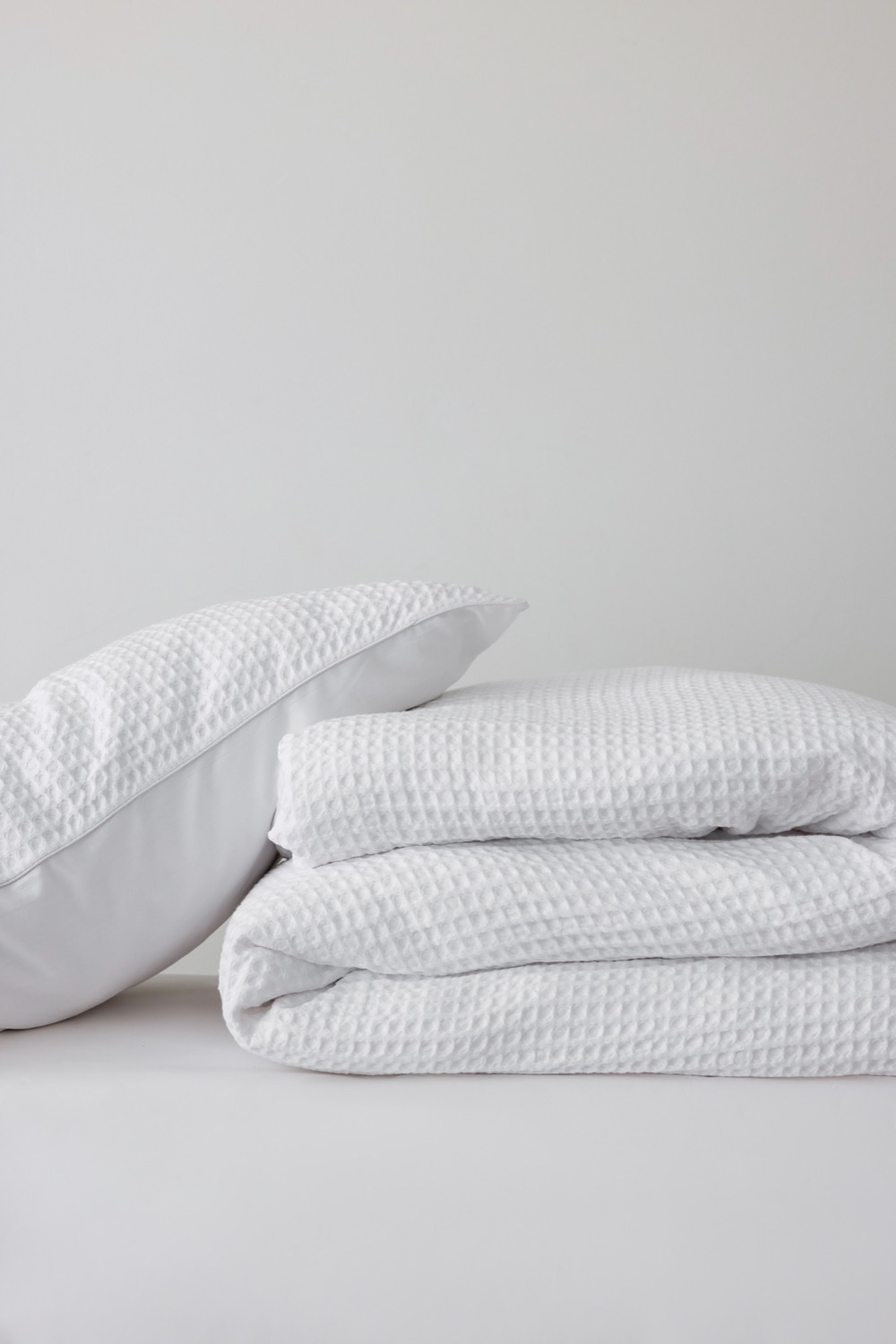
The benefits of linen duvet covers go far beyond good looks. For homeowners who wake up tangled in a shifted duvet, overheated in the middle of the night, or frustrated by bedding that never seems to stay fresh, linen offers a genuinely different experience. At Sierra Dreams, we hear from customers every day who are done compromising between comfort, durability, and ease of care, and linen duvet covers consistently solve all three problems at once.
In this guide, we break down exactly why linen has become the fabric of choice for discerning sleepers, backed by fiber science, real-world durability data, and practical care advice you can use tonight.
TL;DR, The Bottom Line
The benefits of linen duvet covers include natural temperature regulation, superior moisture-wicking (absorbing up to 20% of its weight in moisture without feeling damp), hypoallergenic and antibacterial properties, and exceptional durability that softens with every wash. Linen keeps hot sleepers cool in summer and warm in winter, resists dust mites, and requires minimal upkeep, making it one of the smartest long-term investments in your bedroom.
What Are the Benefits of Linen Duvet Covers?
The core benefits of linen duvet covers stem directly from the flax plant fiber itself. Unlike cotton or polyester-blend fabrics, flax fibers are naturally hollow, thick, and long, which creates a fabric structure that breathes, wicks moisture, and resists bacterial growth without any chemical treatment. This is why linen has been used in bedding for thousands of years, long before synthetic alternatives existed.
For Sierra Dreams customers specifically, the benefits of linen duvet covers matter most when paired with a duvet cover that also solves mechanical problems like shifting and bunching. A breathable, moisture-wicking fabric only performs well if it stays properly positioned over your insert night after night, which is why fabric quality and cover design should be considered together.
Quick Facts
- Moisture absorption: Linen can absorb up to 20% of its own weight in moisture without feeling damp
- Thermal range: Naturally cooling in summer, insulating in winter
- Durability: Flax fibers are among the strongest natural textile fibers, often outlasting cotton by years
- Softening: Gets noticeably softer with each wash rather than degrading
- Allergy profile: Naturally resistant to dust mites, bacteria, and fungal growth
How Linen Duvet Covers Regulate Temperature Year-Round
One of the most cited benefits of linen duvet covers is thermoregulation. The hollow structure of flax fibers allows air to circulate freely through the weave, so heat doesn't build up against the skin the way it can with tightly woven cotton or synthetic fabrics. This is why sleep and textile researchers consistently recommend linen bedding for hot sleepers and warmer climates, while noting it performs equally well in cooler months by trapping a thin layer of insulating air near the body.
In practical terms, this means fewer 2 a.m. wake-ups to kick off the covers, and fewer mornings spent piling on extra blankets in winter. It's a rare textile that genuinely adapts to the season rather than forcing you to swap bedding twice a year.
Yes. The benefits of linen duvet covers are especially pronounced for hot sleepers because the fabric's breathable, hollow fiber structure promotes airflow and prevents heat from getting trapped against the skin, unlike heavier synthetic or tightly woven cotton fabrics.

Moisture-Wicking: Why Linen Keeps Hot Sleepers Dry
Beyond temperature, one of the most practical benefits of linen duvet covers is moisture management. Flax fibers can absorb roughly 20% of their weight in moisture while still feeling dry to the touch, then release that moisture quickly through evaporation. This is a meaningful advantage over synthetic fabrics, which tend to trap humidity and feel clammy against the skin during a warm night or a fever.
For night sweats, humid climates, or simply a warmer bedroom, this moisture-wicking capacity is one of the most underrated benefits of linen duvet covers. It also has a secondary effect: because linen dries so quickly, it's less hospitable to the bacteria and mildew that thrive in persistently damp fabric, keeping your bedding fresher between washes.
Hypoallergenic Benefits of Linen Duvet Covers for Sensitive Sleepers
For allergy-prone households, the hypoallergenic benefits of linen duvet covers are often the deciding factor. Linen is naturally resistant to dust mites, one of the most common household allergens, and its antibacterial, antiseptic fiber structure means bacteria and fungi struggle to establish themselves on the fabric surface. This makes linen a frequently recommended choice for people with sensitive skin, eczema, or respiratory allergies.
Linen is also naturally antistatic, meaning it attracts less dust and lint than synthetic fabrics, a small detail that adds up to a noticeably cleaner sleep surface over time, especially for households with pets.
Generally, yes. While both are natural fibers, linen's tighter fiber structure and lower moisture retention make it more resistant to dust mites and bacterial growth than most cotton fabrics, which is why the hypoallergenic benefits of linen duvet covers are frequently highlighted for allergy-sensitive sleepers.
Durability and Low Maintenance: The Long-Term Value of Linen
Among the most compelling benefits of linen duvet covers is their sheer longevity. Flax fibers are among the strongest natural plant fibers used in textiles, and linen bedding is widely reported to withstand repeated washing far better than comparable cotton products, often becoming softer and more comfortable with age rather than thinning out or pilling.
Linen's naturally textured, slightly rumpled finish also means you can skip the iron entirely; the relaxed, lived-in look is part of its aesthetic appeal rather than a flaw to correct. For busy households, this low-maintenance quality is one of the more practical, everyday benefits of linen duvet covers that's easy to overlook until you've lived with it.

Linen vs. Cotton Duvet Covers: A Side-by-Side Comparison
To put the benefits of linen duvet covers in context, it helps to compare linen directly against traditional cotton, still the most common duvet cover fabric on the market.
| Attribute | Linen Duvet Covers | Cotton Duvet Covers |
|---|---|---|
| Breathability | High, hollow fibers promote airflow | Moderate, depends on weave and thread count |
| Moisture-wicking | Excellent, absorbs up to 20% of weight without feeling damp | Good, but retains more moisture and dries slower |
| Durability | Very high, strengthens and softens with washing | Moderate, can thin and pill over time |
| Hypoallergenic properties | Naturally resistant to dust mites and bacteria | Generally hypoallergenic, but less resistant to microbial growth |
| Maintenance | Low, wrinkle texture is part of the look | Moderate, often requires ironing for a crisp look |
| Initial feel | Slightly textured, softens quickly | Immediately soft, especially at higher thread counts |
This comparison highlights why the benefits of linen duvet covers are especially appealing to sleepers who prioritize long-term performance and low upkeep over an initial, immediately silky feel.
How to Choose and Care for Your Linen Duvet Cover
Getting the full benefits of linen duvet covers depends on selecting the right weight, weave, and care routine. Follow these steps to make the most of your investment.
- Choose the right weight (GSM): Lighter linen (around 120-150 GSM) suits warm climates, while heavier linen (170-200+ GSM) offers more warmth and structure for cooler bedrooms.
- Look for stonewashed or enzyme-washed finishes: These pre-softening processes reduce initial stiffness so the fabric feels comfortable from the first night.
- Wash in cool or warm water: Avoid hot water, which can weaken flax fibers over time and cause excessive shrinkage.
- Skip the fabric softener: Linen softens naturally through washing and use; fabric softener can coat the fibers and reduce breathability.
- Air dry or tumble dry on low: High heat is the biggest threat to linen's longevity; low, gentle drying preserves both softness and strength.
- Embrace the wrinkles, or don't: If you prefer a smoother finish, a quick steam or low-heat iron while slightly damp works well without stripping the fabric's natural texture.

Do the Benefits of Linen Duvet Covers Outweigh the Higher Price?
Linen duvet covers typically cost more upfront than cotton or polyester-blend alternatives, which raises a fair question: is the investment worth it? When you factor in the extended lifespan, reduced need for seasonal bedding swaps, and lower maintenance costs (no ironing, fewer replacements), the benefits of linen duvet covers often translate into better long-term value per year of use, even if the initial price tag is higher.


At Sierra Dreams, we also design our linen covers to solve a problem fabric alone can't fix: shifting and bunching overnight. Pairing premium linen with a secure, stay-put closure system means you get the breathability and durability of linen without waking up to a duvet that's slid halfway off the bed. You can explore our full collection at Sierra Dreams to see how thoughtful design and premium natural fabric come together.
With proper care, linen duvet covers commonly last significantly longer than standard cotton covers because flax fibers are stronger and more resistant to the wear and pilling that gradually weaken cotton over repeated washing cycles.
Who Benefits Most From Switching to Linen Duvet Covers?
While almost any household can enjoy the benefits of linen duvet covers, certain sleepers see the most dramatic improvement:
- Hot sleepers and night sweaters, who benefit from linen's breathability and moisture-wicking properties.
- Allergy and sensitive-skin sufferers, thanks to linen's natural resistance to dust mites and bacteria.
- Busy households that want low-maintenance bedding that doesn't require ironing or frequent replacement.
- Eco-conscious buyers, since flax requires fewer pesticides and less water than conventional cotton to cultivate.
- Anyone frustrated by shifting duvets, who will get the most value when linen is paired with a well-engineered, secure duvet cover design like those offered through Sierra Dreams.
If you recognize yourself in more than one of these categories, the benefits of linen duvet covers are likely to have an outsized, noticeable impact on your nightly comfort.
Frequently Asked Questions
What are the main benefits of linen duvet covers?
The main benefits of linen duvet covers are natural temperature regulation, strong moisture-wicking ability, hypoallergenic and antibacterial properties, and long-term durability that improves with washing rather than degrading.
Are linen duvet covers worth the extra cost?
For most sleepers, yes. While linen typically costs more upfront than cotton, its durability, breathability, and low-maintenance care often make it more cost-effective over the life of the product, especially for hot sleepers or allergy-prone households.
Do linen duvet covers keep you cool in summer?
Yes. Linen's hollow flax fibers promote airflow and moisture evaporation, which is why the cooling benefits of linen duvet covers are frequently recommended for hot sleepers and warm climates.
Are linen duvet covers hypoallergenic?
Linen is naturally resistant to dust mites, bacteria, and fungal growth, making it a commonly recommended hypoallergenic option for people with allergies, sensitive skin, or respiratory sensitivities.
How often should you wash a linen duvet cover?
Most experts recommend washing a linen duvet cover every one to two weeks in cool or warm water, using a gentle cycle and avoiding fabric softener to preserve its natural texture and breathability.
Final Thoughts on the Benefits of Linen Duvet Covers
From temperature regulation and moisture-wicking to hypoallergenic protection and remarkable durability, the benefits of linen duvet covers make a compelling case for upgrading your bedroom setup. It's a fabric that rewards patience, softening and improving with every wash rather than wearing thin, while solving many of the everyday frustrations that come with lower-quality bedding.
If you're ready to experience these benefits firsthand, along with a duvet cover designed to stay perfectly in place night after night, visit Sierra Dreams to explore our premium linen duvet cover collection and discover bedding built for real, restful sleep.