Hotel Wellness Trends Cold Therapy: What's Changing
August 5, 2026 · 13 min read
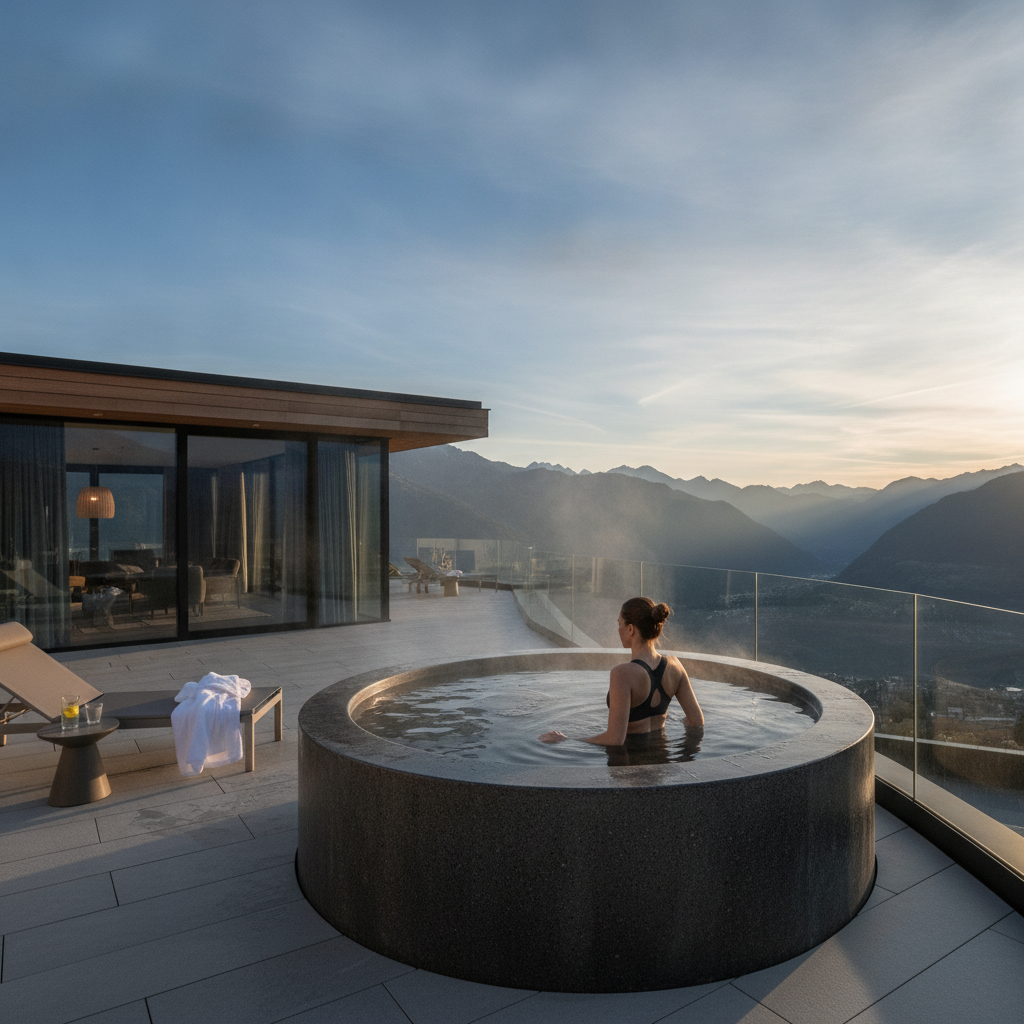
Hotel wellness trends cold therapy is no longer a story about a single ice tub tucked into a spa corner. Across the hospitality industry, cold immersion is being rebuilt as core infrastructure — woven into hydrothermal circuits, communal bathing spaces, and recovery systems that guests now expect at wellness-forward properties. For General Managers, Spa Directors, and owners trying to plan capital budgets for 2026 and beyond, understanding this shift matters more than chasing the coldest water temperature.
TL;DR — The Bottom Line
Hotel wellness trends cold therapy in 2026 are moving away from isolated, extreme cold plunges toward integrated hydrothermal circuits that pair cold rooms, snow showers, and Kneipp-style walking pools with sauna and steam. The Global Wellness Institute reports guests are spending half-days or longer in these communal thermal environments, and large-format venues like Bathhouse's 32,000-square-foot Brooklyn location are proving the model can scale profitably with accessible pricing. For hotels, the opportunity is treating cold therapy as permanent wellness infrastructure rather than a seasonal spa add-on.
Quick Facts
- Category shift: Cold therapy is moving from extreme ice-bath novelty toward gentler, repeatable cooling formats
- Dwell time: Guests in urban hydrothermal venues are spending half-days or longer in communal circuits
- Scale proof point: Bathhouse's Brooklyn location opened at 32,000 square feet with day passes starting at $29
- Design direction: Contrast therapy circuits pairing sauna, steam, and cold immersion are replacing standalone cold tubs
- Market framing: Industry voices increasingly describe cold therapy as "as standard as having a gym or pool"
Hotel Wellness Trends Cold Therapy: From Amenity to Infrastructure
For years, cold plunges arrived at hotels as an afterthought — a single tub added to an existing spa, marketed as a curiosity for athletes and biohackers. That era is ending. The dominant pattern in hotel wellness trends cold therapy today is integration: cold immersion designed alongside heat, steam, and rest zones as one continuous guest journey rather than a stand-alone treatment.
This matters strategically because infrastructure-level thinking changes how a property budgets, staffs, and markets the experience. A single cold tub is a line item. A hydrothermal circuit is a positioning statement. Properties that treat cold therapy as permanent wellness infrastructure are seeing it anchor broader spa revenue, longer guest stays, and stronger differentiation in a crowded luxury and lifestyle hotel market.
The Global Wellness Institute's April 2026 hydrothermal trends report frames this directly: the category has matured past ultra-cold immersion as the headline feature, with operators now designing a wider spectrum of cooling experiences into broader thermal journeys.1 That's a meaningful signal for anyone evaluating hotel wellness trends cold therapy investments, because it suggests the winning model isn't the coldest water — it's the most coherent experience.
Why Gentler Cooling Formats Are Replacing the "Ice Bath Backlash"
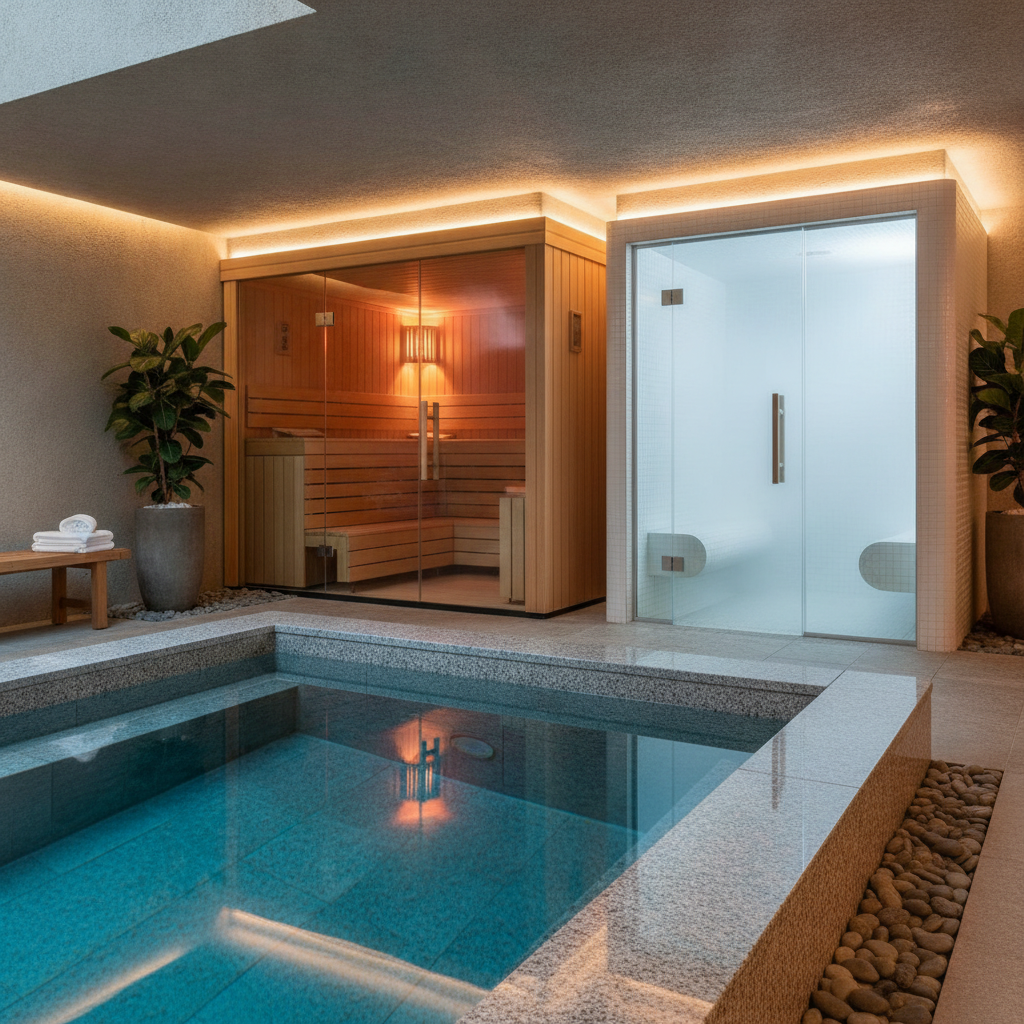
One of the more surprising developments inside hotel wellness trends cold therapy is a pullback from extreme, prolonged ice immersion in favor of shorter, more tolerable cooling exposure. Cold rooms, snow showers, and Kneipp-style walking pools are gaining ground because they lower the intimidation factor for first-time guests while still delivering the physiological benefits associated with cold exposure.
This is a deliberate design response to what the industry has started calling "ice bath backlash" — the recognition that a sub-40-degree plunge tub, however popular on social media, excludes a large share of hotel guests who simply won't try it. Gentler formats widen the addressable audience considerably.
Answer: No. Current hotel wellness trends cold therapy data shows operators favoring a spectrum of cooling intensities — cold rooms, snow showers, and moderate-temperature walking pools — alongside or instead of ultra-cold single-degree tubs, specifically to make the experience accessible to a broader range of guests.
For Spa & Wellness Directors, this means program design should offer graduated entry points: a cool-down shower or walking pool for hesitant guests, a moderate plunge for regular wellness travelers, and an optional deeper-cold option for enthusiasts. That tiered approach mirrors how many properties already structure sauna heat levels, and it applies the same logic to the cold side of the circuit.
Cold Therapy as a Social, "Third Place" Experience
Perhaps the most consequential shift inside hotel wellness trends cold therapy is repositioning cold immersion as communal rather than solitary. Historically, cold plunges were framed as private, almost clinical recovery tools for athletes. The 2026 pattern is different: hotels and standalone wellness venues alike are building shared bathing circuits designed for conversation, slow pacing, and social lingering — a genuine "third place" between home and work.
This is not a minor branding tweak. It changes the revenue math. The Global Wellness Institute notes that guests in these communal hydrothermal settings are spending half-days or longer inside the space, which extends food and beverage opportunities, retail spend, and membership potential far beyond what a 20-minute individual treatment slot could generate.1
A useful proof point outside the hotel sector: Bathhouse opened a 32,000-square-foot communal bathing venue in Brooklyn in May 2026, with day passes starting at just $29.3 That scale and price point demonstrate consumer appetite for large-format, accessible hydrothermal experiences — a signal hotel operators should read carefully when sizing their own wellness footprint and pricing tiers.
The Market Data Behind Hotel Wellness Trends Cold Therapy
Numbers help translate a design trend into a business case. Several data points stand out for hotel decision-makers evaluating whether — and how much — to invest in cold therapy infrastructure.
| Signal | What the data shows | Why it matters for hotels |
|---|---|---|
| Hydrothermal dwell time | Guests spend half-days or longer in communal thermal circuits1 | Longer stays increase ancillary spend on food, beverage, and retail |
| Large-format venue scale | 32,000-sq-ft Bathhouse location, day passes from $293 | Shows accessible pricing can still support premium real estate investment |
| Category framing | Cold therapy described as "standard" amenity, not novelty2 | Guests may soon expect cold therapy the way they expect a pool or fitness center |
| Modality breadth | Shift toward cold rooms, snow showers, and gentler formats1 | Lower barrier to entry expands guest participation rates |
Taken together, these figures support a straightforward conclusion: hotel wellness trends cold therapy are trending toward broader adoption and longer guest engagement, not a fading fad. That's a materially different planning assumption than treating cold plunges as a temporary marketing hook.
Answer: The data suggests otherwise. Industry trend reporting and large-scale venue openings both point to cold therapy becoming embedded, expected wellness infrastructure rather than a passing trend, with operators building recovery zones from the ground up instead of retrofitting them as an afterthought.
How the Competitive Landscape Is Shaping Hotel Cold Therapy Programs
Understanding who else is building in this space helps hotel operators calibrate their own positioning. The current market splits roughly into two camps.
Equipment-centric cold plunge brands — companies focused primarily on manufacturing cold tubs and pods — compete on hardware quality, aesthetics, and brand recognition. Some emphasize luxury craftsmanship and boutique design appeal, while others lean into rugged, performance-oriented positioning aimed at sports and rehab markets. These brands are useful for sourcing physical units, but most are still selling a product, not a wellness system.
Spa and hydrothermal design ecosystems — firms and suppliers focused on pool, plumbing, and circuit architecture — are better positioned to help hotels think holistically about how cold therapy fits into a broader guest journey, including sauna pairing, flow design, and recovery-zone layout.
The opening for hotel operators is to avoid choosing purely on hardware specs and instead ask which partner understands hospitality-specific hydrothermal design: guest flow, staffing implications, safety protocols, and how a cold therapy space integrates with existing spa revenue streams. This is precisely where HotelPlunge positions itself — not as a single-product vendor, but as a partner focused on cold therapy as hospitality infrastructure.
Building a Cold Therapy Program That Matches 2026 Guest Expectations
For GMs and Spa Directors weighing next steps, the following framework reflects how leading properties are approaching hotel wellness trends cold therapy planning for 2026 and beyond.
- Audit your existing thermal assets. Identify whether you already have a sauna, steam room, or pool that could anchor a contrast therapy circuit before adding standalone cold equipment.
- Choose a modality spectrum, not a single format. Combine a moderate-temperature option (walking pool or cool shower) with a deeper cold plunge to serve both first-time and experienced wellness guests.
- Design for dwell time, not just treatment slots. Add seating, quiet zones, and space for guests to linger between cold and heat exposure — this is where the communal, social value is created.
- Train staff on guided protocols. Contrast therapy benefits from light guidance on timing and sequencing, which also improves perceived safety for hesitant guests.
- Position it as core infrastructure in marketing. Describe the offering as part of your property's wellness identity, not a limited-time spa promotion.
Common Mistakes Hotels Make With Cold Therapy Trends
Several recurring missteps show up as properties rush to follow hotel wellness trends cold therapy without a clear strategic frame.
- Treating cold plunge as decoration. A single tub with no circuit design, no staff guidance, and no connection to the rest of the spa rarely earns its space allocation back in guest engagement.
- Going too extreme, too fast. Ultra-cold single-digit temperatures intimidate a large share of leisure guests; gentler entry points drive higher participation.
- Ignoring social design. Positioning cold therapy purely as solitary recovery misses the communal, "third place" demand that's driving current adoption.
- Underestimating operational load. Water quality, temperature consistency, and guest safety protocols require real staffing and maintenance planning, not a set-and-forget installation.
Avoiding these mistakes is often less about capital spend and more about design philosophy — which is why properties exploring hotel wellness equipment solutions increasingly ask for guidance on circuit design and guest flow alongside the equipment itself.
Answer: Treating cold plunge installation as a standalone product purchase rather than part of an integrated hydrothermal circuit. Properties that skip circuit design, staff training, and social space planning tend to see lower guest engagement than those that build cold therapy as connected wellness infrastructure.
What This Means for Hotel General Managers and Owners
For decision-makers evaluating capital allocation, the strategic takeaway from current hotel wellness trends cold therapy data is straightforward: the category has moved from experimental to expected at wellness-forward properties. That doesn't mean every hotel needs a 32,000-square-foot bathhouse. It means every wellness-focused property should have a coherent point of view on how cold therapy fits its brand, its spa layout, and its guest profile.
Properties that get ahead of this shift — building flexible, tiered cold therapy experiences now — are better positioned to capture the demand curve GWI and other industry voices are describing, rather than retrofitting under competitive pressure later. HotelPlunge works with hotel teams to translate these broader wellness trends into practical, property-specific cold therapy solutions that fit real budgets and real footprints. Learn more at HotelPlunge.
Frequently Asked Questions About Hotel Wellness Trends Cold Therapy
What are the biggest hotel wellness trends in cold therapy for 2026?
The leading trends are integrated hydrothermal circuits pairing cold plunges with sauna and steam, gentler cooling formats like cold rooms and snow showers, communal social bathing design, and treating cold therapy as permanent wellness infrastructure rather than a seasonal add-on.
Is cold plunge still relevant, or has the trend peaked?
Cold plunge remains highly relevant, but the format is evolving. Rather than fading, cold therapy is expanding into a broader spectrum of cooling modalities and being adopted at larger scale, including large-format communal venues, suggesting sustained rather than peaking demand.
Do hotels need extreme cold temperatures for guests to see benefits?
No. Current hotel wellness trends cold therapy design favors moderate and tiered cold exposure options, since gentler formats broaden guest participation while still delivering the perceived recovery and wellness benefits guests are seeking.
How does cold therapy fit into a hotel's broader spa revenue strategy?
Cold therapy works best when integrated into a hydrothermal circuit alongside heat and rest spaces, which increases guest dwell time and ancillary spend on food, beverage, and retail rather than functioning as an isolated, short treatment slot.
What's the difference between a cold plunge and a hydrothermal circuit?
A cold plunge is a single cold immersion feature, while a hydrothermal circuit is a designed sequence combining cold immersion, heat (sauna or steam), and rest periods into one continuous guest wellness journey — which is the direction most 2026 hotel wellness programs are heading.
Conclusion: Positioning Your Property for the Next Phase of Cold Therapy
The clearest signal across every data point in this article is that hotel wellness trends cold therapy are consolidating around integration, accessibility, and social design rather than extremity. Properties that treat cold immersion as one component of a larger hydrothermal system — rather than an isolated novelty tub — are the ones positioned to capture rising guest demand, longer dwell times, and stronger differentiation in a competitive wellness travel market.
If your property is evaluating how to translate these hotel wellness trends cold therapy insights into a real program, HotelPlunge can help you plan cold therapy infrastructure that fits your spa layout, guest profile, and budget. Visit HotelPlunge to start the conversation.
Sources: 1. Global Wellness Institute, "2026 Hydrothermal Trends Report," https://globalwellnessinstitute.org 2. Industry hospitality wellness commentary, 2026 https://globalwellnessinstitute.org 3. Bathhouse, Brooklyn location opening coverage, 2026 https://bathhouse.com