Natural Material Pillows for Allergies: A 2026 Guide
August 5, 2026 · 13 min read
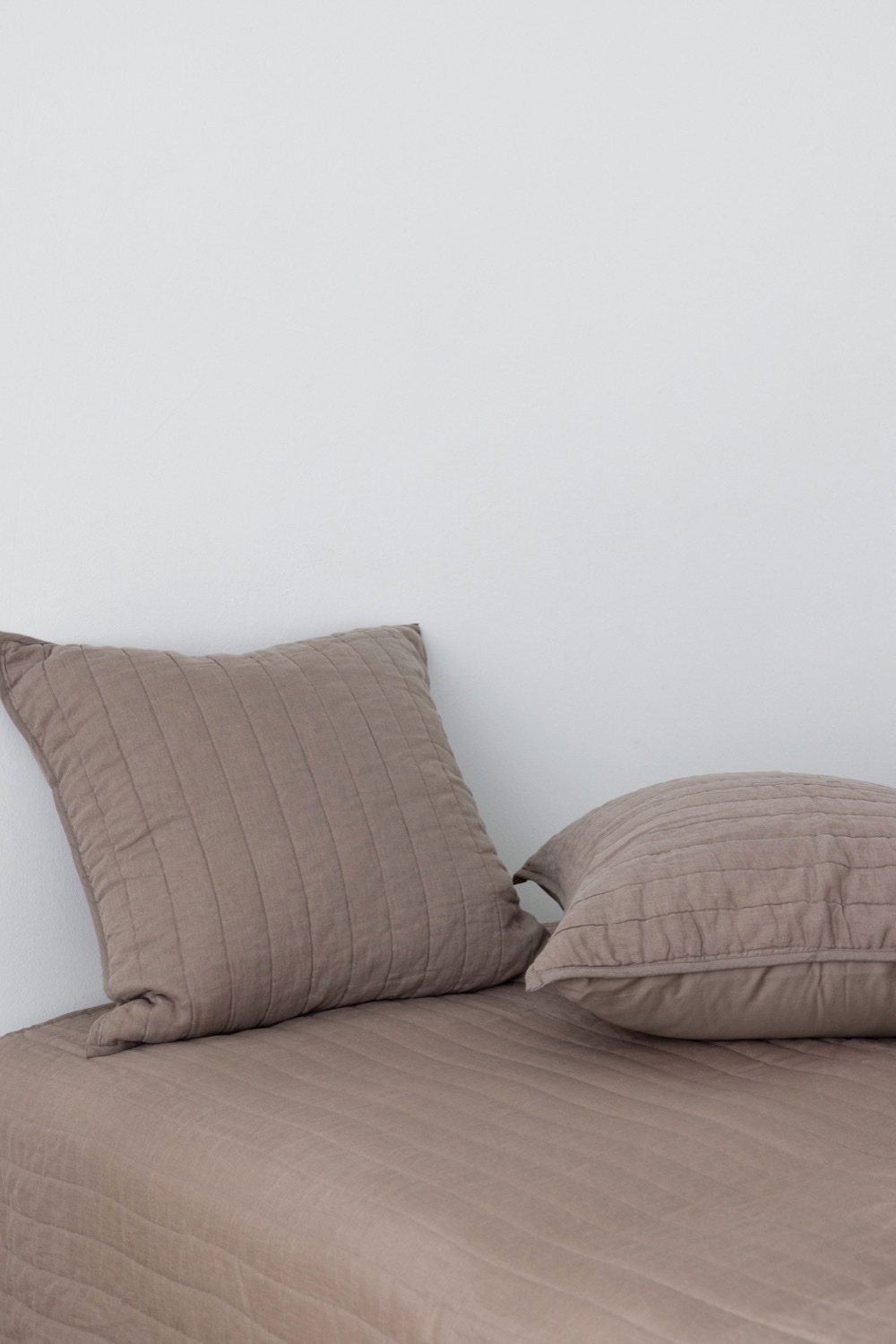
If you wake up sneezing, congested, or itchy-eyed no matter how often you wash your sheets, your pillow might be the culprit. Natural material pillows for allergies, made from fibers like organic wool, kapok, natural latex, and buckwheat hulls, are gaining traction among discerning homeowners who want a bedding solution that actually addresses the root cause of nighttime allergy flare-ups, rather than masking symptoms with sprays or medications. At Sierra Dreams, we believe your pillow should do more than look good; it should support cleaner air, better structure, and a night of sleep that doesn't involve shifting, bunching, or waking up stuffy.
This guide breaks down exactly how natural material pillows for allergies work, which fibers perform best, how they compare to synthetic "hypoallergenic" alternatives, and how to choose and care for one so it keeps performing for years.
TL;DR, The Bottom Line
Natural material pillows for allergies, especially those made from organic wool, wild-harvested kapok, and natural latex, resist dust mites and mold because of their inherent fiber structure, not sprayed-on chemical treatments. Paired with a tightly woven, washable cover, these materials reduce the allergen exposure that triggers nighttime sneezing, congestion, and itchy eyes, while also holding their shape better than synthetic or down alternatives, meaning less shifting and bunching. Look for organic certifications, breathable construction, and proper care routines to maximize both allergy relief and pillow lifespan.
Quick Facts
- Most mite-resistant natural fibers: Organic wool, natural latex, and kapok
- Why wool resists mites: Lanolin content and fiber structure create an inhospitable, low-humidity environment
- Kapok's key benefit: Down-like softness without animal protein allergens
- Natural latex advantage: Naturally antimicrobial and resistant to mildew and dust mites
- Recommended cover type: Tightly woven organic cotton, at least 300 thread count, to block allergen penetration
- Pillow replacement guideline: Every 1–2 years for optimal allergy control, per sleep and allergy health organizations
What Are Natural Material Pillows for Allergies?
Natural material pillows for allergies are pillows filled with fibers that are inherently resistant to the allergens most likely to disrupt sleep: dust mites, mold spores, mildew, and chemical residues from synthetic manufacturing processes. Unlike conventional polyester-fill pillows, which can trap heat and moisture, creating an ideal breeding ground for dust mites, natural fibers like wool, kapok, and latex have structural or chemical properties that make them naturally inhospitable to these microscopic allergens.
It's worth noting that "hypoallergenic" is not a regulated or standardized term. A pillow can be marketed as hypoallergenic without meeting any specific material or construction standard. That's why understanding the actual science behind natural material pillows for allergies matters more than trusting a label alone.
Answer text here: No. Down, for example, is a natural material but can harbor dust mites and bird proteins that trigger allergic reactions. True allergy-friendly performance depends on the specific fiber's structure, wool, kapok, and natural latex are the standout performers, while down requires additional dust-mite-proof covers to be allergy-safe.
How Natural Fibers Fight Dust Mites, Mold, and Allergens
The core allergy benefit of natural material pillows for allergies comes down to moisture control and fiber density. Dust mites thrive in warm, humid environments and feed on shed skin cells. Materials that wick moisture away from the sleep surface and don't retain heat make it difficult for mite populations to establish themselves.
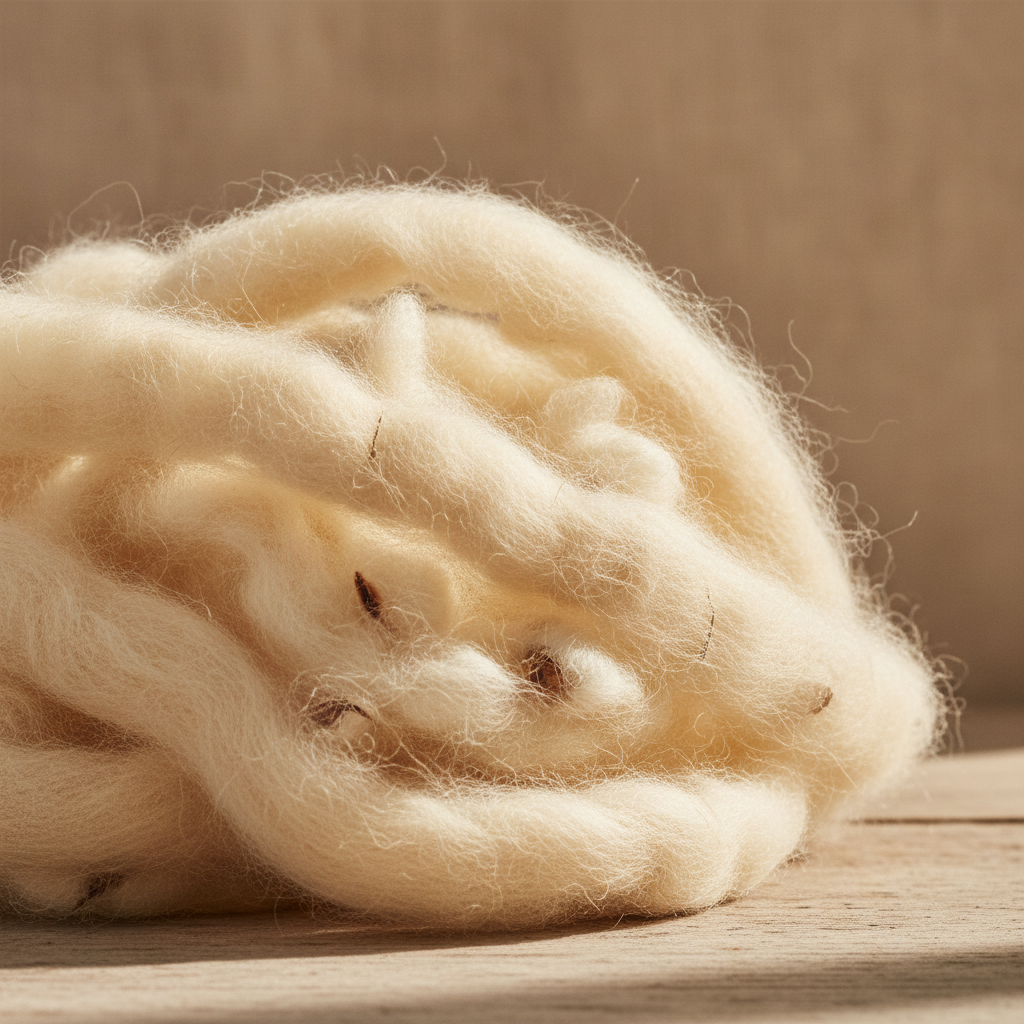
- Organic wool: Contains lanolin, a natural wax that resists moisture absorption, and has a fiber structure that actively regulates humidity below the threshold dust mites need to survive.
- Kapok: A silky, lightweight seed fiber that repels water and lacks the protein sources mites feed on, offering a down-like loft without the allergen risk.
- Natural latex: Naturally antimicrobial with a dense yet breathable cellular structure that leaves fewer pockets for skin flakes and mites to accumulate.
- Buckwheat and millet hulls: Highly breathable and moisture-managing, resisting mold when properly ventilated, though they can be heavier and noisier than other fills.
According to the Asthma and Allergy Foundation of America, dust mite allergens are among the most common indoor triggers for asthma and allergic rhinitis, and reducing dust mite exposure in bedding is one of the most effective interventions for allergy sufferers. This is precisely why natural material pillows for allergies have become a focal point for people managing chronic nighttime symptoms.
Comparing the Best Natural Materials: Wool, Kapok, Latex, and More
Not every natural fiber offers the same allergy protection or sleep performance. Below is a comparison of the most common natural materials used in allergy-friendly pillows.
| Material | Allergy Resistance | Shape Retention | Breathability | Best For |
|---|---|---|---|---|
| Organic Wool | Excellent (dust mite & mold resistant) | Very good | High | Allergy sufferers who run hot |
| Kapok | Excellent (no animal protein) | Good | High | Vegan sleepers, down alternative seekers |
| Natural Latex | Very good (antimicrobial) | Excellent | Moderate-High | Sleepers wanting firm, stable support |
| Buckwheat Hulls | Good (needs ventilation) | Excellent | Very high | Sleepers who want customizable loft |
| Down | Poor unless treated | Poor (bunches easily) | Moderate | Not recommended for allergy sufferers |
For homeowners specifically comparing natural material pillows for allergies, wool and kapok tend to rise to the top of expert recommendations because their mite resistance is built into the fiber itself, rather than relying on sprayed-on treatments that wash out over time.
Natural Material Pillows for Allergies vs. Synthetic "Hypoallergenic" Pillows
Many mass-market brands market polyester or memory foam pillows as "hypoallergenic," but this often refers only to the absence of down feathers, not genuine resistance to dust mites or mold. Synthetic fibers trap heat and moisture, which can actually accelerate dust mite colonization over time, especially in humid climates or poorly ventilated bedrooms.
Natural material pillows for allergies, by contrast, are chosen specifically for their inherent resistance to the conditions mites and mold need to thrive. This distinction matters most for people with diagnosed dust mite allergies, asthma, or eczema, where consistent overnight exposure can compound symptoms.
Answer text here: Generally, yes, natural latex is naturally antimicrobial and resistant to mold and dust mites, while memory foam (a petroleum-based synthetic) can retain heat and moisture, creating conditions that favor mite growth. The exception is for individuals with a diagnosed latex allergy, who should avoid natural latex pillows entirely and opt for wool or kapok instead.

How to Choose and Care for Your Natural Material Pillow
Selecting the right natural material pillows for allergies involves more than picking a fiber, construction, cover fabric, and maintenance routine all play a role in long-term allergy control.
What to look for when shopping
- Check for certifications. Look for GOTS (Global Organic Textile Standard) certified wool or cotton, and OEKO-TEX certified latex, to confirm the materials are free from harsh chemical processing.
- Prioritize a tightly woven cover. A dense, high-thread-count organic cotton shell (ideally 300+ thread count) physically blocks allergens from penetrating to the fill.
- Confirm washability. A removable, machine-washable cover makes it far easier to maintain a low-allergen sleep environment.
- Match loft to your sleep position. Side sleepers generally need firmer, higher-loft support (latex or densely packed wool), while back and stomach sleepers often prefer softer kapok blends.
- Avoid loose, unquilted fills that shift or clump, a well-constructed natural pillow should hold its shape through the night, directly addressing the shifting and bunching frustrations many sleepers experience with lower-quality fills.
Caring for natural material pillows
- Air out pillows outdoors (in shade) every few months to release trapped moisture and refresh natural fibers.
- Wash removable covers every one to two weeks in hot water to eliminate dust mite allergens.
- Avoid compressing wool or kapok pillows for long periods, as this can reduce loft and breathability over time.
- Replace pillows every one to two years, or sooner if you notice reduced loft, odor, or persistent allergy symptoms, per general sleep health guidance.
Answer text here: Most sleep health experts recommend replacing pillows every one to two years, even natural fiber ones, since allergen buildup (dead skin cells, oils, and moisture) accumulates over time regardless of material. Natural material pillows for allergies can often last longer than synthetic ones with proper airing and washable covers, but periodic replacement is still the safest practice for allergy sufferers.
Common Sleep Frustrations Solved by Natural Material Pillows for Allergies
Beyond allergy relief, one of the biggest reasons discerning homeowners are switching to natural material pillows for allergies is structural performance. Loose synthetic fills and traditional down are notorious for shifting, clumping, and going flat mid-sleep, forcing constant repositioning and disrupted rest.


Densely carded wool, natural latex cores, and well-quilted kapok blends solve this by maintaining consistent loft and support throughout the night. This isn't just a comfort upgrade, it directly supports the allergy benefits described above, since a pillow that holds its shape also maintains even airflow and moisture distribution, rather than creating dense, humid pockets where mites can concentrate.
"A pillow that resists shifting also resists the humid micro-pockets where dust mites thrive, structure and allergy control go hand in hand."
At Sierra Dreams, our approach to natural material pillows for allergies focuses on this dual benefit: choosing fibers and constructions that are both allergy-conscious and engineered to eliminate the shifting and bunching that plague lower-quality bedding. Explore our full collection at Sierra Dreams to find a pillow built around your sleep position and allergy needs.
Frequently Asked Questions
What is the best natural material pillow for dust mite allergies?
Organic wool and wild-harvested kapok are widely considered the best natural material pillows for allergies related to dust mites, because their fiber structure naturally resists moisture and doesn't provide the humid, protein-rich environment mites need to survive.
Are natural latex pillows safe for people with allergies?
Yes, for most allergy sufferers. Natural latex is naturally antimicrobial and resistant to mold and dust mites, making it one of the more effective natural material pillows for allergies. The exception is individuals with a diagnosed latex allergy, who should choose wool or kapok instead.
Do down pillows count as natural material pillows for allergies?
Not typically. While down is a natural fiber, it can harbor dust mites and bird proteins that trigger allergic reactions, and it lacks the inherent mite resistance found in wool, kapok, or latex. Down pillows generally require additional allergen-proof covers to be considered allergy-safe.
How do I know if a pillow is genuinely hypoallergenic?
Look beyond marketing labels and check for verified natural materials (organic wool, kapok, or natural latex), third-party certifications like GOTS or OEKO-TEX, and a tightly woven, washable cover. These factors, not the word "hypoallergenic" alone, determine real allergy performance.
Can natural material pillows for allergies also help with neck or shoulder discomfort?
Many natural fibers like wool and latex offer excellent shape retention and adjustable loft, which can support proper spinal alignment. While pain relief depends on individual sleep position and pillow firmness, the structural stability of these materials often reduces the shifting that contributes to overnight discomfort.
Final Thoughts: Making the Switch to Natural Material Pillows for Allergies
Choosing natural material pillows for allergies is one of the most straightforward, evidence-backed upgrades a homeowner can make to improve both sleep quality and indoor air exposure at night. Organic wool, kapok, and natural latex each offer distinct benefits, mite resistance, breathability, structural stability, that synthetic materials and untreated down simply can't match. Combined with a tightly woven organic cotton cover and a consistent care routine, these pillows can meaningfully reduce nighttime allergy symptoms while also solving the frustrating shifting and bunching common with lower-quality fills.
If you're ready to experience the difference that thoughtfully sourced, allergy-conscious materials can make, explore the natural material pillows for allergies available at Sierra Dreams. Our collection is designed for discerning homeowners who refuse to compromise on comfort, structure, or clean, breathable materials, because better sleep starts with what's inside your pillow.