How to Wash a Kapok Pillow Without Ruining the Fill
September 23, 2026 · 13 min read
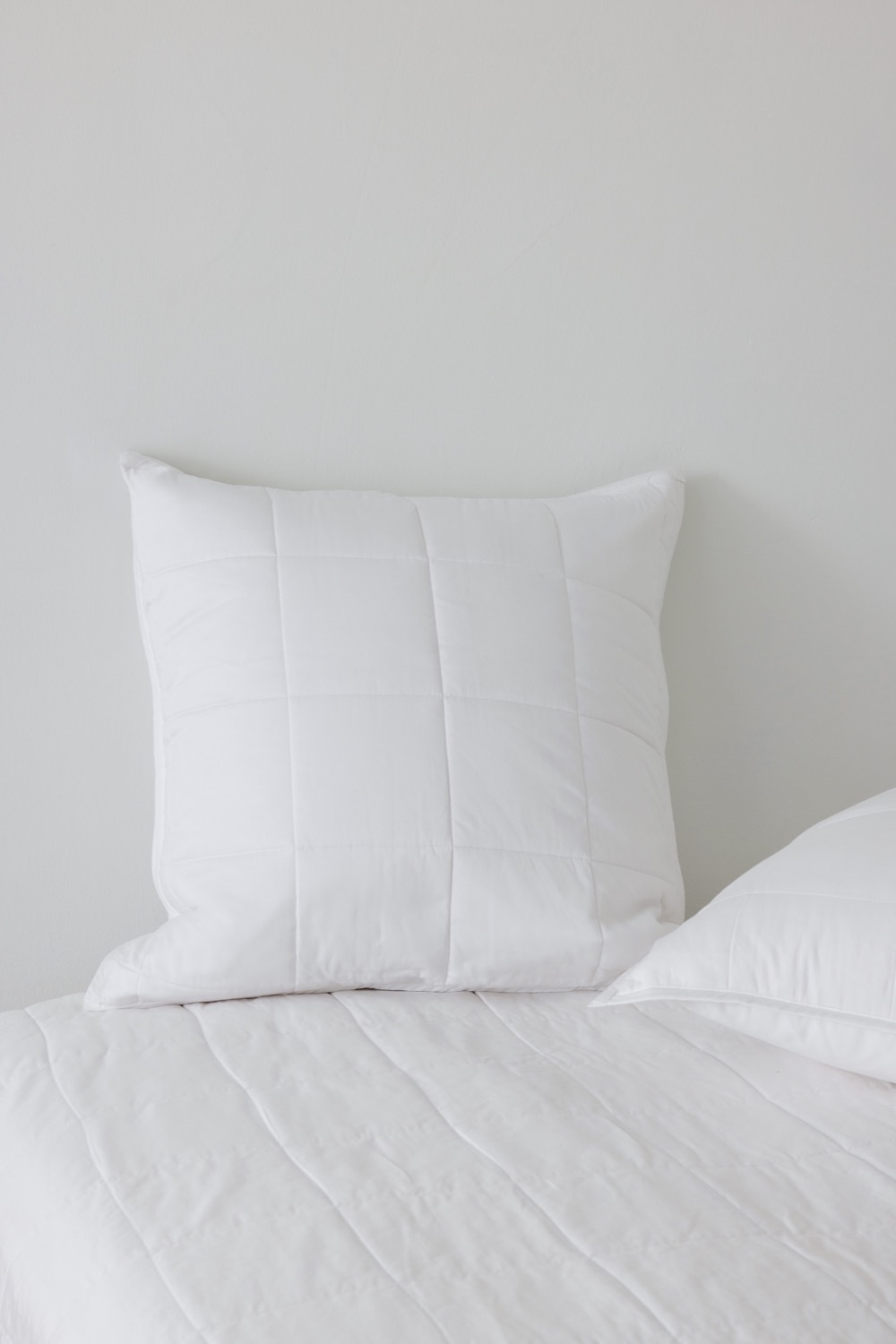
If you've ever wondered how to wash a kapok pillow without leaving it lumpy, damp, or permanently flattened, you are not alone. Kapok, the silky, lightweight seed fiber used in Sierra Dreams' organic pillows, behaves very differently from down, polyester, or memory foam once water gets involved. This guide walks through exactly how to wash a kapok pillow safely, when to avoid washing altogether, and how to keep your pillow performing beautifully for years to come.
TL;DR, The Bottom Line
The safest way to wash a kapok pillow is usually to not wash the filled pillow at all. Instead, remove the kapok fill if the shell unzips, wash only the cotton shell on a gentle cool cycle, and let it dry completely before refilling. For everyday maintenance, use a washable pillow protector and spot-clean stains with a barely damp cloth. Only machine-wash a fully assembled kapok pillow if the manufacturer's care label explicitly says it is safe to do so.
Quick Facts
- Recommended wash temperature: Approximately 40°C / 104°F
- Detergent type: Mild liquid detergent, no bleach, enzymes, or fabric softener
- Drying method: Air-dry or low-heat tumble only if the care label permits
- Average kapok pillow price (market comparison): Roughly $86
- Biggest risk of full washing: Trapped internal moisture causing clumping or mildew
Understanding Kapok Fill Before You Wash a Kapok Pillow
Before you attempt to wash a kapok pillow, it helps to understand what makes this fiber unique. Kapok comes from the seed pods of the ceiba tree, a fast-growing tropical species. The fiber itself is hollow, extremely lightweight, and coated with a natural wax that makes it water-resistant, a trait that helps kapok pods float on water in nature. That same water resistance is what makes laundering kapok filling so tricky indoors.
Unlike down clusters, which trap air in three-dimensional pockets and generally rehydrate and refluff predictably, kapok fibers are straight, slick, and slippery. When wet, they tend to stick together rather than separate, and because the wax coating slows water absorption, the fibers can remain damp at the core long after the outer layer feels dry to the touch. This is precisely why so much of the guidance around how to wash a kapok pillow focuses on avoiding a full soak of the filling whenever possible.
Sierra Dreams pillows pair 100% organic kapok with a 100% organic cotton shell, which is good news for care: the cotton shell is generally far easier and safer to launder than the fiber it contains.

The Safest Way to Wash a Kapok Pillow: Step-by-Step
Most care guidance agrees on one central point: the safest way to wash a kapok pillow is to separate the shell from the filling whenever the design allows it. Here is the process broken into clear steps.
- Check the manufacturer's care label first. Kapok pillows vary by brand, some explicitly prohibit washing the filled pillow, while others permit carefully controlled machine washing. Always defer to the specific instructions for your pillow before applying general advice.
- Remove the kapok filling if the shell has a zipper. Work over a large, dry container or bag so loose fibers do not scatter around the room. It can help to photograph how the fill is distributed before you empty it, so you can replicate the loft afterward.
- Wash the shell separately, with the zipper closed. Use a gentle cycle at approximately 40°C / 104°F with a small amount of mild liquid detergent. Avoid bleach, enzyme-based detergents, optical brighteners, and fabric softener, all of which can degrade natural cotton fibers or leave residues.
- Wash the shell alone, or only with similarly delicate, light-colored items. This reduces abrasion and prevents dye transfer.
- Dry the shell completely before doing anything else. Line-dry when possible, or tumble-dry on low only if the label allows it. The shell must be bone-dry, not just surface-dry, before you refill it.
- Refill and redistribute the kapok by hand. Gently break up any compacted clumps with your fingers, working from the center outward. Avoid pressing or compressing the fiber aggressively, since heavy-handed refilling is itself a common cause of future bunching.
- For isolated marks, spot-clean instead of washing the whole shell. Blot with a barely damp cloth and a small amount of mild soap, then air-dry fully in a well-ventilated space before the pillow goes back into use.
Answer: Only the shell typically needs regular washing. If your pillow does not unzip, it is best to rely on a washable pillow protector and spot-cleaning rather than repeatedly attempting a full wash of the assembled pillow.
Why Full Washing Risks Ruining Kapok Fill
It is worth understanding exactly why so many experts caution against fully submerging a kapok pillow, rather than simply taking the advice on faith. The wax coating that makes kapok naturally water-resistant is the same property that makes the fiber slow to wet evenly and, more importantly, slow to dry evenly. Even when a pillow feels dry on the outside after a wash cycle, moisture can persist deep inside the fill for days.
"Kapok's natural water resistance, which helps the fiber float and insulate in its native environment, is precisely what makes it so difficult to dry evenly once it has been fully saturated indoors."
The specific risks of washing an assembled, filled kapok pillow include:
- Clumping: Wet fibers bind together into dense pockets that are difficult, sometimes impossible, to separate by hand.
- Loss of loft: Uneven drying can permanently reduce the pillow's cushioning and resilience, leaving it flatter than before.
- Shifting and bunching: Compacted fill migrates toward one area, creating thin patches and thick patches within the same pillow.
- Heat damage: Excessive heat or aggressive tumbling can weaken or scorch natural fibers.
- Mildew risk: Any residual internal moisture is a genuine concern, especially in humid climates, since it can lead to odor or microbial growth long before it becomes visible.

Can You Machine Wash a Kapok Pillow? What Manufacturers Say
Not every kapok pillow carries the same instructions, which is why checking the label matters more than following a single universal rule. Some manufacturers explicitly permit washing the fully assembled pillow under controlled conditions, while others limit washing strictly to the shell. The table below summarizes how care guidance can differ between brands, based on publicly available manufacturer instructions.
| Guidance Point | Brand A Approach | Brand B Approach |
|---|---|---|
| Wash temperature | 40°C standard, up to 60°C only when necessary | 40°C recommended, avoids higher heat entirely |
| Spin cycle | Fast spin to remove excess water quickly | Gentle spin, longer drying time expected |
| Dryer balls | Wool dryer balls recommended | Dryer balls and similar objects avoided entirely |
| Drying approach | Immediate drying after spin, medium heat in short intervals | Air-drying strongly preferred over machine drying |
Because guidance genuinely conflicts between manufacturers, the responsible approach to how to wash a kapok pillow is to follow your specific product's label rather than a generic method. If your label allows machine washing the filled pillow, wash one pillow at a time, use a fast spin to remove excess water, begin drying immediately, and check the pillow's center for dampness at regular intervals throughout the drying cycle. Do not place the pillow back on the bed until it is completely dry all the way through, since a damp core is where clumping and odor problems begin.
Answer: Only if the manufacturer's label specifically allows it. When permitted, use low or medium heat in short intervals, pausing to check for damp spots and manually redistribute the filling between cycles rather than running one long continuous dry.
Spot-Cleaning: The Best Alternative to Full Washing
For most day-to-day marks, a coffee spill, a bit of makeup, a small stain, spot-cleaning is a far safer answer to how to wash a kapok pillow than running it through a full wash cycle. Spot-cleaning targets the affected area only, which means the bulk of the kapok filling never gets wet in the first place.
- Blot the stain immediately with a clean, dry cloth to absorb as much liquid as possible before it soaks in.
- Dampen a fresh cloth with cool water and a small amount of mild soap, never soak the cloth or the pillow itself.
- Blot, do not rub, working from the outside of the stain inward to avoid spreading it further.
- Follow with a cloth dampened in plain water to rinse away soap residue.
- Place the pillow in a well-ventilated, sunny spot and allow it to air-dry completely before using it again. Do not cover it with a case until it is fully dry.
Spot-cleaning is also the recommended method for pillows that do not unzip, since there is no way to remove the filling from a sealed shell. In these cases, a washable pillow protector becomes essential, because it acts as the first line of defense between spills and the kapok fiber itself.


Preventing Damage: Long-Term Kapok Pillow Care
The best answer to how to wash a kapok pillow is often to reduce how frequently a full wash is necessary in the first place. A consistent, simple care routine protects loft and prevents the shifting and bunching that many pillow owners associate with natural fills.
- Use a zippered, washable pillow protector underneath the pillowcase to catch oils, sweat, and spills before they reach the kapok fill or even the cotton shell.
- Wash the pillowcase and protector regularly, weekly is a commonly recommended frequency, since most of what soils a pillow never actually touches the fill directly.
- Blot spills immediately rather than letting them penetrate the shell, since dried-in stains are far harder to remove without a fuller wash.
- Air the pillow periodically in a dry, well-ventilated space, away from direct heat sources, to release trapped moisture and refresh the fiber.
- Fluff and gently rotate the pillow by hand every few days to redistribute the fill and reduce localized flattening before it becomes permanent.
Sierra Dreams designs its organic kapok pillows with an organic cotton shell specifically because it is more forgiving to launder than the fill itself, making this preventive routine easier to maintain over the life of the pillow.

Common Mistakes When Washing a Kapok Pillow
Many of the durability problems attributed to kapok pillows actually trace back to washing mistakes rather than the fiber itself. Watch for these common errors:
- Skipping the care label: Assuming all kapok pillows can be treated identically, when manufacturer instructions genuinely differ on temperature, spin speed, and drying method.
- Using hot water: Washing above the recommended 40°C guideline can accelerate fiber breakdown and increase clumping risk.
- Adding bleach or fabric softener: Both can degrade natural fibers and leave residues that trap moisture or irritate skin.
- Returning a damp pillow to the bed: Even a slightly damp core can lead to mildew, odor, and permanent loft loss within days.
- Over-compressing the fill during refilling: Aggressively packing kapok back into a shell can create dense, uneven sections that contribute to future bunching.
- Soaking instead of spot-cleaning: Saturating the entire pillow to treat a small, localized stain is rarely necessary and significantly increases drying difficulty.
Avoiding these mistakes is often more important to the pillow's long-term feel than the exact washing method chosen, which is why understanding how to wash a kapok pillow properly, and how often, matters as much as the mechanics of the wash cycle itself.
Frequently Asked Questions
Can you machine wash a kapok pillow?
It depends on the manufacturer. Some brands permit machine washing a fully assembled kapok pillow on a gentle cycle at around 40°C, followed by careful drying, while others recommend washing only the removable shell. Always check the specific care label before washing the whole pillow.
How often should you wash a kapok pillow?
The filled pillow itself typically does not need frequent washing. Instead, wash the pillowcase and a washable protector weekly, and only wash or spot-clean the pillow shell every few months, or as needed for visible stains or odor.
Why does my kapok pillow feel lumpy after washing?
Lumpiness after washing usually results from uneven drying or aggressive handling while wet. Kapok's naturally water-resistant fibers can clump together when saturated and dry unevenly, especially if the pillow's core remains damp after the outer shell feels dry.
Can you tumble dry a kapok pillow?
Only if the manufacturer's label explicitly allows it. When permitted, use low to medium heat in short intervals, checking frequently for damp spots and redistributing the fill by hand between cycles, rather than running one continuous long dry.
What is the safest way to clean a kapok pillow without washing it fully?
Spot-cleaning is the safest alternative. Blot stains with a barely damp cloth and a small amount of mild soap, avoid rubbing or soaking, and allow the pillow to air-dry completely in a well-ventilated area before use.
Final Thoughts on Washing a Kapok Pillow
Learning how to wash a kapok pillow correctly comes down to one guiding principle: protect the fill from unnecessary saturation. Whenever possible, remove and wash only the shell, rely on spot-cleaning for minor marks, and lean on a washable pillow protector to reduce how often any washing is needed at all. When a full wash of the assembled pillow is unavoidable, follow the manufacturer's exact temperature, spin, and drying guidance rather than general advice, and never return the pillow to use until it is completely dry at its core.
At Sierra Dreams, our organic kapok pillows are built with a washable organic cotton shell specifically so that care stays simple, without sacrificing the soft, down-like loft that makes kapok such a compelling natural alternative. If you are ready to experience a pillow that is as easy to care for as it is comfortable to sleep on, explore the full Sierra Dreams collection and find the loft that fits your sleep style.