Tampa Shopping Areas: How They Shape Home Values Today
August 27, 2026 · 13 min read
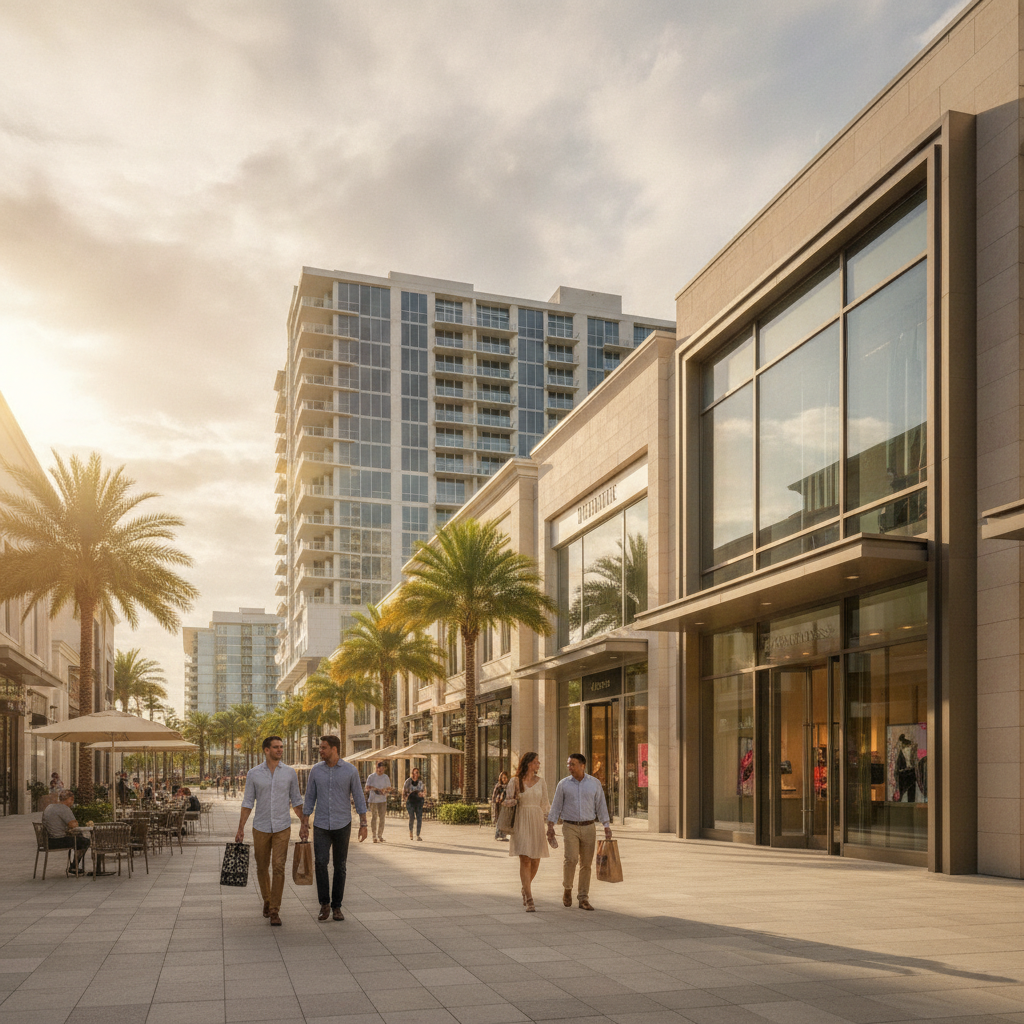
Tampa shopping areas do far more than give residents somewhere to spend a Saturday afternoon — they shape neighborhood identity, walkability, and even home values across the Tampa Bay region. For homebuyers deciding where to put down roots and for sellers positioning a property for top dollar, understanding how proximity to Tampa's major retail districts affects real estate is essential. This guide breaks down the city's most influential Tampa shopping areas — from International Plaza in Westshore to the boutique streets of Hyde Park Village to the fast-growing Water Street district downtown — and explains what each one means for buyers, sellers, and long-term property value.
TL;DR — The Bottom Line
Tampa's major shopping areas — International Plaza & Bay Street, Hyde Park Village, Water Street Tampa, and several emerging districts — are strong indicators of neighborhood desirability, walkability, and resale value. Homes near well-established Tampa shopping areas typically command a premium and attract relocating professionals, while emerging retail corridors like Water Street signal early opportunity for buyers who want in before prices rise further.
Quick Facts
- Top upscale shopping area: International Plaza & Bay Street, Westshore District
- Best walkable lifestyle center: Hyde Park Village (South Tampa)
- Largest active redevelopment: Water Street Tampa, nearly $1 billion in new investment through 2026
- New retail/dining planned downtown: roughly 200,000 additional square feet at Water Street
- Key anchors at International Plaza: Neiman Marcus, Nordstrom, Dillard's, Tiffany & Co., Apple
- Airport proximity advantage: International Plaza sits minutes from Tampa International Airport
What Are Tampa Shopping Areas — And Why They Matter to Real Estate?
When people search for Tampa shopping areas, they're usually thinking about where to eat, browse boutiques, or catch a movie. But for homebuyers and sellers, these districts carry a second, quieter significance: they're leading indicators of neighborhood trajectory. A rising shopping district with new retail and dining investment almost always precedes rising home values in the surrounding zip codes, because retailers and developers study the same demographic and income data that real estate professionals use to identify growth corridors.
Tampa's shopping areas generally fall into three categories: destination malls (large, enclosed or open-air centers with major anchor stores), walkable lifestyle centers (smaller, pedestrian-friendly districts built around boutiques and restaurants), and emerging mixed-use urban districts (large redevelopment projects that combine residential towers, offices, and retail in a single walkable footprint). Each type attracts a different kind of buyer, and knowing the difference helps you evaluate a neighborhood the way an experienced agent does.
Generally, yes. Proximity to well-established Tampa shopping areas with strong anchor tenants and consistent foot traffic tends to correlate with higher walkability scores, more buyer competition, and stronger resale value, particularly for condos and townhomes within a mile of the district.
International Plaza & Bay Street: Westshore's Retail Anchor
International Plaza & Bay Street is widely considered Tampa's premier upscale shopping destination, home to Neiman Marcus, Nordstrom, Dillard's, Tiffany & Co., Louis Vuitton, Gucci, Apple, and a long list of national restaurant brands. It sits at the heart of the Westshore Business District, one of the largest employment centers in the Tampa Bay area, and just minutes from Tampa International Airport.
Nearby WestShore Plaza rounds out the corridor with more accessible, mid-market retailers like Macy's and Dick's Sporting Goods, which means this stretch of Tampa shopping areas serves a wide income range — from luxury shoppers to budget-conscious families — within a few miles of each other.
For real estate, this translates into strong, durable demand. Condos and townhomes near this cluster of Tampa shopping areas appeal heavily to relocating professionals who work in Westshore's office towers, frequent business travelers who value airport proximity, and move-up buyers drawn to the mix of luxury retail and convenient interstate access via I-275. Sellers in this corridor often highlight walkability to Bay Street's restaurants and nightlife as a top selling point in listing descriptions.
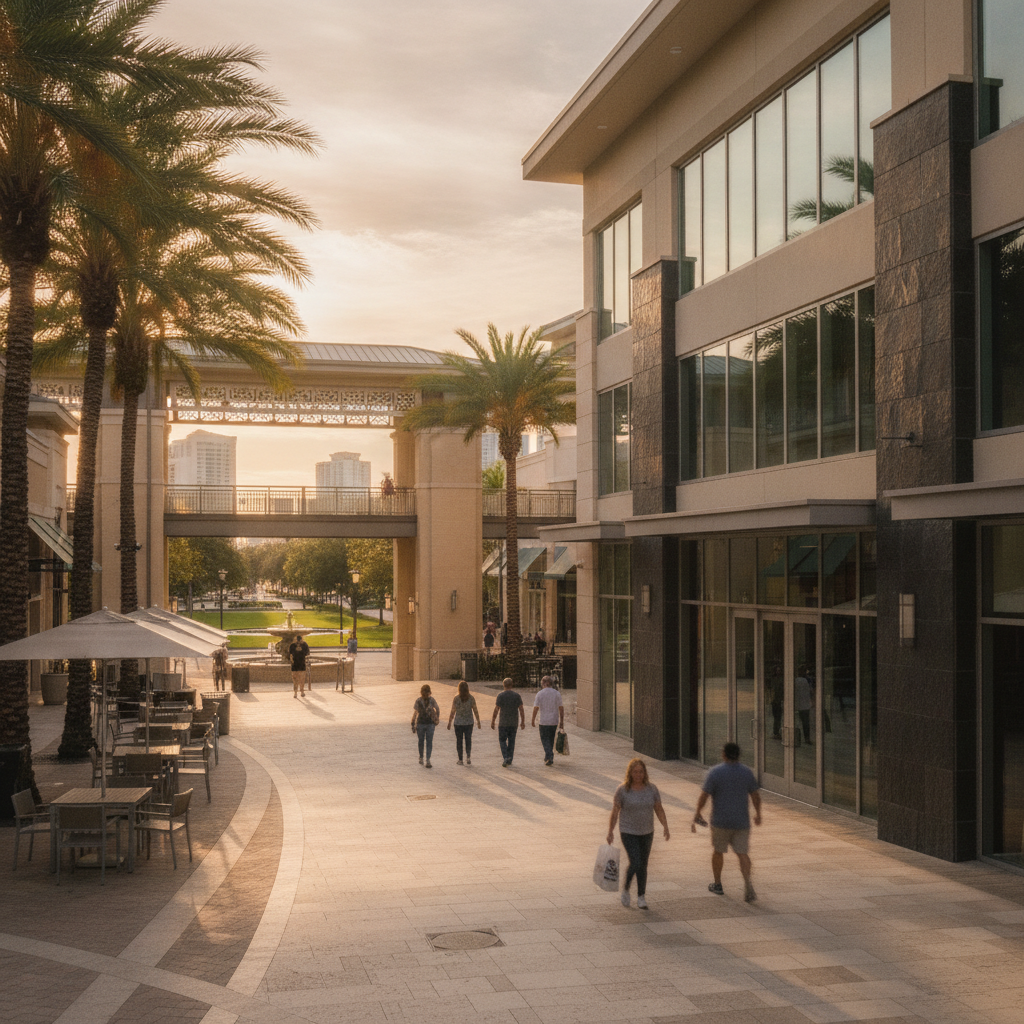
Hyde Park Village: Walkable Boutique Shopping and Lifestyle Real Estate
If Westshore represents Tampa's upscale mall experience, Hyde Park Village represents its walkable, boutique alternative. This outdoor lifestyle center in South Tampa combines national retailers, independent boutiques, coffee shops, and home décor stores with a packed calendar of farmers markets and live music events. It's consistently ranked among the most charming of Tampa's shopping areas for its tree-lined streets and pedestrian-first design.
The residential neighborhoods surrounding Hyde Park Village — including Hyde Park proper, SoHo, and the Bayshore corridor — are among the most desirable and expensive in the entire Tampa Bay market. Buyers relocating from denser urban markets like Chicago, New York, or Washington, D.C. often gravitate toward this pocket specifically because it delivers the walkable, retail-rich lifestyle they're used to, paired with Florida's climate and tax advantages.
For sellers marketing homes in this pocket, proximity to Hyde Park Village's shops and events is a genuine value driver — buyers frequently pay a premium to walk to dinner or weekend farmers markets rather than drive. It's one of the clearest examples in Tampa Bay of how shopping areas directly support resale value.
Downtown Tampa & Water Street: The City's Newest Urban Shopping District
No conversation about Tampa shopping areas is complete without Water Street Tampa, the roughly $3.5 billion master-planned waterfront district anchored by Amalie Arena and downtown's central business core. Unlike traditional malls, Water Street blends residential towers, hotels, offices, restaurants, and retail into a single walkable neighborhood — a model often described as "live-work-play."
Recent announcements point to continued momentum. Developer Strategic Property Partners has introduced plans for a new residential condominium tower expected to be the tallest in the district, a build-to-suit office complex with ground-floor retail and green space, and a mixed-use entertainment destination including a hotel and expanded dining. Combined, these additions represent roughly 200,000 square feet of new retail and dining space and more than 2 million square feet of total new development, with infrastructure work slated for completion around spring 2025 and additional phases continuing through 2026.
For homebuyers, this matters because downtown Tampa's residential inventory — largely high-rise condos and a growing number of townhomes — is directly tied to the success of these Tampa shopping areas. As more retail and dining open at street level, downtown living becomes more self-sufficient, which historically supports stronger price appreciation for nearby units. For investors and sellers, tracking Water Street's retail buildout is one of the more reliable ways to anticipate where downtown condo values are headed next.
| Shopping Area | Character | Nearby Neighborhoods | Best Fit For |
|---|---|---|---|
| International Plaza & Bay Street | Upscale enclosed mall + outdoor dining district | Westshore, Beach Park | Relocating professionals, luxury and mid-market buyers |
| Hyde Park Village | Walkable outdoor lifestyle center | Hyde Park, SoHo, Bayshore | Move-up buyers, urban-lifestyle relocators |
| Water Street Tampa | Master-planned mixed-use urban district | Downtown, Channelside | Condo buyers, young professionals, investors |
| WestShore Plaza | Mid-market mall | Westshore | First-time buyers, budget-conscious families |
Other Notable Tampa Shopping Areas Homebuyers Should Know
Beyond the three headline districts, several other Tampa shopping areas influence where buyers choose to live:
- Channelside Bay Plaza / Channel District: A smaller, entertainment-focused district near the cruise port and Amalie Arena, popular with young professionals seeking downtown-adjacent condos.
- SoHo (South Howard Avenue): A dining- and nightlife-heavy strip just south of Hyde Park, appealing to buyers who want energy and walkability without the higher price tag of Hyde Park proper.
- Tampa Premium Outlets: Located near the Tampa/Wesley Chapel corridor, this outlet center supports strong suburban growth and new-construction demand in surrounding master-planned communities.
- Carrollwood and Citrus Park: Suburban shopping corridors anchored by grocery-anchored plazas and Westfield Citrus Park Mall, popular with families prioritizing schools and larger lots over walkability.
Each of these Tampa shopping areas draws a slightly different buyer profile, which is why an experienced local agent will often ask about your shopping and lifestyle preferences before ever showing a listing.
How Tampa Shopping Areas Influence Home Values and Neighborhood Choice
Retail proximity is one of several factors real estate professionals weigh when evaluating a listing, alongside schools, commute times, and flood zone status. But shopping access carries outsized weight for two groups in particular: relocating professionals who value convenience over yard size, and empty-nesters or young professionals prioritizing walkability.
Homes within walking distance of thriving Tampa shopping areas — meaning districts with low retail vacancy, active leasing, and ongoing investment — tend to hold value better during market slowdowns because demand for that convenience rarely disappears. Conversely, homes near struggling or half-vacant retail centers can see softer demand, since a declining shopping area often signals broader neighborhood challenges.
Water Street Tampa is currently the most active, with close to $1 billion in new development announced for 2024–2026, including a new residential tower, office complex, and expanded entertainment district. International Plaza and Hyde Park Village remain stable, well-established performers with steady tenant demand.
Quotable takeaway: In Tampa Bay, a neighborhood's proximity to a thriving shopping district is often one of the clearest early signals of where home values are headed next.
Choosing a Neighborhood Near Tampa Shopping Areas: Tips for Buyers and Sellers
Whether you're buying your first home or selling a long-held property, here's how to factor Tampa shopping areas into your decision-making:
- Identify your lifestyle priority. Decide whether you want walkable boutique shopping (Hyde Park Village), upscale mall access (International Plaza), or an urban mixed-use experience (Water Street).
- Research the retail vacancy and investment trend. Ask your agent whether the nearby shopping area is expanding (new leases, construction) or contracting (empty storefronts), since this often forecasts neighborhood momentum.
- Weigh commute against convenience. Homes closest to major Tampa shopping areas often trade some square footage or yard space for walkability — decide which trade-off fits your household.
- Check flood zone and insurance costs. Several of Tampa's most desirable shopping-adjacent neighborhoods, including downtown and parts of South Tampa, carry flood zone considerations that affect insurance premiums.
- Compare resale patterns. Ask for recent sales data on homes within a mile of the shopping district you're considering to see how retail proximity has historically affected pricing and days on market.
Working with a local expert who understands both the real estate fundamentals and the retail landscape can help you avoid overpaying for perceived convenience or underestimating a neighborhood's growth potential. If you're comparing neighborhoods near Tampa's top shopping areas, the team at Hollister Real Estate can walk you through current inventory, pricing trends, and which districts fit your goals.
Frequently Asked Questions
What are the best Tampa shopping areas for homebuyers to live near?
International Plaza & Bay Street (Westshore), Hyde Park Village (South Tampa), and Water Street Tampa (downtown) are consistently the most desirable Tampa shopping areas for homebuyers, each offering a different mix of luxury retail, boutique lifestyle shopping, or urban mixed-use living.
Do properties near Tampa shopping areas cost more?
In most cases, yes. Homes and condos within walking distance of established Tampa shopping areas like Hyde Park Village or International Plaza typically carry a price premium compared to similar properties farther away, driven by walkability and lifestyle demand.
Is Water Street Tampa considered one of the major Tampa shopping areas?
Yes. Water Street Tampa has rapidly become one of the region's most significant shopping and mixed-use districts, with nearly $1 billion in new retail, residential, and entertainment investment announced through 2026.
Which Tampa shopping areas are best for families versus young professionals?
Suburban shopping corridors like Carrollwood, Citrus Park, and the Wesley Chapel outlet area tend to suit families prioritizing schools and space, while Water Street, Channelside, and Hyde Park Village appeal more to young professionals and downsizers seeking walkability.
How do I find homes for sale near specific Tampa shopping areas?
The most efficient approach is working with a local agent who can filter listings by proximity to specific Tampa shopping areas, walkability scores, and flood zone data, rather than relying on generic map searches alone.
Final Thoughts on Tampa Shopping Areas and Your Real Estate Search
Tampa's shopping areas are more than convenient places to run errands — they're a genuine barometer of neighborhood momentum, walkability, and long-term property value. Whether you're drawn to the upscale energy of International Plaza, the boutique charm of Hyde Park Village, or the rapidly evolving skyline around Water Street Tampa, understanding these districts gives you a real advantage in the Tampa Bay housing market.
If you're buying, selling, or relocating and want a clearer picture of how Tampa shopping areas connect to specific neighborhoods, price ranges, and inventory, reach out to Hollister Real Estate for a personalized consultation grounded in local, up-to-date market knowledge.