Tampa Bay Short Sale vs Foreclosure Homes Explained
May 18, 2026 · 13 min read
TL;DR — The Bottom Line
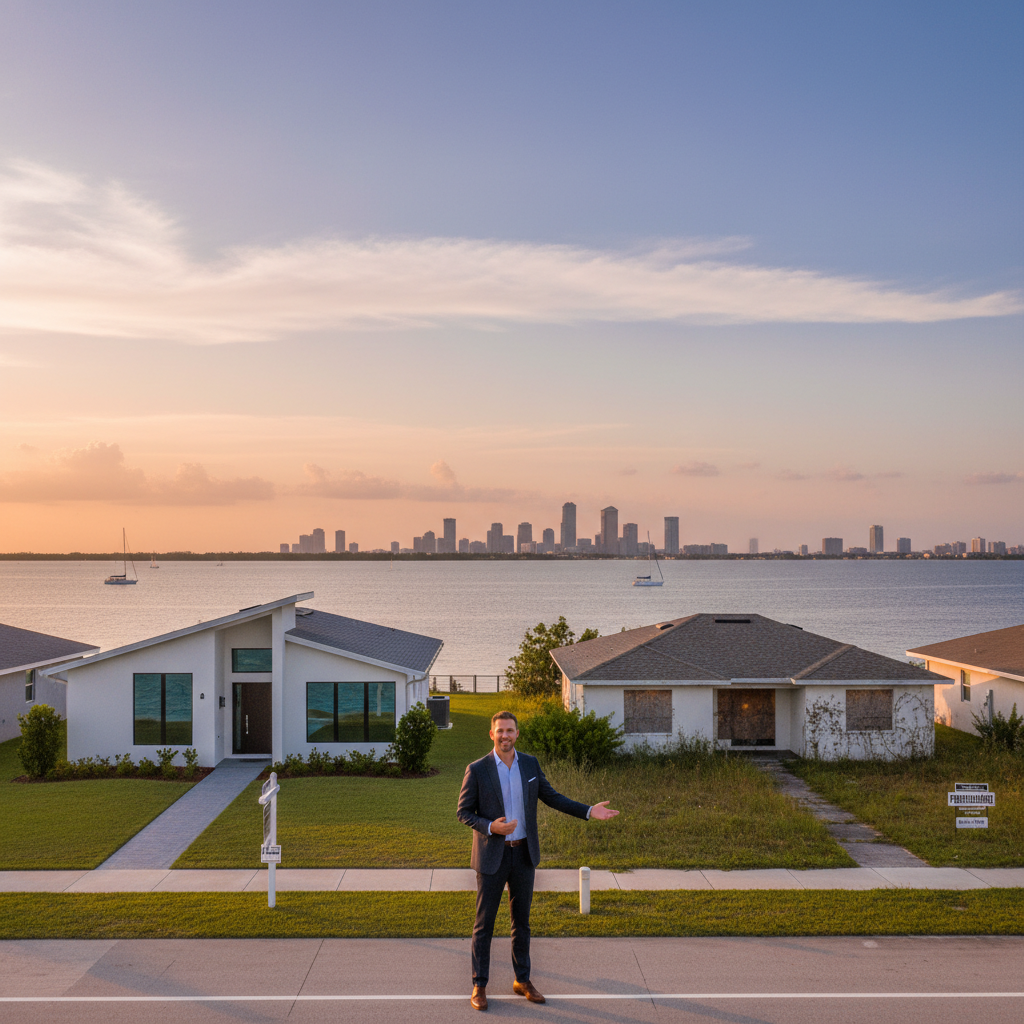
Tampa Bay short sale vs foreclosure homes explained in brief: both offer below-market purchase prices, but they differ sharply in process, timeline, and risk. Short sales require lender approval and typically take 3–6 months to close; foreclosures move faster but often sell as-is with unknown repair needs. Buyers who understand the distinctions can secure significant savings — sellers in distress can protect their credit and move on more gracefully. Working with a local Tampa Bay real estate expert is essential for navigating either path successfully.
Quick Facts
- Short Sale Timeline: 3–6 months average to close in Tampa Bay
- Foreclosure Auction Deposit: Typically 5% of purchase price, cash, same day
- Credit Score Impact (Short Sale): 85–160 point drop on average
- Credit Score Impact (Foreclosure): 100–150+ point drop, stays on record 7 years
- Avg. Discount vs Market: Short sales 5–15% below; foreclosures 10–30% below
- Tampa Bay Distressed Listings: Research suggests roughly 1–3% of active listings are distressed at any given time in the metro area
Introduction: Why Tampa Bay Buyers and Sellers Need to Know This
If you've been searching for value in the Tampa Bay real estate market — or you're a homeowner struggling to keep up with your mortgage — the phrase Tampa Bay short sale vs foreclosure homes explained may have crossed your radar more than once. These two terms are often lumped together in casual conversation, but they represent very different situations for both buyers and sellers, with distinct legal processes, timelines, financial consequences, and negotiation strategies.
Tampa Bay's housing market has seen remarkable resilience since 2020, but rising interest rates, insurance premium spikes, and cost-of-living pressures have pushed some homeowners into financial hardship. As a result, distressed properties — including short sales and foreclosures — continue to appear across Hillsborough, Pinellas, Pasco, and Hernando counties. For buyers, these listings can represent genuine savings. For sellers, understanding your options early can mean the difference between protecting your financial future and facing long-term credit damage.
This guide breaks down Tampa Bay short sale vs foreclosure homes explained in full detail — covering definitions, processes, timelines, pros and cons, and strategic advice — so you can make a confident, informed decision.
What Is a Short Sale in Tampa Bay?
A short sale occurs when a homeowner sells their property for less than the total amount owed on the mortgage, and the lender agrees to accept that reduced payoff. The word "short" refers to the shortfall — the gap between what the home sells for and what the borrower still owes. In Tampa Bay, short sales are most common when property values have declined, equity is negative, or the owner has experienced a hardship such as job loss, divorce, or a serious medical event.
Short sales are a seller-initiated process. The homeowner lists the property, finds a buyer, and then submits the purchase offer to the lender for approval. The lender's loss mitigation department reviews the file — including a hardship letter, financial statements, and a broker price opinion (BPO) — before deciding whether to approve or counter the offer. This review process is what makes short sales notoriously slow: it is not unusual for the lender to take 30–90 days just to respond to an offer.
For sellers in Tampa Bay, a short sale avoids the public stigma and severe credit damage of a full foreclosure. It also gives the homeowner more control over the process, the timeline, and the condition in which the home is sold. Research suggests that homeowners who pursue a short sale rather than allowing a property to go to foreclosure tend to recover financially faster and qualify for new home financing sooner.
Yes, in some cases. Lenders may approve a short sale based on imminent hardship — meaning the borrower can demonstrate they will soon be unable to make payments due to job loss, illness, or another documented financial change. However, most lenders still prefer to see a pattern of missed payments before engaging seriously in loss mitigation. Consulting with a Tampa Bay real estate professional and a HUD-approved housing counselor early is the best approach.
What Is a Foreclosure in Tampa Bay?
Foreclosure is the legal process by which a lender takes possession of a property after a borrower has defaulted on the mortgage. Florida is a judicial foreclosure state, meaning foreclosures must go through the court system. This makes the process lengthier than in some other states — Florida's average foreclosure timeline has historically been among the longest in the nation, often running 12–36 months from first default to completed sale.
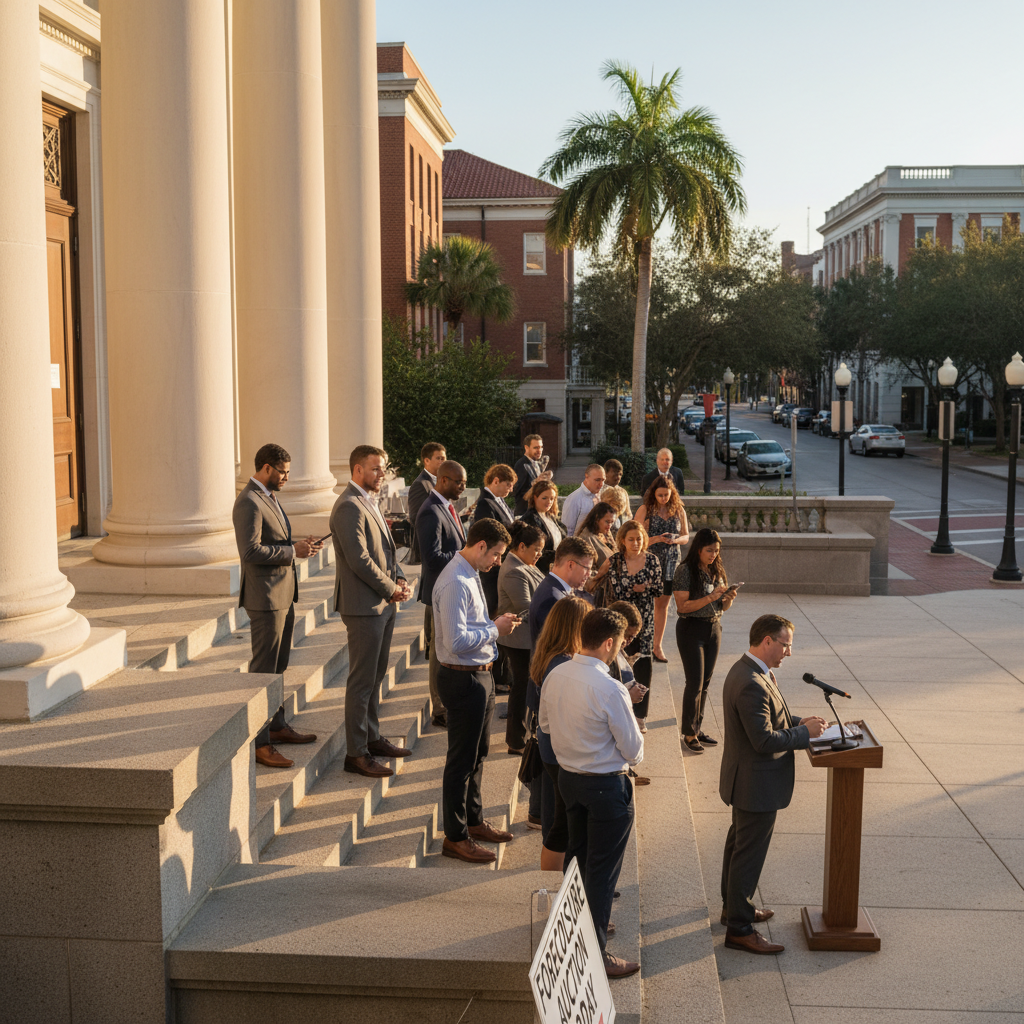
In Tampa Bay, foreclosure proceedings typically begin after a homeowner misses 3–6 consecutive mortgage payments. The lender files a lis pendens (a public notice of pending litigation) with the county court, and the homeowner is served. From there, the case moves through the judicial system, and if the borrower cannot resolve the debt, a judge issues a final judgment of foreclosure. The property is then scheduled for a public auction, listed on the county clerk's website (such as Hillsborough County's official online auction portal).
Foreclosed properties come in several forms buyers will encounter in the Tampa Bay market:
- Pre-foreclosure: The owner has received a default notice but the foreclosure process is not yet complete. The owner can still sell or refinance.
- Auction/Sheriff's Sale: The property is sold at a public auction, typically to the highest bidder, often for cash.
- REO (Real Estate Owned): If no one bids at auction (or the opening bid isn't met), the lender takes ownership. These bank-owned properties are then listed for sale, often through a real estate agent.
Tampa Bay Short Sale vs Foreclosure Homes Explained: Side-by-Side Comparison
Understanding Tampa Bay short sale vs foreclosure homes explained side by side is the fastest way to clarify the key differences. Below is a structured comparison of the two options across the most important variables for both buyers and sellers.
| Factor | Short Sale | Foreclosure (REO) |
|---|---|---|
| Who initiates the sale? | The homeowner | The lender |
| Typical timeline | 3–6 months | REO: 30–60 days; Auction: same day |
| Property condition disclosure | Seller provides disclosures | Sold as-is; lender makes no representations |
| Negotiation | With lender's loss mitigation team | With lender's asset management team or at auction |
| Financing allowed? | Yes (conventional, FHA, VA) | REO: usually yes; Auction: cash only |
| Inspection contingency | Usually allowed | REO: sometimes; Auction: rarely |
| Seller credit score impact | 85–160 point drop | 100–150+ point drop; 7-year record |
| Price discount vs market | 5–15% below market | 10–30% below market |
| Title issues risk | Low to moderate | Moderate to high (especially auction) |
This comparison makes clear that while foreclosures can offer deeper discounts, they carry substantially higher risks — particularly around property condition and title. Short sales offer a more transparent, negotiated path with greater protection for buyers who want the ability to conduct inspections and obtain traditional financing.
The Buying Process: How to Purchase a Short Sale in Tampa Bay
Buying a short sale in Tampa Bay requires patience, preparation, and the right team. Here is a step-by-step overview of how the process typically unfolds:
- Get pre-approved for financing. Lenders reviewing short sale offers want to see strong buyer qualifications. Obtain a pre-approval letter from a reputable mortgage lender before you submit any offer.
- Work with a short sale-experienced agent. Not all real estate agents have navigated the complexities of lender negotiations. Partner with a Tampa Bay agent who has a track record with distressed properties.
- Identify and evaluate the listing. Short sales will typically be marked as such in the MLS. Research comparable sales (comps) in the neighborhood to understand if the list price reflects the market.
- Submit a strong, clean offer. Include your pre-approval, proof of funds for the down payment, and as few contingencies as reasonably possible. Lenders favor straightforward offers.
- Wait for lender review. This is the longest phase. The seller's lender will order a BPO, review the hardship file, and evaluate your offer. Expect 30–90 days for a response, sometimes longer with multiple lien holders.
- Negotiate and respond to counteroffers. The lender may counter your offer. Work with your agent to respond strategically, keeping the deal alive while protecting your interests.
- Complete due diligence. Once approved, schedule your inspection quickly. You typically have a limited window to conduct due diligence after lender approval is received.
- Close the transaction. Short sales close like traditional sales once lender approval is in hand — with a title search, final walkthrough, and closing disclosure.
If you are also evaluating your closing cost obligations on a short sale purchase, the guide on Tampa Bay real estate closing costs provides a detailed breakdown of what buyers and sellers should budget for at the closing table.
The Buying Process: How to Purchase a Foreclosure in Tampa Bay
Purchasing a foreclosure in Tampa Bay — whether at auction or as an REO — follows a different path than a short sale, with unique risks and requirements at each stage.
Buying at a Hillsborough or Pinellas County Foreclosure Auction
Florida county foreclosure auctions are now primarily conducted online through platforms managed by each county clerk's office. Here is what buyers need to know before participating:
- Register with the county's designated auction platform in advance and deposit funds.
- Research the property thoroughly beforehand using public records, tax records, and any available exterior assessment — you cannot tour the interior before bidding.
- The opening bid is typically set at the total amount owed (loan balance plus fees). You will compete against other bidders, including the lender itself.
- If you win, you must pay a deposit (typically 5% of the bid) immediately, with the balance due within 24–72 hours.
- You receive a certificate of title, but title issues such as second liens, HOA arrears, or IRS liens may survive the foreclosure sale. A title search and title insurance are critical.
Buying an REO (Bank-Owned) Property in Tampa Bay
REO properties are generally safer to purchase than auction properties because they are listed on the open market, the foreclosure has been completed, and the title has typically been cleared by the bank. The process looks more like a traditional home purchase:
- Properties are listed by the bank's asset management company, often through a local real estate agent.
- The bank sells strictly as-is, but inspections are usually permitted.
- Traditional financing (FHA, VA, conventional) is typically accepted.
- Negotiations with the bank's asset team can be slow, though usually not as slow as a short sale.
Yes, in most cases — but with important caveats. FHA loans can be used for REO (bank-owned) properties, but the home must meet FHA minimum property standards, which foreclosed homes in poor condition often fail. Auction purchases almost never qualify for FHA financing because they require immediate cash payment. If you're set on using FHA financing, focus on REO listings and budget for any repairs the lender may require before the loan closes.
Seller Perspective: Choosing Between a Short Sale and Allowing Foreclosure
For Tampa Bay homeowners facing financial hardship, the decision between pursuing a short sale and allowing a property to go to foreclosure is one of the most consequential financial choices they will make. Understanding Tampa Bay short sale vs foreclosure homes explained from the seller's side is critical to protecting your long-term financial health.
Why a Short Sale Is Usually Preferable for Sellers
- Less credit damage: A short sale typically results in an 85–160 point credit score drop. A foreclosure results in a comparable or larger drop, but crucially, it may remain on your credit report as a more severe derogatory mark, making it harder to obtain new financing.
- Faster path to homeownership again: Research suggests that after a short sale, sellers may qualify for a new Fannie Mae-backed mortgage in as little as 2 years (with extenuating circumstances) versus up to 7 years after a foreclosure.
- Avoid deficiency judgment risk: In Florida, lenders may be able to pursue a deficiency judgment against borrowers for the remaining balance after foreclosure. A negotiated short sale often includes a deficiency waiver, eliminating this risk.
- Maintain dignity and control: A short sale allows the homeowner to remain in the home during the process, maintain the property, and avoid the public court proceedings that accompany foreclosure.
When Foreclosure May Be Unavoidable
Sometimes, foreclosure is unavoidable — particularly when a homeowner has waited too long, cannot find a buyer, or the lender refuses to approve a short sale. In these cases, understanding the full timeline and exploring alternatives like loan modification, deed-in-lieu of foreclosure, or bankruptcy protection (with legal counsel) may still provide options to reduce damage.
If you are a homeowner currently preparing to list or assess your property, the resource on what to do before listing your home in Tampa Bay offers practical guidance on preparing your property and your expectations for the selling process.
Tampa Bay Market Context: Distressed Homes in 2024–2025
The broader context matters when evaluating Tampa Bay short sale vs foreclosure homes explained in today's market. Tampa Bay has been one of the hottest real estate markets in the Southeast over the past five years, with median home prices in Hillsborough County rising significantly from pre-pandemic levels. However, several economic pressures have begun to shift the landscape:
- Homeowners insurance crisis: Florida's insurance market has seen dramatic premium increases, with some Tampa Bay homeowners facing policies that have doubled or tripled in cost. This added financial burden has pushed some owners toward hardship.
- Rising interest rates: Homeowners who took out adjustable-rate mortgages or HELOCs during the low-rate era are now facing significantly higher payment obligations.
- Post-hurricane recovery: Storms affecting the Tampa Bay region have left some homeowners with uninsured or underinsured damage, contributing to mortgage stress.
- Inventory shifts: As inventory has increased in some price segments, sellers are no longer guaranteed quick, above-asking-price offers, making distressed sales more likely for financially stressed owners.
Research suggests that distressed listings represent a small but meaningful share of Tampa Bay's active inventory, and that this share is expected to increase modestly as the economic pressures above continue to compound. For prepared buyers, this creates a genuine opportunity — but it must be approached with knowledge and the right professional support.
"In the Tampa Bay market, the difference between a smart distressed property purchase and a costly mistake almost always comes down to preparation, professional guidance, and a realistic understanding of the true total cost of ownership — not just the purchase price."
Common Mistakes Buyers Make with Short Sales and Foreclosures
Even experienced buyers can stumble when pursuing distressed properties. Here are the most frequent errors seen in the Tampa Bay market when buyers approach Tampa Bay short sale vs foreclosure homes explained without full preparation:
- Falling in love with the price, not the property: Discounted properties need thorough due diligence. A home with $40,000 in needed repairs isn't a bargain at $50,000 below market.
- Underestimating timelines: Buyers who need to move by a specific date often can't afford the 3–6 month short sale timeline. Know your flexibility before you commit.
- Skipping the title search: Foreclosure properties — particularly auction purchases — can come with hidden liens. Never skip a title search, and always purchase owner's title insurance.
- Not having financing lined up: Short sale lenders move forward fastest with pre-approved, well-qualified buyers. Arriving without financing documentation weakens your position significantly.
- Working with an inexperienced agent: Distressed property transactions require specialized knowledge. Choose a Tampa Bay agent with documented experience in short sales and REO purchases.
Frequently Asked Questions
How long does a short sale take to close in Tampa Bay?
Most short sales in Tampa Bay take between 3 and 6 months to close from the time an offer is submitted to lender approval and final closing. The timeline depends heavily on the lender, the number of lien holders, and how quickly the buyer and seller provide required documentation. Some straightforward single-lender short sales close in as little as 60–90 days; others with multiple lien holders or complex financial situations can take 9–12 months.
Is a foreclosure or short sale worse for a seller's credit score?
Both have a significant negative impact, but a foreclosure is generally considered more damaging and longer-lasting on a credit report. A short sale typically drops a seller's credit score by 85–160 points and may be reported simply as "settled for less than full amount." A foreclosure can drop the score by a similar or greater amount, but the public record of a foreclosure judgment is a more severe derogatory mark and may stay on the credit file for 7 years, making it harder to obtain new financing.
Can I get a mortgage to buy a foreclosure in Tampa Bay?
Yes, in most cases you can use conventional, FHA, or VA financing to purchase an REO (bank-owned) foreclosure in Tampa Bay, provided the property meets minimum condition standards for your loan type. Auction purchases, however, almost always require cash payment in full within 24–72 hours of winning the bid, making mortgage financing impractical. If you plan to use a mortgage, focus your search on REO listings rather than courthouse auctions.
What is the difference between pre-foreclosure and foreclosure in Tampa Bay?
Pre-foreclosure refers to the period after a homeowner has received a default notice but before the foreclosure process is legally completed. During this window, the owner still has the right to sell the property, pay off the arrears, or negotiate a short sale. Once the foreclosure judgment is entered and the property is sold at auction (or taken back by the lender as REO), the owner has lost the home. Acting early — during pre-foreclosure — gives homeowners the most options and typically produces the best financial outcome.
Are there hidden costs when buying a Tampa Bay short sale or foreclosure?
Yes. Beyond the purchase price, distressed property buyers should budget for: property inspection fees, title search and title insurance costs, potential repair and renovation expenses (especially in foreclosures), HOA arrears that may not be cleared by the sale, and standard closing costs. Research suggests buyers of distressed properties should reserve an additional 5–15% of the purchase price for unexpected repairs and transaction costs. Working with a knowledgeable Tampa Bay real estate agent helps you anticipate and plan for these expenses.
Conclusion: Making the Right Choice in the Tampa Bay Market
Whether you are a buyer searching for value or a homeowner navigating financial hardship, having Tampa Bay short sale vs foreclosure homes explained clearly is the foundation of every smart decision you will make in this space. Short sales offer a negotiated, lender-approved path that protects sellers' credit more effectively and gives buyers greater transparency. Foreclosures — particularly REO properties — can offer deeper discounts but come with as-is condition risks, title complications, and limited recourse if problems emerge post-closing.
The Tampa Bay market is dynamic, and distressed property opportunities require local expertise to pursue effectively. From understanding the judicial foreclosure process in Hillsborough and Pinellas counties to negotiating with loss mitigation departments at major lenders, the details matter enormously — and they change. Having the right real estate professional in your corner is not just helpful; it is essential.
Kyle Hollister specializes in helping Tampa Bay buyers and sellers navigate exactly these situations. Whether you are considering a short sale listing, evaluating a foreclosure purchase, or simply want to understand your options, professional guidance is the most valuable investment you can make in any distressed property transaction.
Ready to explore Tampa Bay short sales or foreclosure homes with expert guidance? Contact Kyle Hollister today to schedule a no-obligation consultation and take the first step toward a confident real estate decision.