Small Hotel Definition: Room Counts, Types & Standards
September 2, 2026 · 13 min read
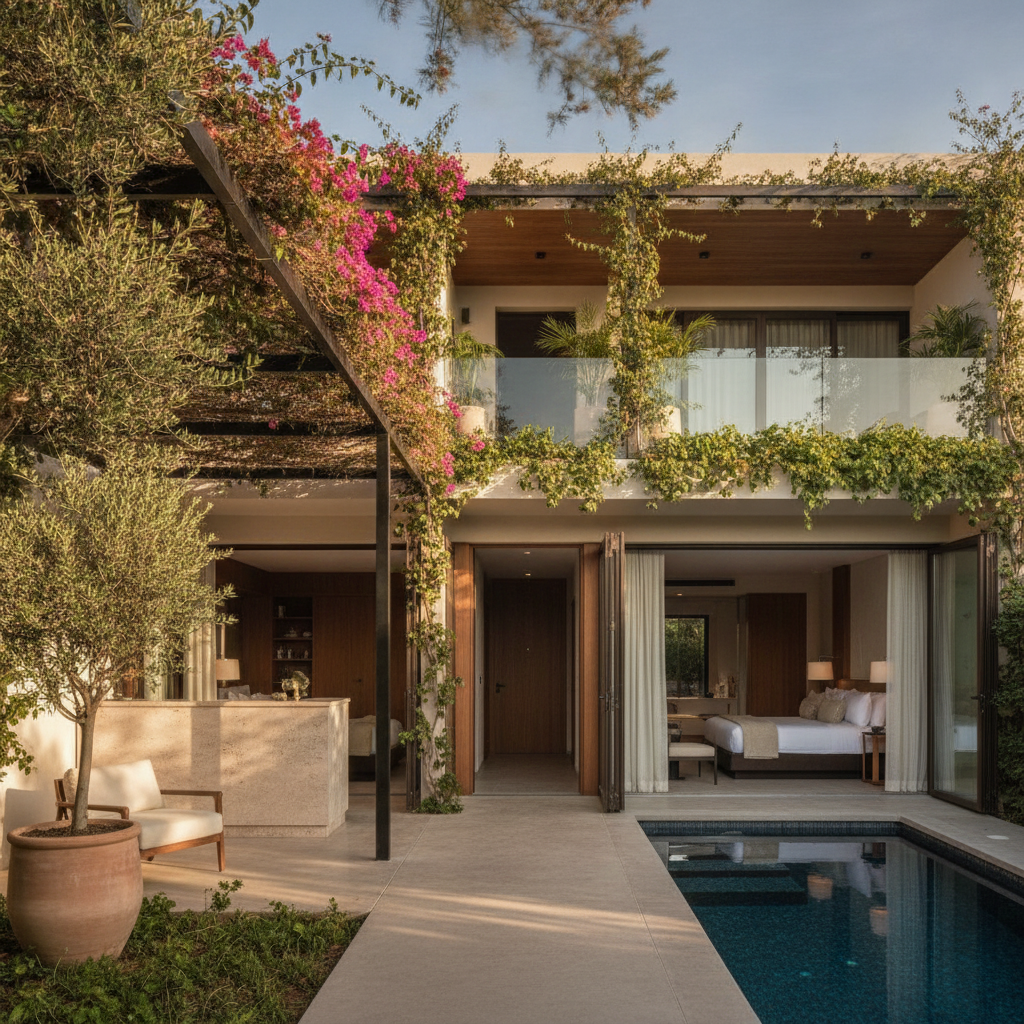
Ask ten hospitality professionals for the small hotel definition and you'll likely get ten different room-count answers. That inconsistency isn't a flaw in the industry — it's a reflection of how differently small properties operate across regions, brands, and business models. For hotel general managers, spa and wellness directors, and property owners trying to benchmark operations or plan capital investments like wellness equipment, understanding where your property falls within the small hotel definition is more than semantics. It shapes staffing ratios, service expectations, amenity budgets, and even how guests perceive your brand promise.
This guide breaks down the small hotel definition from every practical angle: room-count thresholds, how small hotels differ from boutique properties and guest houses, and why getting this classification right matters for wellness and amenity planning.
TL;DR — The Bottom Line
There is no single global small hotel definition, but most hospitality training programs, classification systems, and boutique-hotel associations agree on a practical range: properties with roughly 5 to 50 rooms (occasionally stretched to 100–150 in some regional systems) qualify as small hotels. What separates a small hotel from a guest house is professional operations — front desk, housekeeping standards, and often food and beverage. What separates it from a boutique hotel is branding intent rather than size alone. For GMs and owners, the small hotel definition matters most as a planning tool for staffing, service levels, and wellness amenity investment.
Quick Facts
- Common small hotel definition (conservative): 0–25 rooms
- Common small hotel definition (broader/boutique-focused): 5–50 rooms
- Regional maximum in some Asian/emerging-market classification systems: up to 100–150 rooms
- Boutique hotel size overlap: typically under 100 rooms, often under 50
- Guest house / B&B distinction: usually 5–10 rooms, less formal operations
- Key differentiator from micro-lodging: presence of 24-hour reception, structured housekeeping, and often F&B service
What Is a Small Hotel? Breaking Down the Small Hotel Definition
There is no single legal or global small hotel definition — no international body issues a universal room-count rule the way, say, star ratings are sometimes standardized. Instead, the small hotel definition emerges from a patchwork of hospitality training curricula, tourism-department classification systems, and industry glossaries, most of which converge on similar ranges even if the exact cutoffs differ.
Three bands show up repeatedly across sources used to teach hotel classification and operations:
- 0–25 rooms: The most conservative small hotel definition, common in hospitality training materials and used to distinguish small hotels from mid-size properties in operational case studies.
- Up to 50 rooms: A broader, boutique-friendly small hotel definition that better reflects how independent and design-driven properties actually operate today.
- Up to 100–150 rooms: Found in some regional classification systems, particularly in parts of Asia and other developing tourism markets, where the small hotel definition is tied more to operational scale — number of departments, staffing tiers — than to guest-facing intimacy.
For most independent and wellness-oriented properties in North America, Europe, and Australia, the practical small hotel definition that matters is the 5–50 room range. This is the band where properties are large enough to justify professional departments but small enough to prioritize personalized service and experiential positioning — exactly the segment where thoughtful wellness investments, like in-room recovery amenities, tend to deliver outsized guest-satisfaction returns.
No single official small hotel definition exists globally. Most classification systems used by hospitality training programs and tourism authorities place small hotels somewhere between 5 and 50 rooms, though some regional systems extend that range up to 100 or even 150 rooms.
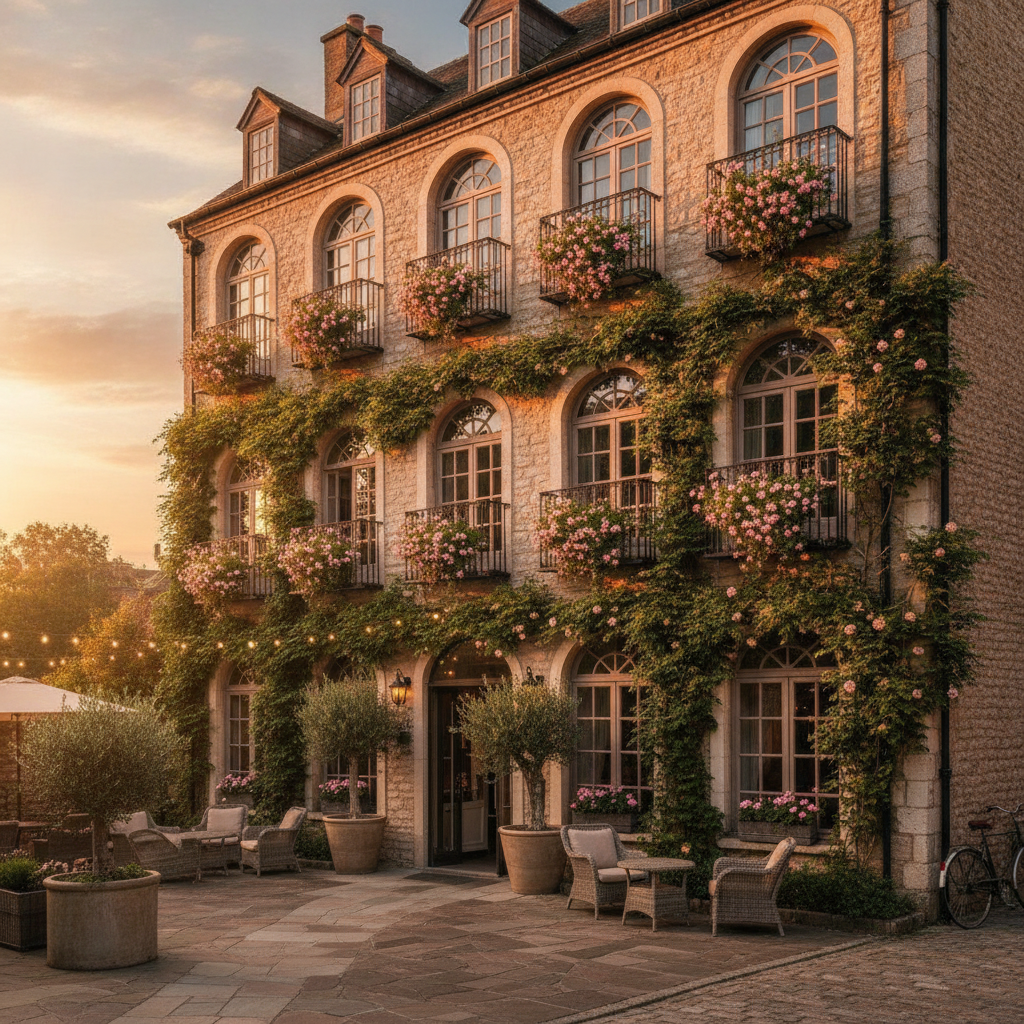
Small Hotel Definition by Room Count: Comparing Global Standards
Because the small hotel definition varies by source and region, it helps to see the ranges side by side. The table below summarizes how different classification approaches typically define "small" relative to mid-size and large properties.
| Classification Approach | Small Hotel Room Range | Typical Context |
|---|---|---|
| Conservative hospitality training standard | 0–25 rooms | Used in operational coursework and guest-house comparisons |
| Boutique-focused industry glossary standard | 5–50 rooms | Common among independent hotel associations and boutique brands |
| Regional tourism classification (parts of Asia/emerging markets) | Up to 100–150 rooms | Focused on operational/staffing scale rather than guest experience |
| Boutique hotel overlap definition | Under 100, often under 50 | Defined more by design/branding than strict room count |
Notice the pattern: as the small hotel definition expands toward the upper end (100–150 rooms), the emphasis shifts away from "intimate guest experience" and toward operational classification — how many departments a property runs, how complex its staffing structure is. For owners and GMs benchmarking against competitors, it's worth asking which flavor of the small hotel definition a given report or association is using before comparing your property's metrics against it.
Most working definitions place small hotels at 5–50 rooms, though conservative classification systems cap it at 25 rooms and some regional systems allow up to 100–150 rooms. The right number depends on which classification source you're referencing.
Small Hotel vs. Boutique Hotel vs. Guest House
Because the terms are often used loosely, it's worth separating the small hotel definition from two commonly confused categories: boutique hotels and guest houses.
Small Hotel
A small hotel, by definition, runs the core departments of a commercial lodging business — front office, housekeeping, and frequently food and beverage — just at reduced scale. Room counts typically fall between 5 and 50, sometimes stretching to 100 depending on the classification system used.
Boutique Hotel
A boutique hotel is defined primarily by style and concept, not size — though in practice, boutique properties are almost always small. Most boutique hotels fall under 100 rooms, and frequently under 50, which means the small hotel definition and the boutique hotel definition overlap heavily. The distinguishing factor is intent: boutique hotels lead with design identity and curated experience, while the small hotel definition is purely about operational scale.
Guest House / B&B
Guest houses sit below the small hotel definition on the size spectrum, usually with 5–10 rooms and far less formal operations — often no 24-hour reception, limited or no F&B, and family-run staffing models. Some classification systems lump guest houses and small hotels together as "small accommodation," but the operational expectations (and therefore the wellness amenity budgets) differ substantially.
Why the Small Hotel Definition Matters for Wellness Planning
For GMs, spa and wellness directors, and owners, the small hotel definition isn't just an academic exercise — it directly informs how you budget for guest experience investments, including wellness equipment.
Properties that fall within the 5–50 room small hotel definition typically face a specific set of constraints and opportunities:
- Limited square footage for shared spa facilities. Small hotels rarely have the footprint to justify a full spa with communal cold plunge pools, saunas, and treatment rooms the way a 200-room resort might.
- Higher per-guest personalization expectations. Guests booking a property that fits the small hotel definition often expect a more curated, boutique-style experience — which raises the bar for how amenities are delivered, even if the footprint is smaller.
- Tighter capital budgets relative to large-brand renovation cycles. Small hotel owners typically can't spread wellness CAPEX across hundreds of rooms, so amenity decisions need to generate visible ADR or review-score lift quickly.
- Faster decision cycles. Because small hotels usually have leaner management structures, owners and GMs can move faster on amenity pilots than large branded properties bound by corporate standards.
This is precisely why properties that fit the small hotel definition are increasingly exploring in-room wellness amenities rather than large communal spa builds — a smaller footprint doesn't have to mean a smaller wellness offering. Explore how HotelPlunge approaches this challenge for independent and boutique-scale properties.
No. Properties that meet the small hotel definition typically can't support large communal spa infrastructure, so wellness planning tends to favor space-efficient, in-room, or small-footprint solutions rather than resort-scale wet areas.
Small Hotel Industry Data and Trends in 2026
While most hospitality data providers don't isolate "small hotels" as a standalone statistical category, the closely related independent hotel segment — which includes most properties that meet the small hotel definition — is well documented and growing in relevance for wellness spending.
Several trends stand out for 2026 planning:
- Independent and small hotels increasingly compete on experience density per room rather than total facility size, since they can't match large-brand amenity square footage.
- Guest expectations for wellness — recovery, sleep, and stress-reduction amenities — have expanded well beyond fitness centers and now influence booking decisions at the individual room level, not just at the property level.
- Owners of properties fitting the small hotel definition report that amenity differentiation (unique in-room features, wellness touches) has become one of the few reliable levers for competing against larger chain properties on rate.
- Because small hotels typically have 5–50 rooms, per-room amenity investments (rather than shared facility builds) tend to have a faster payback period, since the same investment touches a larger share of total inventory.
As one hospitality classification framework puts it, "the defining trait of a small hotel isn't its lobby size — it's the ratio of personal attention to guest count." That single idea explains why so many properties within the small hotel definition are shifting wellness dollars from shared public spaces toward the guest room itself.
How to Determine If Your Property Meets the Small Hotel Definition
If you're trying to classify your own property — for benchmarking, marketing, or amenity planning purposes — use this simple process:
- Count your total guest rooms. If you have between roughly 5 and 50 rooms, you almost certainly fall within the most widely used small hotel definition.
- Check your regional classification system. Tourism authorities in some countries extend the small hotel definition up to 100–150 rooms based on operational scale rather than guest experience, so confirm which standard applies where you operate.
- Assess your service structure. If you offer 24-hour reception, structured housekeeping, and at least limited food and beverage, you're operating as a small hotel rather than a guest house, regardless of exact room count.
- Evaluate your brand positioning. If your marketing leans heavily on design identity and curated experience, you may also qualify as boutique — a related but distinct classification from the small hotel definition.
- Match your amenity strategy to your category. Once classified, align wellness and guest-experience investments (in-room amenities, small-footprint spa features) to the realistic scale your property supports.
Frequently Asked Questions
What is the standard small hotel definition used in the hospitality industry?
There isn't one universal standard. The most commonly cited small hotel definition ranges from 0–25 rooms in conservative training materials to 5–50 rooms in boutique-focused industry sources, with some regional classification systems extending it up to 100–150 rooms.
What's the difference between a small hotel and a boutique hotel?
The small hotel definition is based primarily on room count and operational scale, while "boutique hotel" describes a design and branding concept. Most boutique hotels are also small hotels by room count, but the two terms measure different things.
How many rooms is considered a small hotel versus a mid-size hotel?
Under most small hotel definitions, properties with 5–50 rooms are considered small, while mid-size hotels typically start around 50–100 rooms and large hotels or resorts exceed 100–150 rooms, depending on the classification system used.
Is a guest house the same as a small hotel?
No. Guest houses are typically smaller (often 5–10 rooms) and less formally operated, lacking features like 24-hour reception or structured food and beverage service. The small hotel definition assumes a more professional operational structure even at a comparable room count.
Why does the small hotel definition matter for amenity or wellness planning?
Properties that fit the small hotel definition typically lack the footprint and budget for large communal spa facilities, which pushes wellness investment toward space-efficient, in-room, or small-footprint amenities that can generate ADR and review-score benefits without major construction.
Conclusion: Turning the Small Hotel Definition Into a Planning Advantage
The small hotel definition will likely never be standardized into a single global rule — too many regional classification systems, training programs, and industry associations have their own thresholds. But for hotel GMs, spa and wellness directors, and property owners, that ambiguity is actually useful: it means you can apply the small hotel definition strategically, choosing the framework that best matches how your property actually operates and competes.
What matters most isn't landing on the "correct" room-count cutoff — it's recognizing that properties within the small hotel definition compete on intimacy, personalization, and experience density rather than scale. That reality should directly inform how you invest in guest-facing amenities, particularly wellness features that need to deliver impact without requiring resort-sized square footage.
If your property fits the small hotel definition and you're evaluating space-efficient wellness amenities that don't require major construction or dedicated spa square footage, HotelPlunge works specifically with independent and boutique-scale properties to help translate limited footprint into a genuine wellness differentiator. Reach out to explore what fits your property's size, service model, and guest expectations.