Austin Historic Homes for Sale: 2025 Buyer's Guide
June 12, 2026 · 13 min read
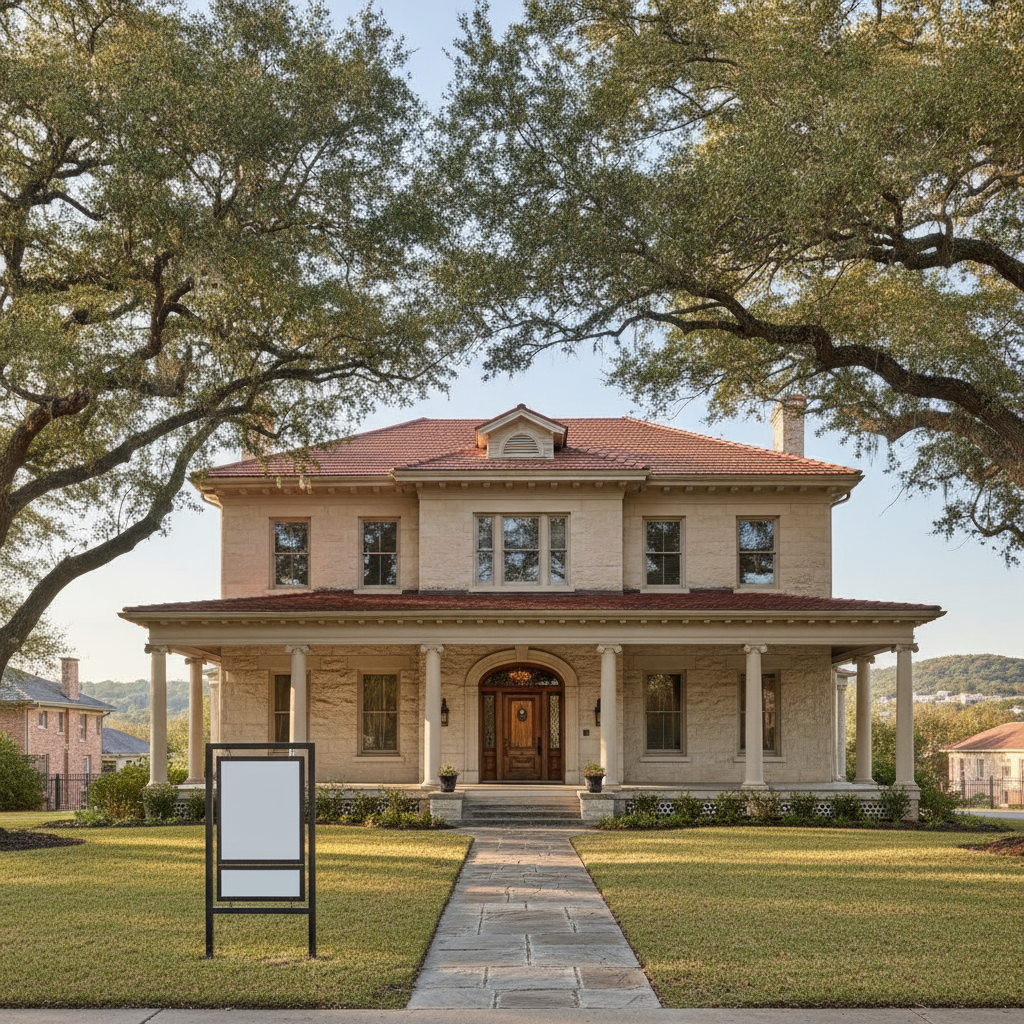
TL;DR — The Bottom Line
Austin historic homes for sale span roughly 130–450 active listings at any time, with citywide median list prices near $545K for vintage stock and $1.3M+ in core historic districts like Old West Austin. Competition is fierce in Hyde Park, Tarrytown, Travis Heights, and East Austin, where character architecture, walkability, and redevelopment potential drive demand from buyers, investors, and developers alike. Working with a specialized local team is essential to navigate preservation rules, pricing premiums, and fast-moving micro-markets.
Austin's residential landscape is famous for its tech-driven growth, but beneath the glass towers and new builds lies a rich inventory of Austin historic homes for sale that tell the story of the city's evolution from a 19th-century capital to a 21st-century cultural hub. Whether you are a homeowner curious about your property's value, a buyer searching for character architecture, an investor eyeing value-add opportunities, or a developer evaluating heritage parcels, understanding this niche market is critical. At Zell Team, we've spent decades helping clients navigate Austin's historic neighborhoods, and this guide distills what you need to know in 2025.
Quick Facts
- Active vintage listings citywide: ~452 homes (Redfin)
- Explicitly "historic"-tagged listings: ~133 homes (Zillow)
- Citywide vintage median list price: ~$545,000–$550,000
- Old West Austin median list price: ~$1,362,500
- Average days on market (vintage): ~88 days
- Average offers per vintage home: ~2
What Qualifies as a Historic Home in Austin?
Not every old house in Austin is technically "historic." When searching for Austin historic homes for sale, you'll encounter three overlapping categories, each with different implications for value, financing, and renovation flexibility.
Age-Based or Vintage Housing
Major real estate portals like Redfin and Zillow apply the "vintage" or "historic" tag based largely on construction age—typically pre-1960. As of the latest data pull, Redfin shows 452 vintage homes for sale in Austin with a median list price near $545,000. This is the broadest definition and includes everything from modest 1940s bungalows in South Austin to grand 1920s estates in Pemberton Heights.
Designated Historic Homes and Districts
A smaller but more prestigious subset includes properties carrying official City of Austin Historic Landmark status or sitting within local historic districts such as portions of Hyde Park, Castle Hill, and Old West Austin. These homes are governed by specific preservation and zoning rules that limit demolition, exterior modifications, and massing. In exchange, owners often qualify for meaningful property tax abatements.
Historically Styled Homes
Finally, some homes are not officially old but were built or thoroughly renovated to evoke Craftsman, Victorian, Tudor Revival, or mid-century styles. These appeal to buyers who want the aesthetic without the maintenance headaches of true antique construction.
No. Most Austin historic homes for sale are marketed based on age and architectural character rather than formal designation. However, designated landmarks typically command a premium and carry tax benefits, so the distinction matters when evaluating long-term value.
The Current Market for Austin Historic Homes for Sale
Inventory in the historic segment is consistently tight. Across the city, you can expect somewhere between 130 and 450 active listings at any given moment, depending on how broadly you define "historic." That sounds like a healthy range, but when you filter for specific neighborhoods, architectural styles, and price bands, the available pool shrinks dramatically.
Pricing Tiers
The citywide median for vintage stock hovers around $545,000 to $550,000, but this number masks enormous variation. In core historic districts—Old West Austin, Tarrytown, Pemberton Heights, parts of Hyde Park—median list prices routinely exceed $1.3 million. Realtor.com data shows Old West Austin alone with 38 active listings and a median list price of approximately $1,362,500. On the other end, vintage properties in transitional East Austin or further-out neighborhoods can still be found in the $400,000s.
Market Velocity
Average days on market for vintage homes citywide is about 88 days, with each listing receiving roughly 2 offers. However, that average obscures the reality in hot pockets: a well-priced bungalow in Hyde Park or Travis Heights can spark multiple offers within a week, while a quirky fixer in a less established area may sit for months.
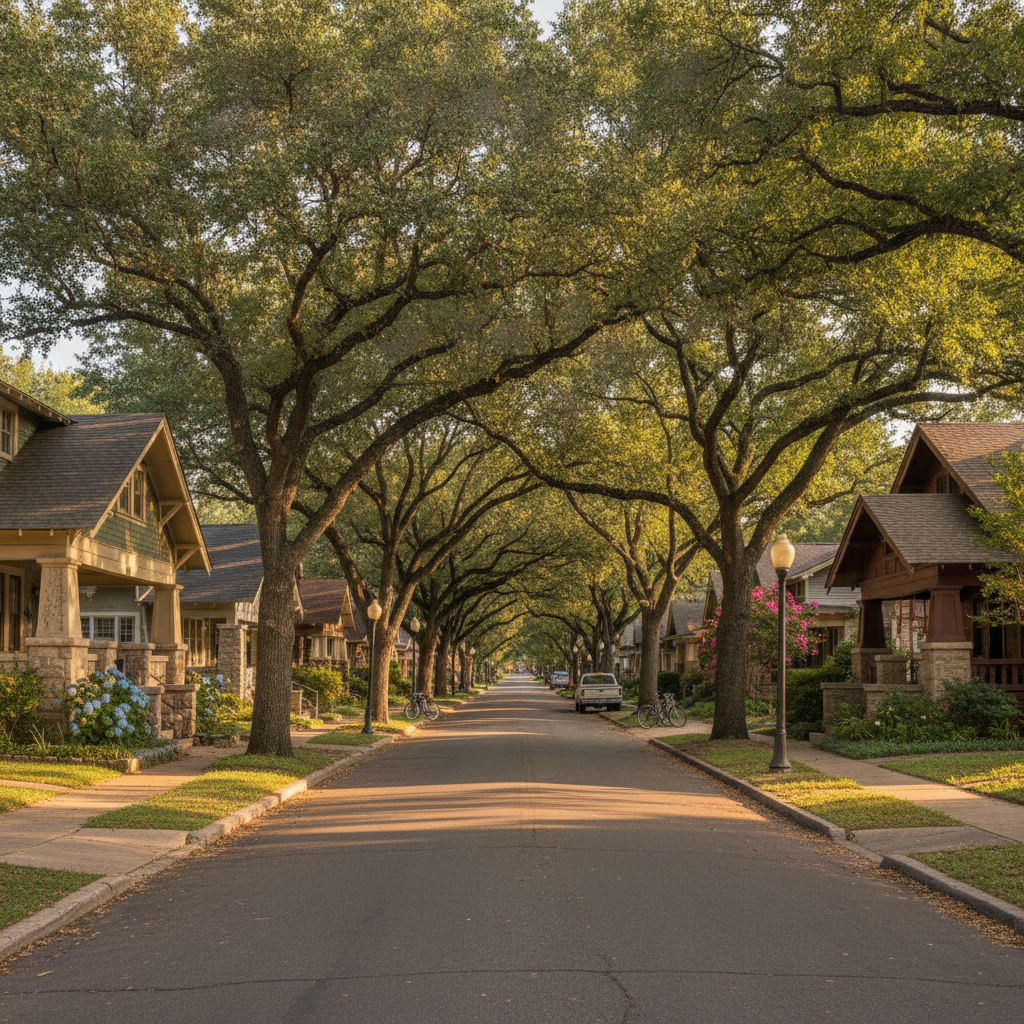
Austin's Most Sought-After Historic Neighborhoods
Geography drives nearly everything in this segment. Here are the neighborhoods that dominate the conversation when shopping Austin historic homes for sale.
Hyde Park
Established in 1891, Hyde Park is one of Austin's first planned suburbs and remains the gold standard for historic character. Expect Victorian cottages, Craftsman bungalows, and four-square homes on shaded lots within walking distance of cafes and the University of Texas. Local historic district overlays protect much of the housing stock.
Old West Austin (Clarksville, Pemberton Heights, Tarrytown)
This cluster of neighborhoods west of MoPac and north of Lady Bird Lake represents Austin's most expensive historic real estate. Tudor Revivals, Colonial Revivals, and stately Spanish Eclectic homes sit on large lots with mature oaks. Median list prices comfortably exceed $1.3 million.
Travis Heights
South of the river and just east of South Congress, Travis Heights mixes 1920s–1940s bungalows with mid-century ranches. The neighborhood's rolling topography and proximity to SoCo make it a perennial favorite for buyers who want character with walkable amenities.
East Austin
The historic east side—particularly around Cesar Chavez, East 11th, and the French Place area—has seen the most dramatic transformation. Original shotgun houses, bungalows, and small Victorians sit alongside modern infill, creating opportunities for both preservation buyers and developers eyeing redevelopment potential.
Bouldin Creek and Zilker
South of downtown, these neighborhoods offer pre-war cottages and bungalows that have been steadily renovated over the past two decades. Walkability to Barton Springs and South First commercial corridors keeps demand strong.
Our neighborhood guides at Zell Team provide deeper market data for each of these areas, updated monthly.
Architectural Styles You'll Encounter
Understanding the architectural vocabulary helps you evaluate listings more critically and anticipate renovation costs. Here's a quick reference table of the dominant styles in Austin historic homes for sale.
| Style | Era | Common Neighborhoods | Key Features |
|---|---|---|---|
| Victorian | 1880s–1910s | Hyde Park, East Austin | Decorative trim, tall windows, wraparound porches |
| Craftsman Bungalow | 1905–1930 | Hyde Park, Travis Heights, Bouldin | Low-pitched roofs, exposed rafters, built-ins |
| Tudor Revival | 1920s–1940s | Tarrytown, Pemberton Heights | Steep gables, decorative half-timbering, brick |
| Colonial Revival | 1920s–1950s | Old West Austin, North Austin | Symmetrical facade, columns, dormers |
| Spanish Eclectic | 1920s–1940s | Tarrytown, Travis Heights | Stucco walls, red tile roofs, arched openings |
| Mid-Century Ranch | 1945–1965 | Allandale, Crestview, Travis Heights | Long, low profile, open plans, picture windows |
How to Buy Austin Historic Homes for Sale: A Step-by-Step Approach
Purchasing a historic property requires a different playbook than buying new construction. Here's the process we recommend at Zell Team.
- Define your priorities. Are you buying for lifestyle, investment, or both? Do you want a turn-key restoration or a project? Your answer dictates which neighborhoods and price tiers to target.
- Get pre-approved with a lender familiar with historic homes. Older properties sometimes have appraisal complications, foundation quirks, or knob-and-tube wiring that conventional lenders flag. Choose a loan officer with vintage-home experience.
- Engage a specialized agent. A buyer's agent with deep knowledge of Austin historic homes for sale will know which listings have hidden issues, which sellers will negotiate, and which off-market opportunities exist.
- Tour with a critical eye. Look at the foundation, roof, electrical panel, plumbing materials, and HVAC. Note original features worth preserving versus updates needed.
- Order specialty inspections. Beyond a standard inspection, consider a structural engineer, a foundation specialist, and—for pre-1978 homes—lead paint and asbestos testing.
- Verify designation status. Confirm whether the property is a designated landmark or sits in a local historic district. This affects renovation flexibility and tax exposure.
- Negotiate with data. Use neighborhood comps, recent renovation costs, and inspection findings to craft a competitive but protective offer.
- Close and plan your improvements. Build a phased renovation budget that prioritizes systems (roof, foundation, mechanicals) before cosmetic upgrades.
Investment and Development Considerations
For investors and developers, Austin historic homes for sale represent a different kind of opportunity than typical flip or new-build projects. The economics depend on neighborhood trajectory, designation status, and exit strategy.
Value-Add Renovation
The most common play is acquiring a vintage home with deferred maintenance, executing a sensitive renovation that preserves character, and selling to an end user willing to pay a premium for turn-key historic charm. Margins are tightest in Hyde Park and Old West Austin (where seller expectations are sky-high) and most attractive in transitioning East Austin pockets.
Tax Benefits of Designation
City of Austin Historic Landmark designation can reduce property taxes substantially through abatements on the assessed value increase tied to qualifying improvements. For long-term holders, this is a meaningful cash-flow boost. Investors planning to flip quickly may not benefit as much, since designation can constrain buyer pool.
Redevelopment Constraints
Developers eyeing teardown or major massing changes should know that designated properties and homes within historic district overlays face significant restrictions. Always pull the zoning record and any historic overlays before underwriting a deal.
Yes, particularly in close-in neighborhoods where land scarcity, walkability, and architectural character continue to drive demand. The strongest returns typically come from value-add renovations in transitional pockets like East Austin and select South Austin enclaves, while core districts like Tarrytown deliver steadier, lower-risk appreciation.
Common Pitfalls When Buying Historic Properties
Even experienced buyers stumble when navigating Austin historic homes for sale. The most common mistakes we see include:
- Underestimating renovation costs. Original plumbing, knob-and-tube wiring, foundation settling, and outdated HVAC can easily add $100,000+ to a renovation budget.
- Skipping the historic-overlay check. Buyers sometimes purchase planning a major addition only to discover overlay restrictions limit what they can build.
- Ignoring insurance complications. Some carriers charge premiums or decline coverage on older homes with original electrical or plumbing systems.
- Overpaying for "character" without verifying authenticity. Not every old-looking home has retained original details; some have been gutted and rebuilt, eliminating much of the historical value.
- Choosing the wrong contractor. Historic renovations require craftsmen experienced with period-appropriate materials and techniques, not just any general contractor.
Our team maintains a vetted referral network of inspectors, contractors, and lenders who specialize in this segment. Reach out to Zell Team for personalized referrals before you make an offer.
What Sellers of Austin Historic Homes Should Know
If you own a historic Austin property and are considering selling, the strategy differs meaningfully from a typical listing. Buyers in this niche are emotional, detail-oriented, and often working with specialists who will scrutinize every aspect of the property.
Pre-Listing Preparation
Invest in a pre-listing inspection so you can address obvious issues before they become negotiation leverage. Highlight original features—hardwoods, built-ins, leaded glass, original tile—through professional photography and detailed property descriptions.
Pricing Strategy
Comps are tricky in historic segments because no two homes are identical. Skilled agents look beyond raw price-per-square-foot and weigh architectural integrity, lot quality, walkability, and recent renovations in nearby comparable sales.
Marketing
Historic homes deserve storytelling. The right marketing emphasizes provenance, original architectural details, and lifestyle—not just bedroom count. Listings that include the home's history often sell faster and closer to asking price.
"In the Austin historic segment, the homes that sell fastest are not always the most expensive—they're the ones whose listings make a buyer feel they're inheriting a piece of the city's story."
Frequently Asked Questions
How many Austin historic homes for sale are available right now?
Inventory fluctuates daily, but at any given time you can expect roughly 130 explicitly tagged historic listings on Zillow and around 450 vintage (pre-1960) homes on Redfin across the Austin metro. Core historic neighborhoods like Old West Austin typically have 30–40 active listings.
What is the median price for an Austin historic home?
Citywide, the median list price for vintage homes is approximately $545,000 to $550,000. In premium historic districts such as Old West Austin, Tarrytown, and Pemberton Heights, median list prices exceed $1.3 million.
Do Austin historic homes appreciate faster than new construction?
In supply-constrained, close-in neighborhoods, historic homes often outperform new construction over long holding periods because the underlying land is scarce and architectural character cannot be replicated. However, short-term performance depends heavily on specific neighborhood trajectory and renovation quality.
Can I get a mortgage on a historic home in Austin?
Yes, but choose a lender experienced with older properties. Conventional loans, FHA 203(k) renovation loans, and specialty rehab products are all available, though appraisal and inspection complications are more common with vintage stock.
How long do Austin historic homes typically stay on the market?
The citywide average for vintage homes is about 88 days on market with an average of 2 offers per listing. However, well-priced homes in desirable micro-locations like Hyde Park or Travis Heights often sell within 2–3 weeks with multiple offers.
Ready to Explore Austin Historic Homes for Sale?
Austin's historic housing market rewards patience, expertise, and a clear strategy. Whether you're searching for a Craftsman bungalow in Hyde Park, a Tudor Revival in Tarrytown, or a value-add opportunity in East Austin, the right team makes all the difference. With more than 50 years of combined Austin experience and deep relationships across the city's heritage neighborhoods, Zell Team helps homeowners, buyers, investors, and developers make confident decisions in this specialized segment.
Connect with Zell Team today to schedule a consultation, receive curated listings, or get a complimentary valuation of your historic property. Austin's story is written in its homes—let us help you write your next chapter.