Infuse Your Sanctuary: A Guide to Aromatherapy Steam
June 9, 2026 · 13 min read
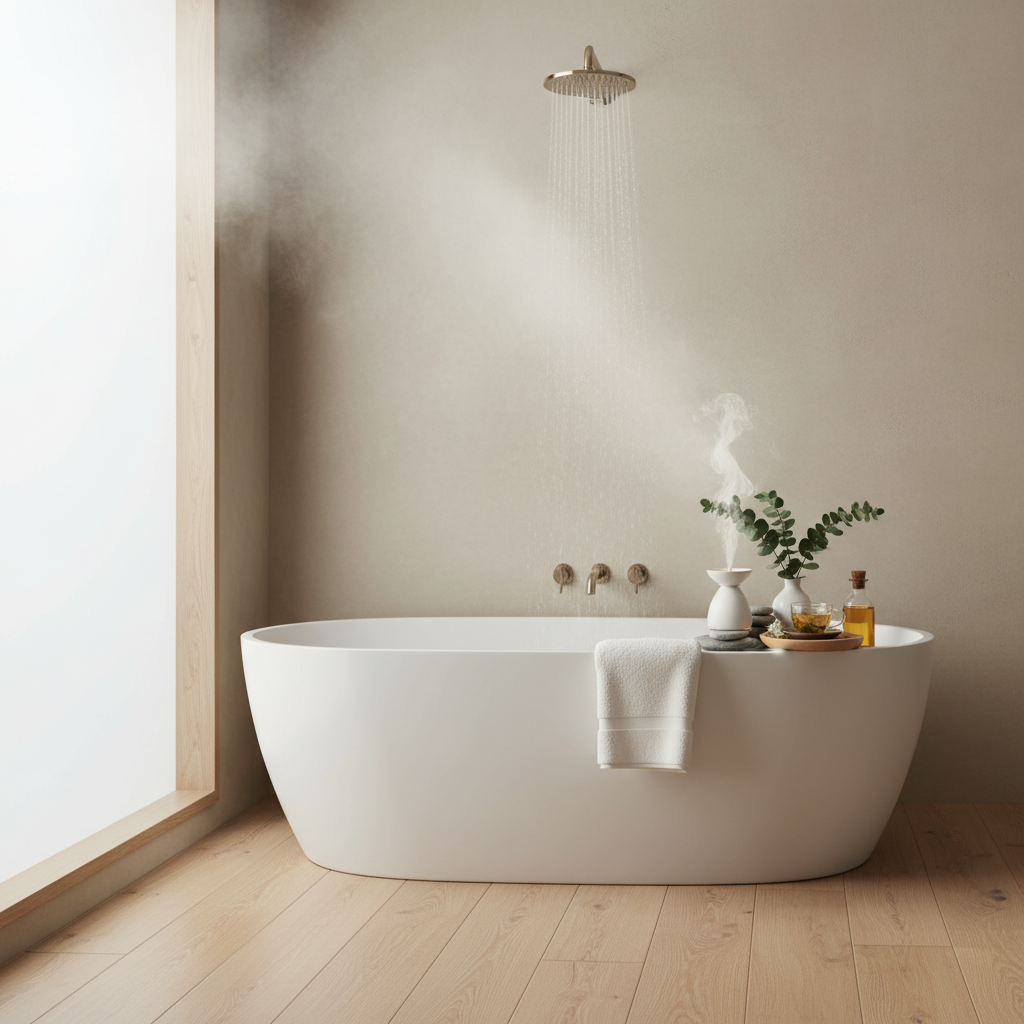
TL;DR — The Bottom Line
Infuse Your Sanctuary: A Guide to Aromatherapy for Home Steam Rooms explains how to safely combine essential oils with steam to enhance relaxation, respiratory health, and skin wellness. Use 3–5 drops of properly diluted, steam-safe oils per session through an integrated diffuser, towel, or aromatherapy tablet — and always pair them with quality hardware engineered for humid environments.
For Australasian homeowners, architects, and commercial wellness operators, the steam room has evolved from a simple heat experience into a multi-sensory wellness ritual. At the heart of this evolution is aromatherapy — the art and science of dispersing therapeutic plant oils through warm, humid air. This article, Infuse Your Sanctuary: A Guide to Aromatherapy for Home Steam Rooms, is your comprehensive resource for understanding, designing, and operating a scent-infused steam experience that genuinely delivers on the wellness promise.
Whether you're specifying a private spa for a luxury residence in Auckland, refining a wellness suite for a Melbourne day spa, or simply upgrading your own bathroom retreat, the principles that follow will help you select oils, hardware, and rituals that are safe, effective, and beautifully integrated.
Quick Facts
- Recommended dose: 3–5 drops of essential oil per 20-minute steam session
- Maximum dose: Keep total usage under ~10 drops per session
- Optimal session length: 15–20 minutes for safe aromatic exposure
- Most popular oils: Eucalyptus, peppermint, lavender, citrus, tea tree
- Spray dilution: 2–3 drops per 100 ml warm water for wall misting
- Delivery methods: Diffuser pads, reservoirs, tablets, towel/sponge method
What Aromatherapy in Steam Rooms Actually Is
Before exploring blends and hardware, it's worth grounding the conversation in a clear definition. Aromatherapy uses volatile plant compounds to influence mood, breathing, circulation, and skin health. In a steam environment, those compounds become particularly bioavailable because heat and humidity carry micro-droplets directly to the respiratory tract and skin.
The core appeal of Infuse Your Sanctuary: A Guide to Aromatherapy for Home Steam Rooms lies in this synergy. Heat opens pores and dilates airways; steam carries aromatic molecules deeper than ambient diffusion ever could; and the enclosed cabin concentrates the experience into a focused, multi-sensory ritual. According to research summarised by integrative medicine reviews, efficacy hinges on three controllable factors: correct oil selection, proper dilution, and managed exposure time.
How the delivery actually works
In a properly engineered home steam room, essential oils are introduced through one of four pathways:
- An aromatherapy reservoir or pump integrated with the steam generator
- A diffuser pad placed near the steam outlet
- Pre-formulated aromatherapy tablets that dissolve slowly during the session
- Manual methods such as a scented towel, sponge, or pre-misted wall
Each method has trade-offs in dose control, evenness of dispersion, and maintenance — which we'll unpack further in the hardware section.
Evidence-Based Benefits of Aromatherapy Steam
The case for Infuse Your Sanctuary: A Guide to Aromatherapy for Home Steam Rooms isn't just sensory — it's clinical. A growing body of integrative-medicine literature and spa-industry practice points to consistent, measurable benefits when essential oils are combined with thermal therapy.
Respiratory and immune support
Eucalyptus and peppermint oils contain compounds (1,8-cineole and menthol respectively) that open airways and ease congestion. In a steam environment, where humidity already supports mucosal hydration, these effects are amplified. Tea tree contributes antimicrobial properties that can support a cleaner cabin atmosphere — particularly valuable in shared or commercial settings.
Stress, sleep, and mood regulation
Lavender, bergamot, and Roman chamomile have well-documented calming effects. A 15-minute steam ritual with lavender before bed is a low-cost, drug-free sleep intervention that many wellness practitioners now recommend.
Both. Inhaled essential oil compounds interact with the olfactory and respiratory systems, and warm steam increases molecule uptake significantly compared to passive room diffusion. The sensory pleasure is real — but so is the physiological response, particularly for breathing, relaxation, and skin hydration.
Skin, circulation, and recovery
Heat dilates surface capillaries, improving circulation and skin appearance. Pairing this with oils such as rose, geranium, or frankincense supports hydration and a healthier dermal barrier. For athletes, blends featuring rosemary, ginger, or wintergreen complement heat-driven muscle recovery.
Choosing the Right Essential Oils for Your Steam Sanctuary
Not every oil performs well in a steam environment. Heat can degrade delicate compounds, and some oils — particularly thick resins or oxidised citrus — can clog diffuser pads and aromatherapy pumps. A well-curated palette is central to Infuse Your Sanctuary: A Guide to Aromatherapy for Home Steam Rooms.
The core five for home steam rooms
| Oil | Primary Benefit | Best Use Case | Suggested Dose |
|---|---|---|---|
| Eucalyptus | Decongestant, respiratory | Morning, cold/flu season | 3–4 drops |
| Peppermint | Energising, airway opening | Pre-workout, fatigue | 2–3 drops |
| Lavender | Calming, sleep support | Evening wind-down | 4–5 drops |
| Sweet Orange | Uplifting, mood | Weekend mornings | 3–5 drops |
| Tea Tree | Antimicrobial, cleansing | Post-exercise, shared use | 2–3 drops |
Signature blends worth exploring
- Breathe blend: Eucalyptus + peppermint + a drop of lemon
- Relax blend: Lavender + bergamot + Roman chamomile
- Sport Recovery blend: Rosemary + peppermint + ginger
- Clean Cabin blend: Tea tree + lemon + eucalyptus
For curated, steam-safe oil collections specifically tested in humid environments, browse the Wellnesswares aromatherapy range, which is formulated for compatibility with integrated diffuser systems.
Hardware: Diffusers, Reservoirs, and Steam Generators
The most beautiful oil blend in the world cannot rescue a poorly engineered cabin. Hardware is where Infuse Your Sanctuary: A Guide to Aromatherapy for Home Steam Rooms either succeeds or quietly fails. There are four practical hardware tiers to consider.
Tier 1: Integrated aromatherapy pumps
Premium steam generators offer a built-in aromatherapy pump that injects metered doses of oil into the steam line. This is the gold standard: precise dosing, even distribution, and minimal maintenance. It's the option most commonly specified for high-end residential and commercial installations.
Tier 2: Aromatherapy reservoirs
A reservoir cup mounted near the steam outlet allows you to add diluted oils before each session. Affordable and effective, though dosing is less precise and the cup requires regular cleaning to prevent residue buildup.
Tier 3: Aromatherapy tablets
Pre-formulated, slow-dissolving tablets offer consistent, no-mess scent delivery. Ideal for guests, rental properties, or anyone who prefers a curated experience without measuring drops.
Tier 4: Manual methods
The towel-and-sponge method works in any steam room, including retrofit installations. Place 1–2 drops of diluted oil on a towel near (not on) the steam head. Cost-effective but variable in performance.
For a deeper dive into engineered options that pair beautifully with aromatherapy, explore the Wellnesswares home steam room collection.
Safe Use: Dosing, Dilution, and Session Length
Safety is non-negotiable. Essential oils are highly concentrated; in an enclosed, humid environment they can quickly move from pleasant to overwhelming or even irritating. The dosing principles in Infuse Your Sanctuary: A Guide to Aromatherapy for Home Steam Rooms are conservative on purpose.
The dosing rules of thumb
- Start low: 3 drops of a single oil for your first session
- Cap the total: Never exceed 10 drops per 20-minute session
- Dilute for sprays: 2–3 drops per 100 ml warm water
- Keep sessions to 15–20 minutes: Longer exposure increases respiratory load
- Hydrate before and after: Steam plus aromatherapy is physiologically active
Who should take extra care
- Pregnant users (avoid clary sage, rosemary, peppermint at full dose)
- People with asthma or severe respiratory conditions
- Young children (under 12) — use significantly lower doses or avoid
- People on blood pressure or anticoagulant medication
No. Direct addition to the boiler tank can damage heating elements, void warranties, and create uneven, potentially irritating concentrations. Always use a dedicated aromatherapy reservoir, integrated pump, or diffuser pad designed for the purpose.
Designing the Ritual: Sequencing Scent, Heat, and Time
A genuinely transformative steam experience isn't just about hardware and oils — it's about ritual design. Spas that consistently delight guests sequence the experience with intention, and homeowners can replicate the same logic.
The four-phase aromatherapy steam ritual
- Preparation (2 minutes): Hydrate, shower briefly, mist walls with diluted oil spray
- Immersion (10–12 minutes): Begin steam with integrated aromatherapy active
- Peak (3–5 minutes): Deep breathing, gentle stretching if comfortable
- Cool-down (5 minutes): Cool shower or rest area; rehydrate
Matching scent to time of day amplifies effects. Citrus and peppermint suit mornings; eucalyptus and rosemary suit midday energy resets; lavender and chamomile belong in the evening wind-down. To plan a complete sequence for a residential or commercial fit-out, the team at Wellnesswares consultations can advise on hardware-scent-ritual integration.
Maintenance, Cleaning, and Long-Term Performance
Essential oils, while natural, leave residues. Without a clear maintenance schedule, even the most sophisticated system will underperform within months. Sustaining the promise of Infuse Your Sanctuary: A Guide to Aromatherapy for Home Steam Rooms requires a small, consistent routine.
Weekly tasks
- Wipe down benches, walls, and the aromatherapy reservoir with a mild, non-aromatic cleaner
- Flush diffuser pads or replace if heavily saturated
- Check the steam outlet for any oil buildup
Monthly tasks
- Descale the steam generator (every 1–3 months depending on water hardness)
- Inspect aromatherapy pump tubing for residue or blockage
- Rotate or refresh oil stock — citrus oils oxidise within 6–12 months
Annual tasks
- Professional service of the steam generator and aromatherapy pump
- Replace seals, pump diaphragms, and any worn delivery components
- Re-evaluate oil palette and consider new seasonal blends
"The difference between a steam room and a sanctuary is not the hardware — it's the discipline of small, consistent rituals: the right oil, the right dose, the right care, week after week."
Residential vs Commercial Considerations
Home installations and commercial wellness facilities share principles but diverge in execution. Understanding the differences helps architects, designers, and operators specify correctly.
Residential priorities
- Quiet operation and aesthetic integration with the bathroom
- Simple, intuitive controls — often app-based
- Lower dosing volumes; emphasis on personal blends
- Compatibility with smaller steam generators (typically 6–12 kW)
Commercial priorities
- High-throughput, automated dosing for consistency across multiple sessions per day
- Robust, code-compliant hardware (gym, hotel, day spa standards)
- Signature scent design as part of brand identity
- Hygiene protocols including antimicrobial blends and frequent cleaning cycles
"Aromatherapy steam is no longer a premium add-on — it's an expected feature of any serious wellness space in Australasia."
Frequently Asked Questions
What are the best essential oils for a home steam room?
Eucalyptus, peppermint, lavender, sweet orange, and tea tree are the most reliable. They tolerate heat well, perform consistently in humid air, and address the most common goals — respiratory clarity, relaxation, mood lift, and antimicrobial cleansing.
How many drops of essential oil should I use per steam session?
Use 3–5 drops per 20-minute session as a comfortable starting point, and never exceed approximately 10 drops total. More oil does not produce a better experience and can cause respiratory irritation or headaches.
Can essential oils damage a steam generator?
Yes, if added directly to the boiler. Always use a dedicated aromatherapy pump, reservoir, diffuser pad, or tablet — never the water tank itself. Direct addition can corrode heating elements and void manufacturer warranties.
Is aromatherapy steam safe during pregnancy?
Some oils — including clary sage, rosemary, and full-dose peppermint — are not recommended during pregnancy. Consult a qualified aromatherapist or health professional, and consider gentle options such as low-dose lavender or sweet orange instead.
How often should I clean my aromatherapy steam system?
Wipe surfaces and reservoirs weekly, descale the steam generator every 1–3 months, and service the aromatherapy pump annually. Consistent maintenance protects performance, hygiene, and equipment lifespan.
Bringing It All Together
Infuse Your Sanctuary: A Guide to Aromatherapy for Home Steam Rooms is ultimately a guide to intentionality. The combination of quality hardware, carefully selected oils, considered dosing, and a repeatable ritual is what transforms a steam cabin into a genuine wellness sanctuary. For homeowners, it's the difference between an under-used feature and a daily practice. For commercial operators, it's the difference between a generic amenity and a signature experience that defines your brand.
If you're ready to design, specify, or upgrade an aromatherapy-ready steam room — whether for a single home bathroom or a multi-cabin commercial wellness suite — the Wellnesswares team can help you select hardware, oils, and rituals that work together as a system. Explore our steam room range, our aromatherapy collection, or book a consultation to start building your sanctuary today.