How to Build a Luxury Lookout Tower: Investor Guide
May 26, 2026 · 13 min read
TL;DR — The Bottom Line
Learning how to build a luxury lookout tower means combining engineered timber or hybrid steel structure, premium hospitality-grade interiors, and a strong brand story to capture nightly rates of $400–$1,200+. With the luxury vacation rental market projected to hit $186.3B by 2032, towers offer high-yield micro-hospitality returns on a small land footprint — typically 12–24 month build timelines and 25–40% gross yields when professionally operated.
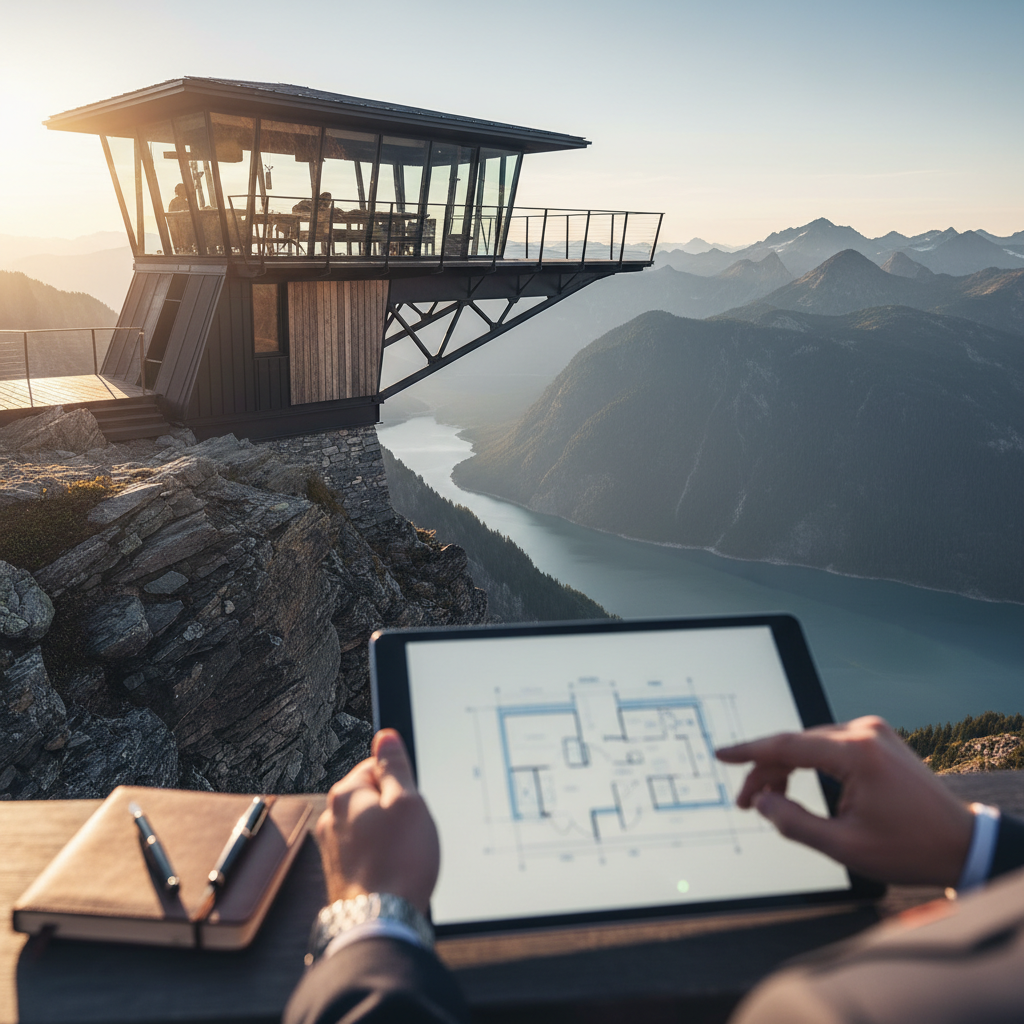
If you're researching how to build a luxury lookout tower, you're entering one of the most distinctive and high-yielding niches in experiential hospitality. A well-designed tower delivers panoramic views, architectural landmark status, and the kind of Instagram-worthy story that commands premium ADRs — all on a footprint smaller than a typical luxury cabin. This guide walks affluent investors and developers through the structural, regulatory, financial, and brand considerations needed to build a tower that performs as both real estate and a hospitality asset.
Quick Facts
- Typical Tower Height: 30–80 ft above grade
- Build Timeline: 12–24 months from design to occupancy
- Nightly ADR Range: $400–$1,200+ depending on location and design
- Luxury Vacation Rental Market: $102.2B (2024), forecast $186.3B by 2032
- Typical Land Footprint: Under 500 sq ft ground impact
- Gross Yield Range: 25–40% when professionally operated
1. Understanding What a Luxury Lookout Tower Really Is
Before exploring how to build a luxury lookout tower, it's critical to understand what separates a true luxury tower from a glorified hunting blind or fire-watch replica. The modern luxury lookout tower is an experience-first micro-hospitality asset — a structurally robust elevated retreat that delivers panoramic views, strong design identity, and premium nightly rates with relatively small land take.
At its core, the concept blends three forces: boutique hospitality (unique stay, high average daily rate), distinctive real estate (landmark architecture on minimal land), and experiential storytelling (fire-lookout nostalgia, dark-sky observation, forest bathing, coastal perches). The most successful towers operate as branded micro-resorts with a single, sculptural unit that becomes a destination in its own right.
Historical US Forest Service lookout designs ranged from 30 ft to over 100 ft tall, providing a structural baseline. Today's luxury versions update those proportions with high-performance glazing, spa-grade bathrooms, chef kitchenettes, and integrated smart-home technology. To see how this concept translates to a turnkey investment model, explore our investment opportunities overview.
The Three Pillars of Luxury Tower Success
- Height & view dominance: Clear visual command above the canopy or terrain
- Premium interior finish: Hardwoods, stone, full-size beds, spa bathrooms
- Brand narrative: A clear, ownable story — wine country perch, dark-sky retreat, forest sanctuary
2. Site Selection and Land Strategy
The single most important decision when learning how to build a luxury lookout tower is the site itself. View quality, accessibility, zoning permissiveness, and proximity to a feeder market for guests determine 70%+ of long-term performance. A spectacular tower on a poor site will always underperform a competent tower on a legendary site.
Key Site Evaluation Criteria
- View arc: Aim for 270°+ unobstructed sightlines, ideally including a sunset or sunrise axis
- Drive time from a metro: 90–180 minutes from a city of 1M+ residents is the sweet spot
- Zoning: Confirm short-term rental legality, height variances, and setback requirements early
- Topography: Knolls, ridgelines, and bluffs offer height advantages with shorter structures
- Utilities: Grid power within 500 ft saves $40–80K versus full off-grid systems
While the tower itself occupies under 500 sq ft, most operators target 5–40 acres to provide privacy, control of the viewshed, and buffer from neighbors. Larger parcels also support future expansion to multi-tower micro-resorts.
3. Structural Engineering and Design Fundamentals
Knowing how to build a luxury lookout tower requires understanding the three primary structural approaches, each with distinct cost, aesthetic, and performance trade-offs. Most successful luxury towers use one of these systems or a hybrid combination.
Timber-Framed Tower on Point Foundations
Glulam or heavy timber posts engineered for lateral and uplift loads create a warm, biophilic aesthetic ideal for forest and rural sites. This approach is the most common entry point for luxury towers and pairs well with exposed interior wood finishes.
Hybrid Steel–Timber Frame
Steel columns and bracing provide stiffness for taller heights (60 ft+), high-wind zones, or designs with dramatic cantilevers. Timber is retained for floors, ceilings, and interior warmth. This is the workhorse system for the 50–80 ft luxury category.
Masonry or Concrete Core
A reinforced concrete or CMU stair-and-services core wrapped in glazed living rooms offers excellent fire resistance and stiffness — at the cost of heavier foundations and higher embodied carbon.
| Structural System | Best Height Range | Relative Cost | Typical Use Case |
|---|---|---|---|
| Timber Frame | 30–50 ft | $$ | Forest, low-seismic sites |
| Hybrid Steel-Timber | 50–80 ft | $$$ | High-wind, cantilevered designs |
| Concrete Core | 60–100+ ft | $$$$ | Fire zones, urban-edge sites |
4. Foundations, Utilities, and Off-Grid Systems
The foundation and utility strategy often costs more than the visible tower itself. When planning how to build a luxury lookout tower, budget 20–35% of total project cost for site work, foundations, and services.
Foundation Approach
- Engineered concrete footings with anchor bolts for typical soils, sized for uplift and overturning
- Driven or helical piles for soft soils, slopes, or high water tables
- Drilled rock anchors for bluff and ridge sites — often the most elegant solution where bedrock is shallow
Utility Strategy
Power, water, and waste are the three systems that make or break a luxury guest experience. Cold showers and dead phone batteries will tank your reviews faster than any design flaw.
- Power: Grid tie where feasible; otherwise hybrid solar + lithium battery + propane generator backup
- Water: Drilled well with pressure tank, or trucked water with 1,000+ gallon cistern
- Waste: Engineered septic, advanced treatment unit, or composting toilet where code permits
- Connectivity: Starlink or fixed wireless is now non-negotiable for luxury guests
5. Premium Interiors: Designing the Sky Apartment
The fastest way to undermine a luxury tower is to compromise on the interior. Guests paying $600+ per night expect the tower to feel like a Manhattan penthouse with a forest view — not a rustic cabin in the air. This is where many DIY tower projects fail and where understanding how to build a luxury lookout tower properly pays dividends.
Interior Non-Negotiables
- Full-size or king bed positioned to wake up to the view
- Spa-grade bathroom with rainfall shower, heated floors, and ideally a soaking tub with a view
- Chef kitchenette with induction cooktop, full fridge, espresso machine, and quality cookware
- High-performance triple-pane glazing with Low-E coatings and argon fill
- Climate control: Ductless mini-split heat pumps plus ERV/HRV for fresh air
- Acoustic treatment: Laminated glass and insulated assemblies to eliminate wind rattle
Curated materials — white oak floors, honed stone counters, brass or blackened steel fixtures, linen textiles — signal luxury without screaming for attention. The view should be the loudest element in the room. For design inspiration and finish standards, browse our tower design gallery.
"A luxury lookout tower isn't a cabin you put on stilts — it's a penthouse you put in the sky. Every finish, every fixture, every sightline must earn its place."
6. Permits, Zoning, and Regulatory Strategy
The regulatory layer is where many tower projects stall. Before pouring concrete, anyone planning how to build a luxury lookout tower must navigate height variances, short-term rental ordinances, building code compliance, and (increasingly) wildfire and dark-sky overlay regulations.
Critical Approvals to Secure Early
- Zoning verification: Confirm the parcel allows residential or hospitality use, plus short-term rentals
- Height variance: Most jurisdictions cap residential structures at 35 ft; towers typically require a variance
- Building permit: Requires stamped structural drawings, energy code compliance, and accessibility review
- Septic and well permits: Often the longest lead-time approvals (3–9 months)
- STR license: Required in most counties before listing on Airbnb or Vrbo
Expect 4–12 months for a full permit package on a tower requiring a height variance, with rural counties often faster than amenity-rich resort jurisdictions. Engaging a local land-use attorney early can cut this by 30–50%.
7. Budgeting, ROI, and Investment Returns
The financial case for a luxury tower is compelling when executed correctly. The global luxury vacation rental market was valued at approximately $102.2B in 2024 and is forecast to reach $186.3B by 2032 (CAGR ~7.8%), according to industry research. Towers capture an outsized share of that growth because they are scarce, photogenic, and command waitlist demand.
Typical Project Budget (Turnkey Luxury Tower)
| Cost Category | Typical Range | % of Total |
|---|---|---|
| Land acquisition | $150K–$800K | 15–30% |
| Site work & utilities | $80K–$200K | 10–18% |
| Tower structure | $350K–$900K | 40–55% |
| Interior finish & FF&E | $120K–$300K | 15–25% |
| Soft costs (design, permits, legal) | $40K–$120K | 5–10% |
Revenue Performance
- Average Daily Rate (ADR): $400–$1,200 depending on location, design, and season
- Occupancy: 55–75% for well-marketed luxury towers in feeder-market range
- Annual gross revenue: $120K–$280K per tower
- Gross yield on total project cost: 25–40% when professionally operated
For investors who prefer a turnkey path, branded operator models reduce execution risk substantially. Learn more about our franchise and licensing program for full-stack support from site selection through ongoing operations.
8. Brand, Marketing, and Operational Excellence
The final discipline in how to build a luxury lookout tower is the one most builders ignore: brand. A tower without a compelling story is just an expensive cabin. A tower with a brand becomes a destination, a waitlist, a photo shoot location, and eventually a multi-unit portfolio.
Brand Pillars That Drive Premium Pricing
- Naming and visual identity: A memorable name and consistent design language across photos, website, and signage
- Photography: Professional, seasonal, drone and twilight shots — budget $5–15K for launch shoots
- Direct booking site: Capture 30%+ of bookings off-platform to protect margin
- Press strategy: Architectural Digest, Condé Nast Traveler, and design blogs amplify ADR potential
- Guest experience playbook: Welcome gifts, local provisions, curated guidebooks, and frictionless check-in
Owner-operators with hospitality experience can run a single tower profitably, but most investors achieve better net returns by partnering with a specialist operator who handles dynamic pricing, guest communication, cleaning logistics, and maintenance — typically for 18–25% of gross revenue.
9. Future Trends Shaping Luxury Tower Development
Three forces will define the next decade of how to build a luxury lookout tower: climate-resilient design (wildfire-hardened envelopes, hurricane-rated glazing), net-zero performance (solar-plus-battery as standard, heat pump everything), and portfolio branding (the shift from one-off listings to recognizable tower networks). Investors who build to these standards now will own assets that command premiums for the next 20+ years.
Frequently Asked Questions
How much does it cost to build a luxury lookout tower?
A turnkey luxury lookout tower typically costs $600,000 to $2,000,000 including land, structure, utilities, and premium interior finish. The structure alone usually runs $350K–$900K, with site work, FF&E, and soft costs making up the balance.
How tall can a private luxury lookout tower legally be?
Most jurisdictions allow 35 ft by right, with variances commonly granted up to 60–80 ft for residential lookout structures. Heights above 80 ft typically require special use permits, FAA notification (if near flight paths), and enhanced structural review.
What is the ROI on a luxury lookout tower as a short-term rental?
Well-located and well-branded luxury towers generate 25–40% gross yield on total project cost, with net yields of 12–22% after operating expenses and management fees. Payback periods of 5–8 years are typical for top-performing assets.
Do I need an architect and structural engineer, or can I use a tower kit?
Tower kits from established manufacturers can shorten timelines and reduce risk, but every site still requires a licensed structural engineer to stamp foundation and lateral system drawings for local code compliance. Custom luxury towers nearly always require a full architect-led design team.
How long does it take to build a luxury lookout tower from concept to opening night?
Expect 12–24 months total: 3–6 months for design and permitting, 6–12 months for construction, and 1–3 months for interior finish, FF&E installation, branding, and pre-launch marketing.
Conclusion: Building an Asset That Lasts
Mastering how to build a luxury lookout tower means treating the project as the intersection of architecture, hospitality, finance, and brand. Get the site right, engineer the structure honestly, invest in premium interiors, navigate permits patiently, and build a brand that turns the tower into a destination — and you'll own one of the most distinctive cash-flowing assets in modern real estate.
Whether you're developing a single signature tower on family land or building a portfolio of branded micro-resorts, the playbook is the same: scarcity, design integrity, and operational excellence. Ready to explore your own project? Connect with our development team to discuss site evaluation, design, and turnkey investment options.