Portable Energy Supplements for Travel: A Smart Guide
October 20, 2026 · 13 min read
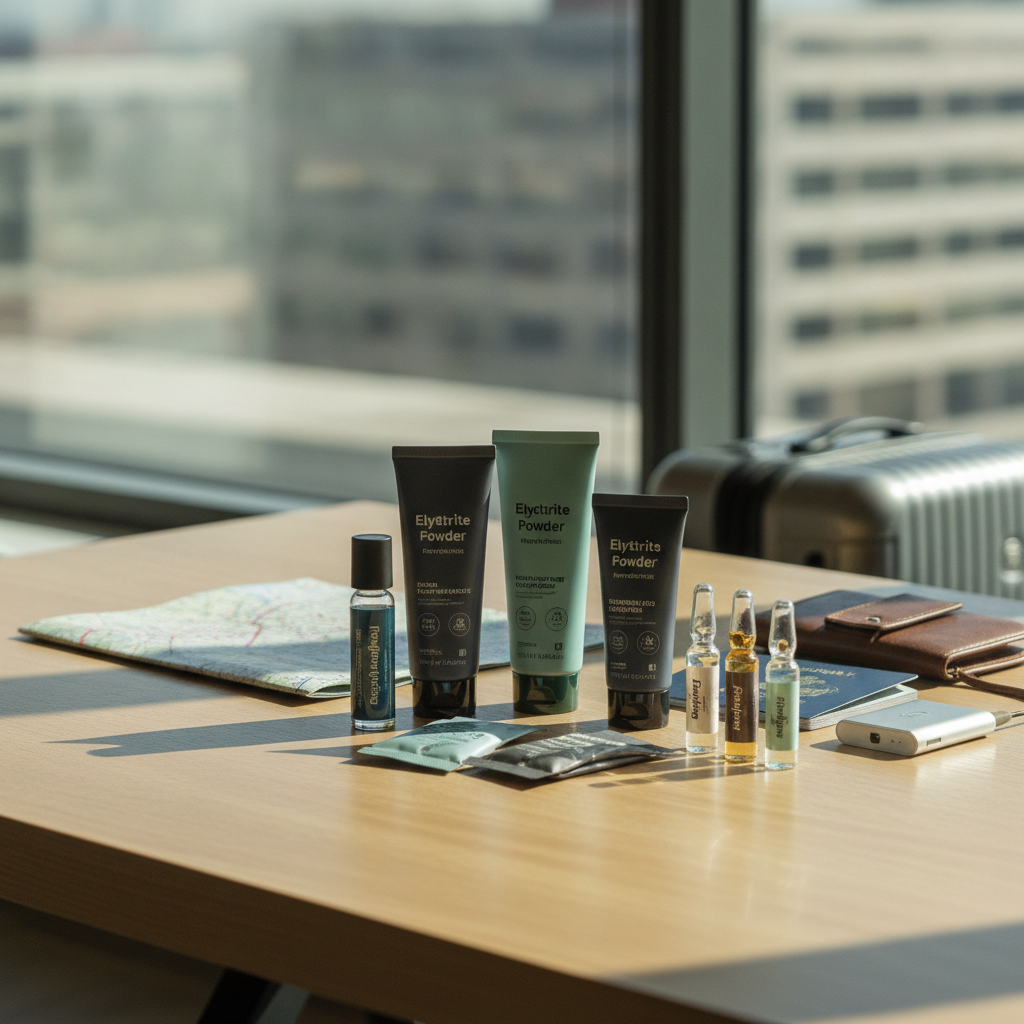
Jet lag, cramped layovers, erratic meal times, and back-to-back meetings in unfamiliar time zones all take a toll on your energy reserves. That's exactly why portable energy supplements for travel have become one of the fastest-growing categories in health and wellness. Instead of hunting for a coffee shop in an unfamiliar airport or relying on sugary vending-machine snacks, travelers now reach for single-serve gels, capsules, chews, and stick packs designed to deliver a fast, controlled boost without the jitters or the crash that follow poorly dosed stimulants.
This guide breaks down what actually works, how to avoid common dosing mistakes, and how to build a reliable travel energy kit using formats that are TSA-friendly, shelf-stable, and backed by transparent labeling. We'll also look at where portable energy supplements for travel fit alongside coffee, energy drinks, and whole-food snacks — and when they're genuinely the better choice.
TL;DR — The Bottom Line
Portable energy supplements for travel — including caffeine capsules, energy gels, chews, effervescent tablets, and stick packs — offer fast, dose-controlled energy without the mess or bulk of coffee or energy drinks. The best choices combine moderate caffeine (typically 40–100 mg per serving) with hydration support or slow-release carbohydrates to avoid the classic spike-and-crash pattern. The FDA notes 400 mg of caffeine per day is generally not linked to negative effects in most healthy adults, but travel stress, poor sleep, and cumulative caffeine from coffee or tea can lower that safe margin, so reading labels and tracking total intake matters more when you're on the move.
What Are Portable Energy Supplements for Travel?
At their core, portable energy supplements for travel are compact alternatives to a cup of coffee or a can of energy drink. They're built around three priorities: speed, portability, and control. Rather than brewing, refrigerating, or mixing anything, you tear open a packet, swallow a capsule, or chew a piece and get a measured dose of active ingredients — most commonly caffeine, sometimes paired with electrolytes, B-vitamins, or fast carbohydrates.
What separates a well-designed product from a generic one is transparency. Reputable brands list exact caffeine content per serving and disclose every active ingredient, rather than hiding behind vague "proprietary energy blend" language. This matters because travelers are often stacking caffeine sources throughout the day — coffee at the gate, tea on the plane, and then a supplement before a meeting — and unclear labeling makes it easy to accidentally overshoot a comfortable dose.
Both. Fast-acting formats like gels and chews use rapidly absorbed caffeine and carbohydrates that can raise alertness within 15–30 minutes, similar to coffee, while capsules and tablets offer more precise, measurable dosing. The convenience factor doesn't reduce effectiveness — it often improves consistency, since travelers are more likely to actually use a product that fits in a pocket than one requiring hot water or refrigeration.
Why Travel Drains Energy Faster Than a Normal Day
Understanding why travel is so depleting helps explain why portable energy supplements for travel have become popular rather than being just another wellness fad. Air travel reduces cabin humidity and oxygen slightly, disrupted sleep schedules throw off circadian rhythm, and long security lines or layovers often mean skipped or delayed meals. Add time-zone shifts, and your body is working with a weaker baseline even before the workday starts.
This is also where the broader travel-wellness trend connects to energy products. Industry analysis shows consumers increasingly shop for products that support hydration, sleep disruption, immune resilience, digestion, and energy specifically while traveling, rather than treating these as separate categories (Future Market Insights travel-retail analysis, 2023). The travel-retail market for supplements (including infant formula) was estimated at roughly $2.6 billion in 2022 and is projected to reach about $8.5 billion by 2032 — implying close to 9.5% annual growth. That trajectory signals real, sustained demand for compact, travel-specific energy and wellness formats, not a short-lived trend.

Key Formats of Portable Energy Supplements for Travel
Not all portable energy supplements for travel work the same way. Choosing the right format depends on how fast you need the effect, how much control you want over dosing, and whether you want hydration or sustained-release support bundled in.
- Caffeine capsules or tablets: Precise, pre-measured caffeine doses (commonly 50–200 mg) with no sugar and minimal flavor. Best for travelers who want predictable dosing without extra calories.
- Energy gels and chews: Combine fast carbohydrates with caffeine (often 25–75 mg per serving). Popular among athletes but increasingly used by professionals who want a quick mental and physical lift between meetings or workouts.
- Powdered drink sticks: Mixed with water, these often combine electrolytes with moderate caffeine, supporting hydration alongside alertness — useful on long flights where cabin air causes dehydration.
- Effervescent tablets: Dissolve in water for a lighter-tasting option, often paired with B-vitamins and electrolytes rather than high caffeine doses.
- Ready-to-drink shots: Compact liquid doses, typically higher in caffeine concentration, meant for a fast single hit rather than gradual sipping.
Each format has tradeoffs. Gels and chews tend to feel the most "food-like" and are gentle on an empty stomach, while capsules offer the cleanest dosing control. For most travelers, a combination — say, a hydration stick pack for the flight and a caffeine chew before a client meeting — covers more scenarios than relying on a single format.
How to Choose the Right Portable Energy Supplement for Travel
With dozens of formats on shelves, the decision usually comes down to five practical filters:
- Caffeine transparency: Choose products that state exact milligrams per serving rather than hidden blends.
- TSA compliance: Solid capsules, chews, and powders pass through airport security without liquid restrictions; liquid shots over 3.4 oz may need to go in checked luggage.
- Shelf stability: Look for products that don't require refrigeration and can withstand heat in a car or bag for hours.
- Added support: Electrolytes or slow-digesting carbohydrates help extend energy rather than letting it spike and fall quickly.
- Serving size control: Single-serve packaging prevents accidental overconsumption, which matters when you're also drinking coffee or tea elsewhere in the day.
This is precisely the gap SpeedLabs set out to close — travelers don't need another high-stimulant drink; they need a dose-controlled, clearly labeled option they can trust at 6 a.m. in a security line or 9 p.m. after a delayed flight. Exploring SpeedLabs product formats is a reasonable starting point if you want pre-measured caffeine paired with ingredients intended to reduce crash risk.

Quick Facts
- FDA daily caffeine guidance: ~400 mg/day generally not associated with negative effects in most healthy adults
- Typical energy drink caffeine range: 54–328 mg per 16 fl oz
- Travel-retail supplement market (2022): approximately $2.6 billion
- Projected travel-retail market (2032): approximately $8.5 billion (about 9.5% CAGR)
- Common formats: gels, chews, capsules, stick packs, effervescent tablets, ready-to-drink shots
Avoiding the Crash: Dosing and Safety With Portable Energy Supplements for Travel
The biggest complaint about traditional energy products isn't that they don't work — it's what happens afterward. A sharp spike followed by a crash can leave travelers feeling worse than before they consumed anything. Three factors drive this pattern: excessive caffeine dosing, simple sugar without fiber or protein, and dehydration that masks itself as fatigue.
Moderate, well-timed caffeine combined with hydration and slower-digesting carbohydrates tends to produce steadier alertness. This is why many newer portable energy supplements for travel pair caffeine with electrolytes rather than relying on caffeine alone. It's also why concentrated or "mega-dose" caffeine products deserve caution: the FDA has specifically warned that pure or highly concentrated caffeine products can create a significant risk of illness or injury, including toxic effects, because such small volumes contain doses that are extremely difficult to measure accurately by hand. Always choose pre-measured, labeled servings over bulk powders.
Add up all sources — coffee, tea, energy drinks, and supplements — and stay mindful of the FDA's general guidance of roughly 400 mg per day for most healthy adults. If you've already had a 150 mg coffee, a 50–75 mg portable supplement later in the day is a more reasonable addition than a 200 mg capsule. Individual sensitivity, medications, sleep debt, and body weight all affect your personal comfortable ceiling, so starting with a lower dose when trying a new product is sound practice.
Portable Energy Supplements for Travel vs. Everyday Energy Products
It helps to see how travel-focused formats stack up against familiar alternatives.

| Product Type | Typical Caffeine | Portability | Crash Risk |
|---|---|---|---|
| Brewed coffee | 95–200 mg per cup | Low (needs brewing, cup, heat) | Moderate |
| Energy drink (16 fl oz) | 54–328 mg | Moderate (bulky can, needs refrigeration for taste) | High if sugar-heavy |
| Caffeine capsule/tablet | 50–200 mg, precisely dosed | High (pocket-sized, no prep) | Low if moderate dose |
| Energy gel or chew | 25–75 mg plus carbohydrates | High (single-serve, no mixing) | Low to moderate |
| Hydration + caffeine stick pack | ~40 mg plus electrolytes | High (just add water) | Low |
The takeaway: portable energy supplements for travel generally offer more precise dosing and far better portability than coffee or canned energy drinks, which is exactly why they've become the preferred option for professionals managing long flights, packed conference schedules, or multi-city trips.
How to Build a Travel Energy Kit
Rather than relying on a single product, experienced travelers build a small kit that covers different scenarios throughout a trip.
- Pack a moderate-dose caffeine option (40–75 mg) for early mornings when you need alertness without overstimulation before a long day.
- Add a hydration-focused stick pack for flights, since cabin air accelerates fluid loss and dehydration often masquerades as fatigue.
- Carry one higher-dose option (100 mg or more) reserved for genuinely demanding moments, like a jet-lagged presentation, rather than everyday use.
- Include a caffeine-free option, such as an electrolyte tablet or B-vitamin chew, for afternoons or evenings when you still want support without disrupting sleep.
- Track your daily total mentally or with a notes app, especially on multi-leg trips where coffee, tea, and supplements can add up quickly.
This layered approach lets travelers match the dose to the moment instead of defaulting to the same high-caffeine product regardless of need — one of the simplest ways to avoid the afternoon crash that undermines so many travel days.
When Portable Energy Supplements for Travel Aren't the Right Choice
Portable energy supplements for travel aren't a substitute for sleep, and they shouldn't be used to push through genuine exhaustion night after night. They work best as situational tools — bridging a short gap in energy during a flight delay, an early meeting, or a jet-lagged afternoon — rather than as a daily crutch. Anyone with a heart condition, anxiety disorder, pregnancy, or caffeine sensitivity should check with a healthcare provider before adding any caffeinated supplement to a routine, and should pay close attention to total daily intake across all sources.
Generally yes. Solid formats — capsules, tablets, chews, gels, and powdered stick packs — are not subject to the liquid restrictions that apply to beverages, so they typically pass through security screening without issue in both carry-on and checked bags. Liquid energy shots larger than 3.4 ounces (100 ml) should go in checked luggage or be purchased after security.
Frequently Asked Questions
What are the best portable energy supplements for travel?
The best options combine transparent caffeine labeling (typically 40–100 mg per serving) with either hydration support or slow-release carbohydrates, in single-serve formats like capsules, gels, chews, or stick packs. Avoid bulk powders or unlabeled "proprietary blends," since dosing accuracy matters most when you're already managing multiple caffeine sources during a trip.
How much caffeine should I take while traveling?
The FDA notes that roughly 400 mg per day is generally not associated with negative effects in most healthy adults, but this includes coffee, tea, and energy drinks combined with any supplements. A practical approach is to keep single servings of portable energy supplements for travel in the 40–100 mg range and track your cumulative intake across the day.
Do portable energy supplements for travel cause a crash like energy drinks?
Not necessarily. Crashes are usually driven by high sugar content and excessive caffeine doses taken at once. Products with moderate caffeine, electrolytes, or slower-digesting carbohydrates are formulated specifically to reduce the spike-and-drop pattern associated with sugary energy drinks.
Can I bring energy gels, capsules, or stick packs on a plane?
Yes. Solid and powdered formats such as capsules, chews, gels, and stick packs are not restricted like liquids, so they can generally be packed in carry-on luggage without issue. Liquid energy shots are subject to the standard 3.4-ounce liquid rule for carry-ons.
Are portable energy supplements for travel safe for daily use?
Used at moderate doses and combined with adequate sleep and hydration, many people use them several times a week without issue. However, they work best as situational tools for travel stress or jet lag rather than a permanent substitute for rest, and anyone with underlying health conditions should consult a healthcare provider first.
Final Thoughts
Portable energy supplements for travel have moved well past novelty status — they now represent a genuine solution for professionals and active travelers who need reliable, fast-acting energy without the bulk of coffee runs or the unpredictability of sugary energy drinks. The winning formula isn't the highest caffeine dose on the shelf; it's transparent labeling, moderate dosing, and formats that fit the realities of modern travel, from security lines to red-eye flights to back-to-back meetings across time zones.
If you're ready to replace guesswork with dose-controlled, travel-ready energy, explore SpeedLabs' lineup of single-serve, clearly labeled energy products built for exactly this kind of demanding, on-the-go lifestyle. A smarter travel energy kit starts with knowing exactly what's in every serving — and SpeedLabs is built around that principle.