What Makes Bedding Luxury? The Complete 2026 Guide
August 3, 2026 · 13 min read
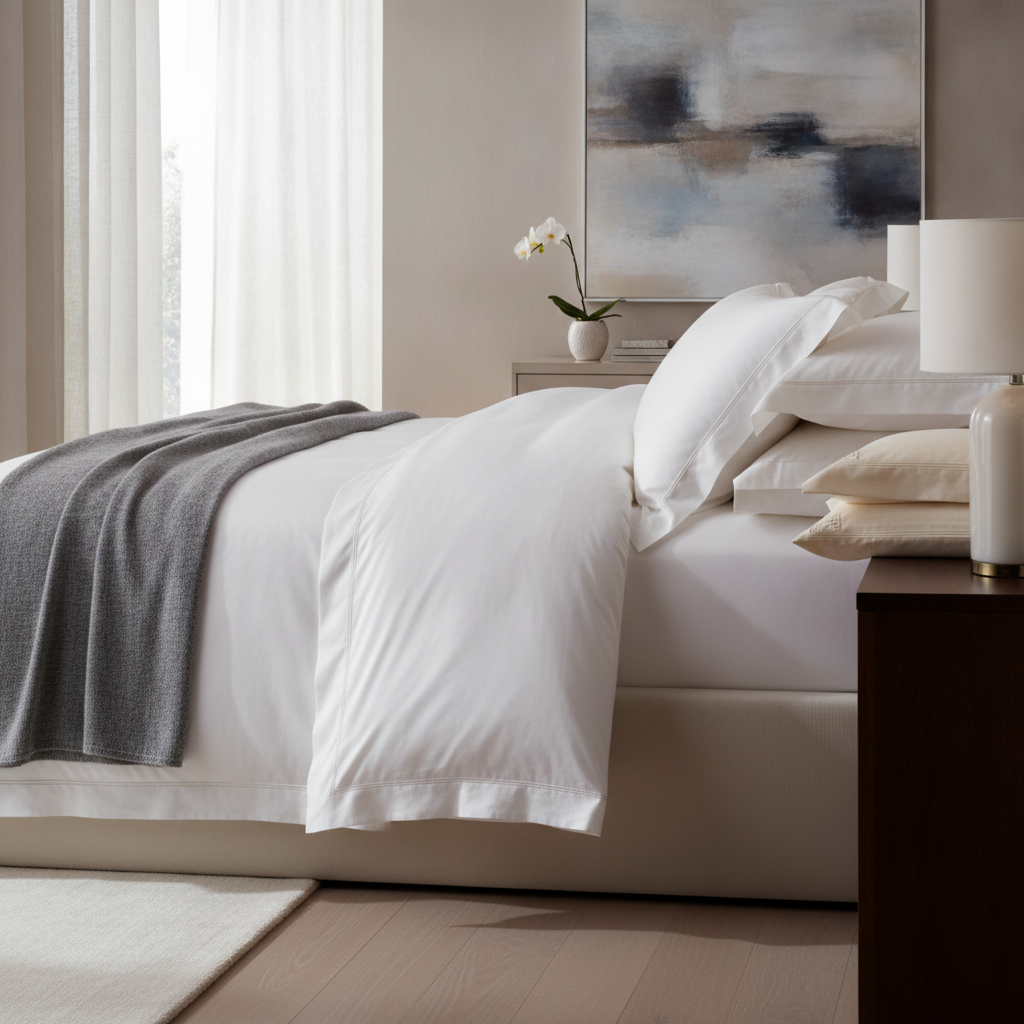
Understanding what makes bedding luxury has never been more important for homeowners who are tired of sheets that bunch, duvets that slide off-center, and "luxury" labels that promise more than they deliver. At Sierra Dreams, we believe the answer isn't just about price tags or marketing claims — it's about materials, construction, and performance working together night after night. This guide breaks down exactly what makes bedding luxury today, from the fibers on the label to the engineering hidden inside the seams.
TL;DR — The Bottom Line
What makes bedding luxury is a combination of five factors: premium natural fibers (organic cotton, linen, kapok), breathability and temperature regulation, precise oversized fit, stays-in-place construction, and clean finishing details like zippers and snaps. Thread count alone does not determine luxury — how the bedding performs on your actual bed, night after night, matters far more.
Quick Facts
- Core luxury materials: GOTS-certified organic cotton, European linen, organic kapok fill
- Common myth: Higher thread count always equals more luxury
- Top real-world frustration: Duvet inserts and covers shifting or bunching overnight
- Emerging luxury feature: Anti-shift mechanical systems (e.g., snap-based alignment)
- Sierra Dreams founded: 2024, after two years of design and development
What Makes Bedding Luxury? A Definition That Goes Beyond Price
Ask ten people what makes bedding luxury and you'll likely get ten different answers: thread count, brand name, hotel association, softness, or simply the sticker price. But the more useful, evidence-based answer is that luxury bedding is defined by how well several factors work together — fiber quality, breathability, fit, construction, and finishing — rather than any single feature.
Far too many brands answer the question of what makes bedding luxury with just one metric, usually thread count, because it's easy to print on a package. In reality, thread count is only one small piece of a much larger picture. A 1,000-thread-count sheet made from low-quality, chemically treated fibers can feel and perform worse than a 300-thread-count sheet made from long-staple organic cotton or European linen.
For homeowners evaluating what makes bedding luxury in their own homes, the more reliable checklist includes: the source and quality of the fiber, how the fabric breathes and regulates temperature, how precisely the bedding is cut and sized for the mattress and pillows, whether the construction keeps everything aligned overnight, and whether the finishing details (stitching, zippers, snaps) hold up wash after wash.
Expensive bedding can still underperform if the materials are low quality or the construction is poor. Luxury bedding, by contrast, is defined by consistent real-world performance — softness that lasts, temperature regulation, and a fit that stays in place — regardless of price point.
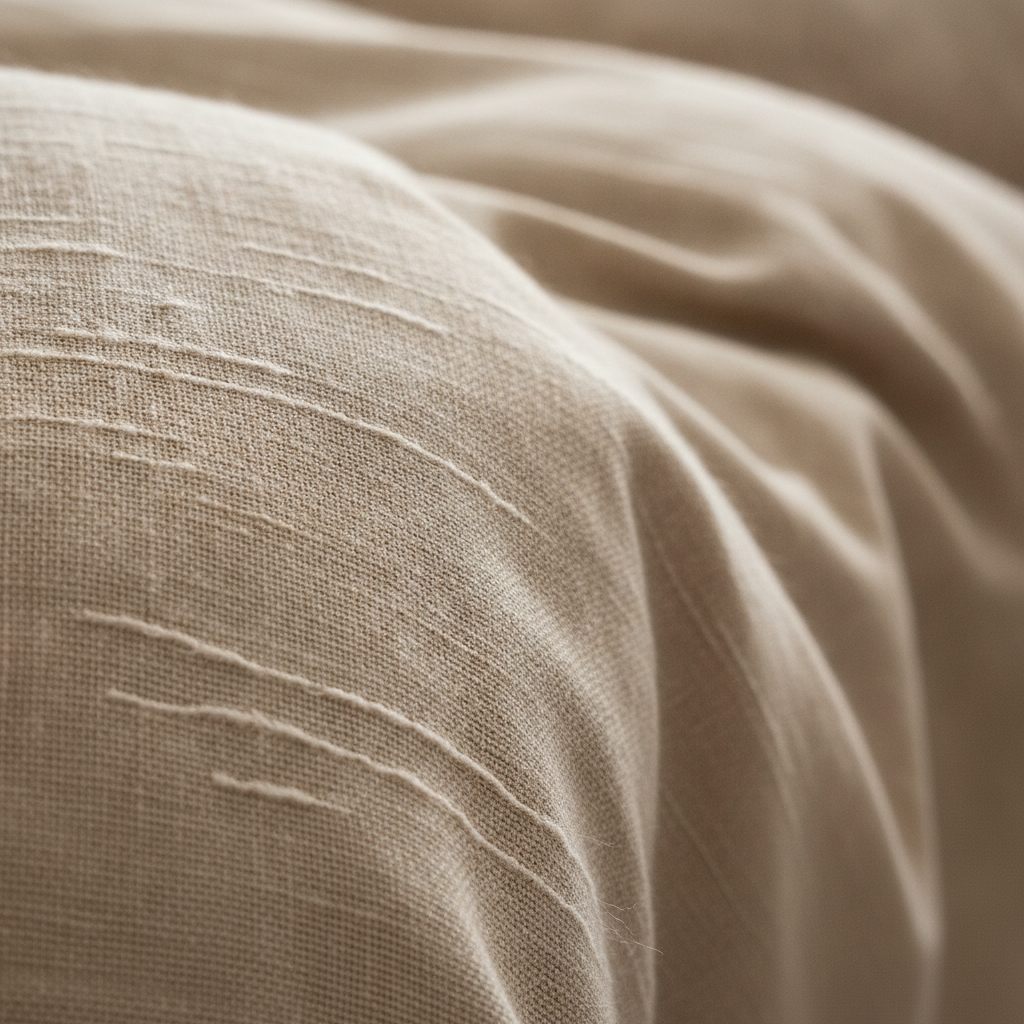
The Materials That Define Luxury Bedding
The fabric answer to what makes bedding luxury starts with fiber quality. Natural fibers — organic cotton, European linen, and even specialty fills like kapok — are consistently associated with better breathability, softness, and durability than synthetic microfiber or polyester blends. According to the Sleep Foundation, natural fibers such as cotton and linen tend to wick moisture and regulate temperature more effectively than synthetic alternatives, which is a major reason they dominate the luxury bedding conversation (sleepfoundation.org).
Here's a quick breakdown of the materials most associated with luxury bedding:
- Organic cotton: Grown without synthetic pesticides, GOTS-certified organic cotton is prized for its softness, breathability, and moisture-wicking properties.
- European linen: Naturally temperature-regulating and highly durable, linen softens with every wash and is a hallmark of understated, textural luxury.
- Organic kapok fill: A lightweight, plant-based fill used in duvets and pillows, valued for its insulating properties without the weight of synthetic fill.
- Long-staple cotton: Longer fibers create smoother, stronger yarns that resist pilling and wear better over time.
Notice what's missing from this list: polyester, microfiber, and synthetic blends. While these materials can be cheaper to produce, they generally trap heat, feel less breathable, and degrade faster — which is why they rarely appear in serious discussions of what makes bedding luxury.
Is Thread Count Still the Gold Standard for Luxury Bedding?
For decades, thread count was the go-to shorthand for what makes bedding luxury, but that reputation is increasingly outdated. Independent testing by organizations like Good Housekeeping Institute has repeatedly found that sheets in the 300–400 thread count range, made from high-quality long-staple cotton or linen, often outperform 1,000+ thread count sheets made from lower-grade fibers (goodhousekeeping.com).
The reason is simple: manufacturers can inflate thread count by using multi-ply yarns (two or more thin threads twisted together and counted as multiple threads), which doesn't necessarily improve softness or durability. A single-ply, long-staple cotton sheet at 300 threads per square inch can feel smoother and last longer than a multi-ply 1,200 thread count sheet.
This is one of the clearest examples of why understanding what makes bedding luxury requires looking past marketing numbers and toward fiber origin, weave structure, and finishing quality instead.
Fit, Drape, and Construction: The Hidden Engineering of Luxury
Materials get most of the attention, but construction is just as central to what makes bedding luxury — and it's the piece most homeowners overlook. Oversized duvet covers and sheets, precisely cut to allow generous drape over the mattress and pillows, create a fuller, more tailored look that's instantly recognizable in high-end hotels and showrooms.
Construction also determines how bedding behaves in daily use. Deep, reinforced pockets keep fitted sheets anchored to the mattress. Well-executed corner seams and hem finishing prevent premature fraying. And increasingly, mechanical alignment features — such as snap systems along the top and sides of duvet covers and inserts — are being used to keep layers from shifting, bunching, or sliding apart overnight.
Sierra Dreams' own Align™ system is a direct response to this construction gap: rather than relying on ties or corner loops that loosen with movement, it uses reinforced snaps to keep the duvet insert and cover aligned through a full night of tossing and turning. This kind of functional engineering is a strong example of what makes bedding luxury in 2026 — not just softness, but structural reliability.
Yes. A duvet cover that's too tight or imprecisely sized causes bunching and an uneven appearance, even with high-quality fabric. Oversized, precisely engineered fits are part of what makes bedding luxury look tailored rather than sloppy.
Why Function Is the New Frontier of What Makes Bedding Luxury
For years, luxury bedding was judged almost entirely on how it looked and felt in a showroom. That's changing. The strongest current signals in the home goods industry suggest that luxury is increasingly judged by how bedding performs in real use — not just how it photographs on a freshly made bed.
Common frustrations like duvet inserts sliding inside their covers, sheets untucking mid-sleep, and shams that never quite sit straight are no longer treated as minor annoyances. They're increasingly seen as functional failures that no amount of thread count or brand prestige can excuse. This shift is a major reason functional design has become central to what makes bedding luxury today.
Brands responding to this shift are building bedding with features like:
- Reinforced snap or button systems that keep duvet layers aligned
- Deep, elasticized fitted sheet pockets that resist popping off the mattress
- Zippered pillowcases and shams for a cleaner, gap-free finish
- Oversized cuts that maintain drape even after repeated washing
This is the essence of what Sierra Dreams calls "engineered luxury" — natural, premium materials paired with mechanical features designed specifically to solve the everyday annoyances that even expensive bedding often fails to address.
How Much Should Luxury Bedding Cost?
Price is often the first thing people associate with what makes bedding luxury, but it's an unreliable standalone signal. Across the premium-to-luxury bedding segment, prices vary enormously depending on fiber origin, certification, and construction complexity:
| Bedding Type | Typical Premium Price Range | What Drives the Cost |
|---|---|---|
| Organic cotton sheet set | $120–$300 | Certification, weave, long-staple fiber |
| European linen sheet set | $200–$450 | Flax sourcing, weight, finishing |
| Engineered duvet system (cover + insert) | $250–$600 | Fill quality, alignment hardware, oversized cut |
| Luxury pillow shams | $60–$150 each | Zipper construction, fabric matching |
The takeaway: paying more doesn't guarantee you're getting genuine luxury. The smarter approach is to evaluate what makes bedding luxury feature-by-feature — fiber, construction, and function — rather than assuming price alone tells the whole story.
How to Choose Luxury Bedding for Your Home
If you're trying to apply everything above to an actual purchasing decision, here's a practical, step-by-step way to evaluate what makes bedding luxury before you buy:
- Check the fiber first. Look for organic cotton, European linen, or natural fills like kapok rather than polyester or unspecified "microfiber" blends.
- Verify certifications. Labels like GOTS (Global Organic Textile Standard) indicate the fiber was grown and processed without harsh synthetic chemicals.
- Measure your mattress and pillows. Confirm the bedding is cut generously enough (oversized) to drape properly rather than pulling tight.
- Ask about construction. Does the duvet cover have ties, loops, or a mechanical alignment system like snaps to prevent shifting?
- Inspect finishing details. Zippers, reinforced corners, and clean stitching are strong indicators of durability and long-term performance.
- Read the care instructions. Genuine luxury bedding should hold its softness and shape through repeated machine washing, not just on day one.
Following this checklist gives you a far more reliable answer to what makes bedding luxury than relying on price or marketing language alone. It also puts the focus back on the two things that matter most for your actual sleep experience: comfort and consistency, night after night.
Focusing exclusively on thread count. It's the most commonly cited number, but it tells you almost nothing about fiber quality, breathability, or how well the bedding will stay in place and hold up over time.
Bringing It All Together: What Makes Bedding Luxury in 2026
So, what makes bedding luxury today, in practical terms? It's the combination of premium natural fibers, genuine breathability, precise and generous fit, construction that keeps everything aligned through the night, and finishing details that hold up over years of use. No single factor — not fabric, not price, not brand name — defines luxury bedding on its own.
At Sierra Dreams, this is the exact philosophy behind our approach: natural-fiber-only materials like organic cotton, European linen, and kapok fill, paired with our patented Align™ snap system designed to solve the shifting and bunching problems that even expensive bedding often fails to fix. It's a definition of what makes bedding luxury built around how the bedding actually performs on your bed — not just how it photographs in a catalog.
Frequently Asked Questions
What makes bedding luxury besides high thread count?
Fiber quality, breathability, precise oversized fit, construction that prevents shifting, and durable finishing details all matter more than thread count alone. A lower thread count made from long-staple organic cotton or linen often outperforms a high thread count sheet made from lower-grade fiber.
Is organic cotton or linen more luxurious for bedding?
Both are considered luxury-tier natural fibers. Organic cotton tends to feel softer and cooler immediately, while European linen is more textured, extremely breathable, and softens with age. Many luxury bedding lines use both, depending on the season and desired feel.
Why does my duvet keep shifting even though it's expensive?
Most duvet covers rely on simple ties or corner loops that loosen with movement and washing. This is a construction issue, not a fabric issue. Mechanical alignment systems, such as reinforced snaps along the top and sides, are specifically engineered to solve this problem.
Does luxury bedding have to be expensive to be genuine?
No. Price is not a reliable stand-alone indicator of what makes bedding luxury. Some mid-priced bedding made from high-quality natural fibers with thoughtful construction outperforms far more expensive options that rely on brand name alone.
What should I look for on a bedding label to confirm it's truly luxury quality?
Look for specific fiber names (organic cotton, European linen, kapok) rather than vague terms like "microfiber," plus certifications such as GOTS, and details about construction such as pocket depth, oversized sizing, and any anti-shift features.
Ready to experience bedding engineered around what actually matters — natural materials and a fit that stays put? Explore Sierra Dreams to see how our Align™ system and natural-fiber-only materials come together to redefine what makes bedding luxury, one well-made bed at a time.