Latex Duvet Insert Guide: Weight, Warmth & Allergies
August 29, 2026 · 13 min read
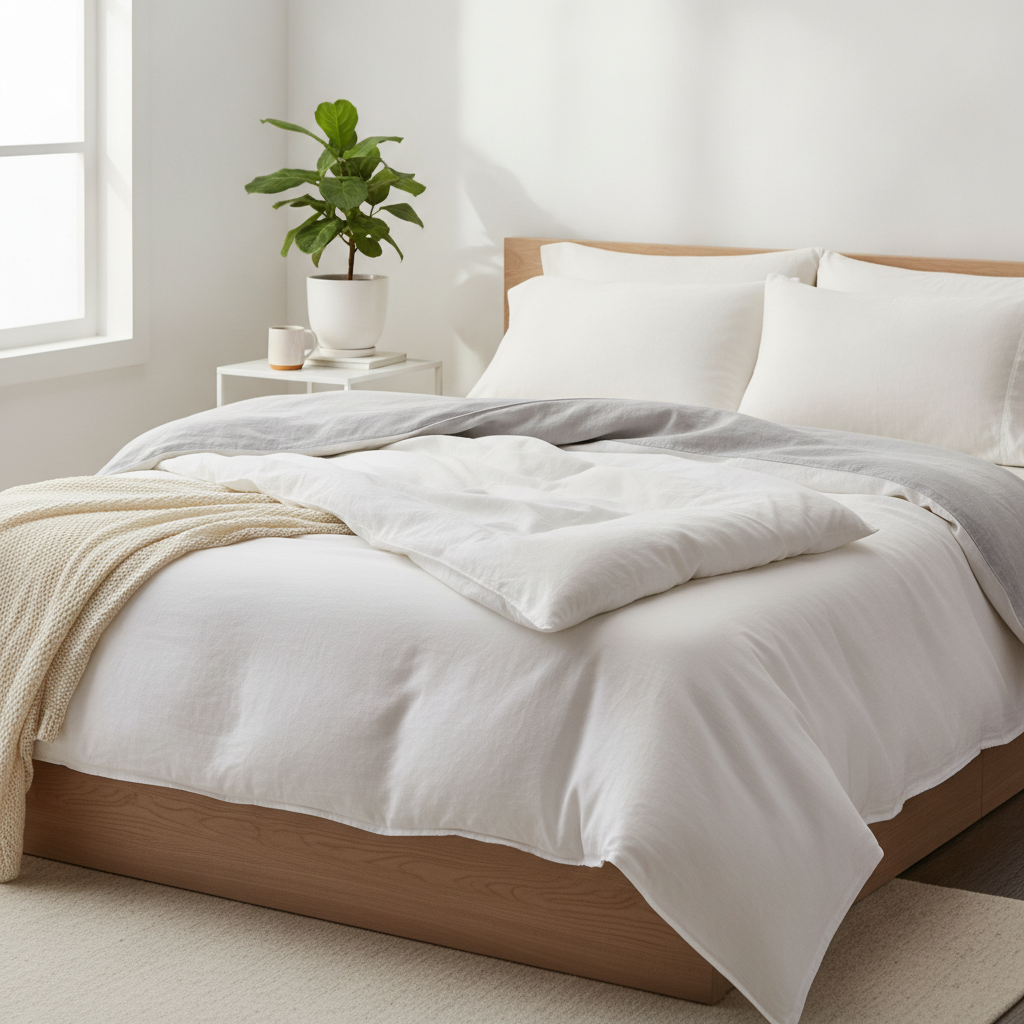
If you've ever woken up wrapped in a lumpy, migrated pile of down in one corner of your comforter while the rest of the bed sits cold and bare, you already understand the appeal of a latex duvet insert. Unlike traditional down or loose synthetic fills, a latex duvet insert uses naturally resilient, open-cell latex to hold its shape, distribute weight evenly, and resist the dust mites and mold that trigger allergy symptoms. For discerning homeowners who are tired of shifting, bunching, and unpredictable warmth, a latex duvet insert offers a structured, science-backed alternative worth understanding in detail.
TL;DR, The Bottom Line
A latex duvet insert uses natural or shredded latex fill to create a comforter that stays evenly distributed, resists dust mites and mold, and regulates temperature more predictably than down or polyfill. It's heavier and denser than down (roughly 5–7 lbs depending on size), but that added weight is precisely what prevents the shifting and bunching common in lighter inserts. For allergy-prone or hot-sleeping households, a latex duvet insert is one of the few fills that combines structure, breathability, and hypoallergenic performance in one package.
Quick Facts
- Typical fill weight (standard): approximately 5 lbs of shredded latex
- Typical fill weight (queen): approximately 6 lbs of shredded latex
- Typical fill weight (king): approximately 7 lbs of shredded latex
- Dust mite reduction (Talalay latex, 4 weeks): 60–75% reduction in lab testing
- Dust mite reduction (memory foam, for comparison): less than 2%
- Core material: natural latex foam, often paired with wool or cotton for a hybrid loft
What Is a Latex Duvet Insert, and How Is It Made?
A latex duvet insert is a comforter core built around natural latex, typically harvested from rubber tree sap and processed into either a solid foam sheet or shredded pieces. Manufacturers use three primary construction methods:
- Shredded latex fill stuffed into quilted boxes or channels, similar in concept to shredded memory foam pillows but with more structure and bounce-back.
- Thin latex pads or layers encased in breathable fabric, often combined with a lofting fiber like wool for a softer top feel.
- Hybrid constructions that pair a latex core for shape retention with a plush overlay of down alternative or natural fiber for a cloud-like exterior.
What unites all three approaches is the latex duvet insert's core value proposition: structure. Because latex foam has memory and resilience, it naturally resists the clumping and drifting that plagues loose-fill comforters. This is a meaningful departure from the loose-fiber logic of most traditional duvets, and it's why Sierra Dreams considers latex one of the more promising natural materials in the modern bedding category.
No. While both use latex foam, a latex duvet insert is designed as a lightweight-to-mid-weight comforter for warmth on top of the body, while a latex topper is a dense, supportive layer placed under a fitted sheet for pressure relief. The latex used in duvet inserts is typically shredded or thinly layered specifically to allow airflow and drape.
Weight Explained: How Heavy Is a Latex Duvet Insert?
One of the most common questions homeowners ask before switching is simple: does a latex duvet insert feel heavy in bed? The honest answer is that it depends on construction, but latex is inherently denser than down and most hollow synthetic fibers, so a latex duvet insert will generally feel more substantial than a classic down comforter of the same size.
As a rough benchmark, shredded latex fill used in pillows, a useful proxy for duvet fill density, runs approximately 5 lbs in a standard size, 6 lbs in a queen, and 7 lbs in a king. Duvet inserts scale similarly, meaning a queen-size latex duvet insert will typically weigh noticeably more than an all-down equivalent, though less than a heavy wool or cotton-batting comforter.
| Fill Type | Approx. Weight (Queen) | Shift/Bunch Tendency |
|---|---|---|
| Down | 2–3 lbs | High, prone to migration |
| Polyester fill | 4–5 lbs | Moderate, clumps over time |
| Latex duvet insert | 5–6 lbs | Low, structured, holds shape |
| Wool | 6–8 lbs | Low, but can feel dense |
This added weight is not a drawback, it's a feature. The density of a latex duvet insert is precisely what keeps the fill evenly distributed inside the shell, rather than sliding toward one corner overnight. For sleepers who have battled a shifting comforter for years, that predictable weight can feel like a revelation the first night.

Warmth and Temperature Regulation: Does a Latex Duvet Insert Sleep Hot or Cool?
Warmth is where a latex duvet insert distinguishes itself most clearly from both down and synthetic alternatives. Natural latex has an open-cell structure that allows air to move through the material, giving it a temperature-regulating quality often compared to wool. This means a latex duvet insert traps enough heat to keep sleepers warm through the night, while still allowing excess heat and moisture to escape rather than being sealed in against the skin.
Compare this to the two most common alternatives:
- Down is extremely warm for its weight but can create hot spots, and it loses insulating power when it absorbs moisture.
- Synthetic down-alternative fill can match down's warmth, but usually requires significantly more fill volume to do so, which adds weight without adding breathability.
- A latex duvet insert delivers steady, even warmth with better airflow, which is particularly valuable for sleepers who run hot, live in humid climates, or share a bed with a partner who prefers a cooler sleeping surface.
In practical terms, a latex duvet insert tends to perform best as an all-season or three-season option rather than an ultra-heavy winter comforter, though heavier latex-and-wool hybrid constructions can extend its range into colder climates.
Generally, no. Because natural latex is open-cell and breathable, a latex duvet insert allows more airflow than solid synthetic fills, which helps prevent the trapped-heat sensation common with tightly woven polyester comforters. Sleepers who run hot often find latex more comfortable than down of equivalent warmth.
Latex Duvet Insert vs. Allergies: Hypoallergenic Performance
For allergy-conscious households, the case for a latex duvet insert is compelling. Natural latex is inherently resistant to dust mites, mold, and mildew, largely because of its dense, open-cell structure and natural antimicrobial properties. Independent testing on Talalay-processed latex foam found a 60–75% reduction in dust mite populations over four weeks, compared to only about 11% reduction in natural Dunlop foam and less than 2% in standard memory foam. That is a meaningful difference for anyone whose allergies flare up seasonally or nightly.
It's worth noting one important caveat: a small percentage of the population has a genuine latex allergy, typically related to the proteins found in natural rubber latex. For these individuals, a latex duvet insert is not recommended regardless of its other benefits. For everyone else, latex remains one of the more allergy-friendly natural fill options on the market, alongside wool and certain plant-based fibers.

Latex Duvet Insert vs. Down and Synthetic Fills: A Side-by-Side Comparison
Choosing between fill types often comes down to prioritizing warmth, weight, allergy sensitivity, or maintenance. Here's how a latex duvet insert stacks up against the two most common alternatives homeowners are usually comparing it to.
| Feature | Down | Synthetic (Polyfill) | Latex Duvet Insert |
|---|---|---|---|
| Warmth-to-weight ratio | Excellent | Good, but heavier for equal warmth | Good, with better airflow |
| Shifting/bunching risk | High | Moderate | Low |
| Allergy-friendliness | Poor (unless treated) | Moderate | Excellent (except true latex allergy) |
| Moisture handling | Poor when damp | Moderate | Excellent |
| Longevity/durability | Moderate | Lower | High |
The takeaway is straightforward: a latex duvet insert won't necessarily out-warm a premium down comforter ounce for ounce, but it consistently outperforms both down and synthetic fills on structure, moisture management, and allergy resistance, the three factors most likely to cause nightly frustration.
How to Choose the Right Latex Duvet Insert for Your Bedroom
Selecting a latex duvet insert isn't just about picking a size. Fill density, construction style, and shell fabric all affect how the insert performs night to night. Use the following steps to narrow down the right option.
- Identify your temperature needs first. If you sleep hot or live in a humid climate, prioritize a lighter, all-season latex duvet insert with maximum airflow. If you need more warmth, look for a latex-and-wool hybrid construction.
- Check the fill weight relative to your bed size. A queen-size latex duvet insert in the 5–6 lb range is typical; significantly lighter versions may sacrifice the structural benefits that make latex worthwhile.
- Inspect the quilting or channel construction. Box-stitched or channel-stitched designs keep shredded latex evenly distributed, reinforcing the anti-shifting benefits of the fill itself.
- Confirm certifications if allergies are a concern. Look for natural latex sourcing free of synthetic fillers, and verify there's no added latex-adjacent chemical treatment if sensitivities are a factor.
- Pair it with a breathable duvet cover. Even the best latex duvet insert benefits from a cotton or linen cover that supports the material's natural airflow rather than trapping heat.
Sierra Dreams designs bedding systems specifically to solve the shifting and bunching problems that drive many homeowners toward alternative fills in the first place. If you're evaluating a latex duvet insert as part of a broader bedding refresh, it's worth exploring how insert weight, cover construction, and closure systems all work together, you can browse the full range of options at Sierra Dreams.


Caring for a Latex Duvet Insert: Maintenance and Longevity
Proper care extends the life of a latex duvet insert considerably, and the maintenance routine is simpler than many buyers expect.
- Spot clean when possible. Latex foam should not be machine washed or submerged; use a damp cloth and mild detergent for surface stains.
- Air it out regularly. Because latex is naturally moisture-resistant, occasional airing (rather than washing) helps maintain freshness without breaking down the foam structure.
- Use a breathable duvet cover. A cover protects the latex duvet insert from body oils and sweat while preserving airflow, extending both hygiene and lifespan.
- Avoid direct sunlight for extended periods. UV exposure can degrade natural latex over time, so store or dry the insert away from direct sun when airing it out.
- Rotate seasonally if you own multiple weights. Many households pair a lighter latex duvet insert for summer with a heavier hybrid version for winter, rotating them like they would swap sheet weights.
With reasonable care, a well-constructed latex duvet insert can outlast several generations of down or polyfill comforters, which helps offset its typically higher upfront cost.

Is a Latex Duvet Insert Worth the Investment?
For most discerning homeowners dealing with shifting comforters, allergy flare-ups, or unpredictable overheating, a latex duvet insert addresses all three problems simultaneously in a way few single-material fills can. It won't be the lightest option on the market, and it isn't suitable for people with a true latex allergy, but for everyone else it represents a durable, structured, and breathable upgrade over conventional down or synthetic fills.
As one industry review of natural bedding materials put it: "Latex's open-cell structure gives it a rare combination of firmness and breathability that few other natural fills can match." That combination is exactly what makes a latex duvet insert worth serious consideration for anyone rebuilding their sleep setup from the ground up.
Frequently Asked Questions
What is a latex duvet insert made of?
A latex duvet insert is typically made from natural latex foam, harvested from rubber tree sap, either as shredded fill or thin layered pads. It's often paired with wool or cotton in hybrid constructions to add softness while keeping the structural benefits of latex.
Is a latex duvet insert good for people with allergies?
Yes, for most people. Natural latex is dust-mite resistant, antimicrobial, and mold-resistant, making a latex duvet insert one of the better options for allergy-prone sleepers. The exception is individuals with a diagnosed latex allergy, who should avoid latex bedding products entirely.
How heavy is a latex duvet insert compared to down?
A latex duvet insert generally weighs more than a comparable down comforter, often in the 5–7 lb range for queen-to-king sizes, compared to roughly 2–3 lbs for down. This added weight helps keep the fill evenly distributed and reduces shifting.
Does a latex duvet insert sleep hot?
Not typically. Natural latex has an open-cell structure that promotes airflow, giving a latex duvet insert temperature-regulating properties similar to wool. Most sleepers find it warmer than nothing but cooler and more breathable than dense synthetic fills.
Can a latex duvet insert stop my comforter from bunching?
Yes, this is one of its primary advantages. The density and resilience of latex resist the migration that causes loose down or polyfill to clump in corners, especially when paired with quilted box-stitch construction that keeps the fill evenly contained.
How long does a latex duvet insert last?
With proper spot-cleaning and occasional airing, a well-made latex duvet insert can last significantly longer than standard down or polyfill comforters, often outperforming them in structural integrity after years of use.
Final Thoughts on Choosing a Latex Duvet Insert
Switching to a latex duvet insert is less about chasing a trend and more about solving specific, everyday sleep frustrations: shifting fill, unpredictable warmth, and allergy sensitivity. The material's natural density keeps everything in place, its open-cell structure supports better temperature regulation, and its dust-mite resistance makes it a smart choice for allergy-conscious households. If you've spent years re-fluffing a lopsided comforter or waking up sneezing, a latex duvet insert may be the upgrade your bedroom has been missing.
Ready to explore bedding built around structure, comfort, and allergy-conscious materials? Visit Sierra Dreams to see how our approach to duvet inserts and complete bedding systems can help you finally get a full night of undisturbed, evenly distributed sleep.