How to Keep Sheets Tucked In: Methods That Actually Hold
September 18, 2026 · 13 min read
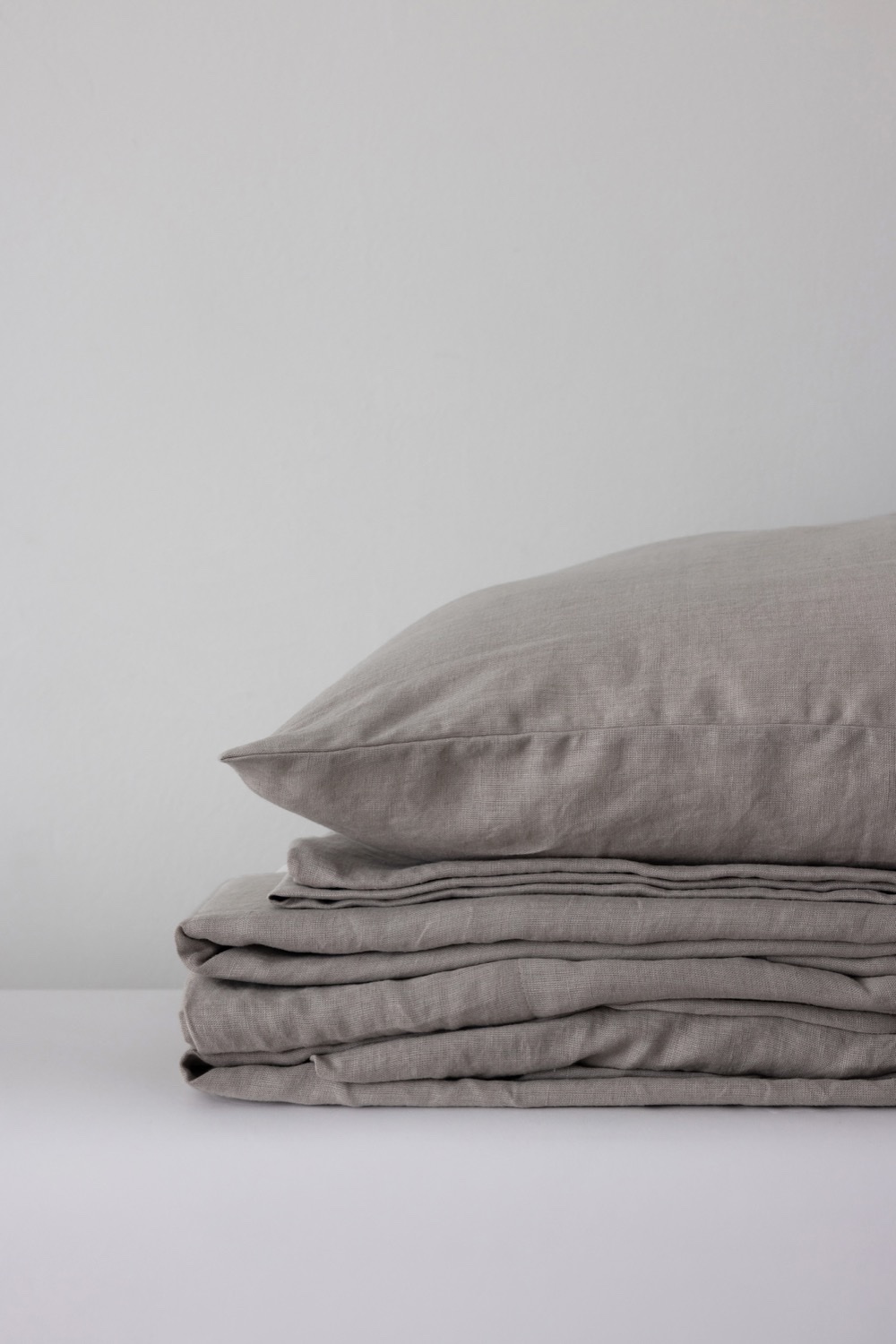
If you've ever woken up tangled in a loose fitted sheet or found your flat sheet balled up at the foot of the bed, you already know that learning how to keep sheets tucked in isn't just a nice-to-have, it's essential to a genuinely restful night. The good news is that keeping sheets tucked in reliably comes down to a predictable combination of technique, engineering, and, when needed, a bit of smart anchoring. This guide breaks down exactly how to keep sheets tucked in using methods that hold up to real-world sleep, not just a made bed photo.
TL;DR, The Bottom Line
The most reliable way to keep sheets tucked in combines three things: proper tucking technique (hospital corners or a full-perimeter envelope tuck), fitted sheets engineered with deep pockets and continuous elastic, and, when necessary, discreet anchoring accessories like sheet straps or clips. Master all three, and sheets stay put through a full night of movement, no 3 a.m. re-tucking required.
Quick Facts
- Ideal fitted sheet pocket depth: 2–4 inches deeper than your mattress-plus-topper height, often 18–22 inches for modern beds
- Hospital corner fold angle: 45 degrees, tucked 12–16 inches from the foot of the bed
- Minimum tuck depth for flat sheets: At least 6 inches under the mattress for a secure hold
- Elastic type that resists popping: Continuous, wide, all-around banding rather than corner-only elastic
- Common failure point: Slack zones at the foot and sides where bunching typically starts first
What It Really Means to Keep Sheets Tucked In
When people search for how to keep sheets tucked in, they're usually dealing with one of two distinct problems: flat sheets that untuck from the sides and foot of the bed, or fitted sheets that pop off the mattress corners overnight. These are related but separate issues, and each has its own set of proven fixes.
Flat sheet slippage is largely a technique problem, it's about how the fabric is folded and secured. Fitted sheet slippage, on the other hand, is primarily an engineering problem tied to pocket depth, elastic quality, and mattress height. Understanding this distinction is the first step toward a bed that actually stays made, night after night.
Quotable insight: Most sheet-shifting complaints trace back to a mismatch between mattress thickness and sheet pocket depth, not to "bad" sheets or restless sleepers.
The Hospital Corner Method: The Gold Standard for Flat Sheets
If you're wondering how to keep sheets tucked in without buying a single new product, start here. Hospital corners remain the most reliable manual technique for securing a flat sheet, and hotel housekeeping teams have used this method for decades because it works.
Step-by-Step Hospital Corner Technique
- Initial tuck: Drape the flat sheet evenly over the mattress, then tuck the excess firmly under the mattress at the foot of the bed first.
- Lift and angle: At each corner, lift the hanging fabric roughly 12–16 inches from the foot of the bed, creating a clean triangular flap at about a 45-degree angle.
- Tuck the base: While holding the triangle up and out of the way, tuck the remaining lower section of hanging fabric tightly under the mattress.
- Drop and finish: Lower the triangular flap down against the mattress side and tuck it in as well, creating a crisp, closed corner.
This fold creates a mechanical lock, the layered fabric essentially wedges itself under the mattress weight, which is exactly why it resists sliding even during restless sleep. If you're serious about how to keep sheets tucked in every single night, this technique should be your foundation, applied at all four corners rather than just the two at the foot of the bed.

Yes, but they work best when paired with adequate sheet size. On very thick mattresses, make sure your flat sheet has enough overhang (typically at least 15–20 extra inches beyond the mattress dimensions) so there's sufficient fabric to fold and tuck without pulling the sheet tight across the top.
The Envelope Tuck: A Full-Perimeter Approach
For homeowners who want an even more secure hold, the envelope tuck, sometimes called a full-perimeter tuck, goes beyond corners alone. Instead of only anchoring the four corners, you tuck the sheet continuously along the entire side and foot of the mattress.
How to Do a Full-Perimeter Envelope Tuck
- Lift one side of the mattress slightly (a second person helps here) and tuck the flat sheet not just at the corners, but along the full length of each side.
- Fold excess fabric down at a 45-degree angle at regular intervals, rather than only at the corners.
- Tuck each fold at least 6 inches under the mattress, shallower tucks are the number one reason sheets work themselves loose by morning.
- Repeat along the foot of the bed, connecting the tuck seamlessly into your hospital corners.
This method eliminates the "slack zones" along the middle of the sides and foot where standard corner-only tucking often leaves loose fabric. Those slack zones are typically where bunching starts, then spreads across the bed as you move during sleep. If your goal is understanding how to keep sheets tucked in for the entire week between washes, the envelope tuck is worth the extra two minutes it takes to execute.
Finishing Techniques That Lock In the Tuck
Technique matters just as much in the finishing as in the folding. A few small habits dramatically improve how well a tuck holds:
- The palm press: After tucking, run the flat of your hand under the mattress edge, pushing the sheet deep and flat from the center outward toward each corner. This eliminates air gaps that create loose pockets.
- The diagonal pull: Gently tug the sheet fabric diagonally from corner to corner across the top of the mattress to smooth out bubbles and uneven tension before your final tuck.
- The forearm flatten: Use your forearm to press the sheet surface flush against the mattress, working from the center toward the edges.
These finishing moves aren't just cosmetic, they increase the surface friction between sheet and mattress, which is a major factor in whether a tuck survives a full night of tossing and turning.
Why Fitted Sheets Pop Off (and How to Fix It for Good)
Flat sheet technique only solves half the problem. If you're still asking how to keep sheets tucked in and your fitted sheet corners keep popping loose, the issue is almost always pocket depth or elastic quality, not your sleeping habits.
Pocket Depth Is the Real Culprit
Modern mattresses, especially those paired with a mattress topper or a waterproof protector, are often 12–18 inches thick before you even add bedding. A standard fitted sheet with a 10–14 inch pocket simply cannot stretch far enough to stay anchored under that combined height. As a rule of thumb, your fitted sheet pocket should be 2–4 inches deeper than your total mattress-plus-topper height.
| Mattress + Topper Height | Recommended Pocket Depth | Typical Fit Result |
|---|---|---|
| 8–11 inches | 14–16 inches | Standard fit, adequate for platform beds |
| 12–15 inches | 16–18 inches | Deep pocket, secure on most modern mattresses |
| 16–20 inches | 18–22 inches | Extra-deep pocket, needed for pillow tops and thick toppers |
Elastic Quality Matters as Much as Depth
A deep pocket paired with weak or corner-only elastic will still slip. Look for continuous, all-around elastic banding that distributes tension evenly around the full perimeter of the sheet rather than concentrating it at four points. Wide, durable elastic resists overstretching over repeated washes, which preserves the fitted sheet's grip for years rather than months. Washing in cool water and air-drying when possible also helps elastic maintain its recoil, so your fitted sheet keeps its tight, anchored fit wash after wash.
If the corners visibly stretch tight and thin across the mattress edge, or if they pop off within the first hour of sleep, your pocket depth is too shallow for your mattress height. Measure your mattress from top to bottom, add any topper thickness, and compare that total to your sheet's stated pocket depth before buying a replacement.
Anchoring Accessories: When Technique Isn't Enough
Even with excellent tucking technique and well-fitted sheets, some sleepers, particularly those who move a lot, share a bed, or have pets on the mattress, benefit from an added layer of security. This is where anchoring accessories come in, and they remain one of the most practical answers to how to keep sheets tucked in for households with extra movement overnight.
- Sheet straps and clips: Elastic bands with metal or plastic clips that attach diagonally under the mattress, connecting each corner of the fitted or flat sheet for reinforced tension.
- Criss-cross suspender systems: A single elastic web that stretches under the entire mattress, gripping all four corners simultaneously for even, balanced tension.
- Triangle corner grippers: Small, low-profile clips that hold the folded triangle of a hospital corner in place, reinforcing the manual tuck.
The tradeoff with most accessory-based solutions is discretion, many are visibly bulky or require crawling under the bed to install and adjust. For homeowners who want the reinforcement without sacrificing a clean, hotel-caliber look, choosing bedding designed with integrated, low-profile anchoring built into the fit is a more elegant long-term solution than clipping on separate hardware.


Choosing Sheets Engineered to Stay Tucked In
Technique and accessories can only go so far if the sheets themselves aren't built for a secure fit. When shopping for bedding, discerning homeowners should prioritize three engineering factors that directly determine how to keep sheets tucked in without daily re-adjustment:
- Verified pocket depth: Confirm the stated pocket depth against your actual mattress-plus-topper measurement rather than assuming "deep pocket" labeling is standardized across brands.
- Continuous elastic construction: Full-perimeter elastic outperforms corner-only elastic for both initial fit and long-term durability through repeated wash cycles.
- Fabric weight and weave: Slightly heavier, tightly woven fabrics tend to grip mattress surfaces with more friction than very lightweight, slippery weaves, reducing shifting even before a tuck is applied.
At Sierra Dreams, our bedding is designed around exactly these principles, deep, verified pocket sizing and durable, all-around elastic construction that's built to hold its shape wash after wash. If you're upgrading your linen closet specifically to solve shifting and bunching, it's worth browsing Sierra Dreams for sheet sets engineered with fit precision in mind from the start.
For fitted sheets, well-engineered pocket depth and elastic can largely eliminate manual tucking since the sheet is designed to wrap securely under the mattress on its own. Flat sheets, however, still benefit from hospital corners or an envelope tuck regardless of fabric quality, since they aren't fitted to the mattress shape.
A Simple Nightly Routine for a Bed That Stays Made
Once you understand how to keep sheets tucked in using the right combination of technique and materials, maintaining it becomes a quick habit rather than a chore:
- Fit the bottom sheet fully around all four corners before adding the flat sheet, checking that elastic sits snugly under the mattress edge rather than just gripping the top corner.
- Apply hospital corners or a full-perimeter envelope tuck to the flat sheet, tucking at least 6 inches of fabric under the mattress at every point.
- Finish with a palm press and diagonal pull to remove air gaps and even out tension across the surface.
- Re-check corners weekly, especially after washing, since fabric and elastic can shift slightly through laundering cycles.
This routine takes only a few extra minutes but pays off every single night in fewer 3 a.m. re-tucks and a noticeably more comfortable, hotel-quality sleep surface.
Frequently Asked Questions
What is the best way to keep sheets tucked in?
The most reliable approach combines proper technique, hospital corners or a full-perimeter envelope tuck, with well-fitted bedding that has adequate pocket depth and continuous elastic. Technique alone can loosen over a restless night, while good engineering alone doesn't address flat sheet slippage, so the two work best together.
How do you keep a flat sheet tucked in all night?
Use hospital corners at all four corners, tucking a minimum of 6 inches of fabric under the mattress at each fold. For extra security, extend the tuck along the full length of each side and the foot of the bed using the envelope tuck method, then finish with a palm press to eliminate loose air pockets.
Why do fitted sheets keep popping off the corners?
This almost always comes down to insufficient pocket depth relative to mattress and topper thickness, or elastic that's too weak, too narrow, or concentrated only at the corners rather than running the full perimeter of the sheet.
What pocket depth do I need to keep sheets tucked in on a thick mattress?
As a general guideline, choose a fitted sheet pocket depth that is 2–4 inches deeper than your combined mattress and topper height. Most modern mattresses with a topper require an 18–22 inch pocket depth for a secure, lasting fit.
Are sheet straps or clips worth using?
They can be a helpful reinforcement, particularly for shared beds, active sleepers, or households with pets on the mattress. However, well-engineered sheets with deep pockets and continuous elastic often make separate accessories unnecessary for most sleepers.
Final Thoughts: Make How to Keep Sheets Tucked In a Non-Issue
Learning how to keep sheets tucked in doesn't require a complicated overhaul of your bedtime routine, it requires the right combination of proven folding technique and properly engineered bedding. Master hospital corners and the envelope tuck for your flat sheet, verify your fitted sheet's pocket depth and elastic quality against your actual mattress dimensions, and add discreet anchoring only if your household genuinely needs the extra hold.
If you're ready to stop fighting with slipping corners and bunched fabric every morning, explore the fitted and flat sheet sets at Sierra Dreams, designed with verified deep pockets and durable, all-around elastic construction built to hold through even the most restless nights.