Tongue Tie Causing Sleep Problems Adults: Full Guide
May 14, 2026 · 13 min read

TL;DR — The Bottom Line
Tongue tie causing sleep problems in adults is a real, underdiagnosed condition where a restricted lingual frenulum prevents the tongue from resting properly on the palate, leading to airway obstruction, snoring, and obstructive sleep apnea. Treatment combining a frenectomy (tongue tie release) with myofunctional therapy can significantly improve sleep quality, reduce snoring, and restore daytime energy. If you've struggled with poor sleep and haven't found answers, an undiagnosed tongue tie may be the missing piece.
Quick Facts
- Adult Prevalence: An estimated 4–10% of adults have an untreated tongue tie persisting from childhood
- OSA Connection: Adults with restricted tongue mobility have a measurably higher risk of obstructive sleep apnea
- Sleep Quality Impact: Research suggests mouth breathers — a hallmark of tongue tie — get up to 25% less REM and deep sleep
- Post-Treatment Improvement: Studies and clinical reports indicate 50–70% of patients report better sleep and reduced snoring after frenectomy combined with therapy
- Health Stakes: Untreated obstructive sleep apnea linked to tongue tie is associated with a 2–3x higher risk of hypertension and stroke
- Treatment Standard: Laser frenectomy paired with myofunctional therapy is the current gold-standard approach for adults
If you wake up exhausted after a full night in bed, snore loudly, or struggle with brain fog no amount of sleep seems to fix, you might be surprised to learn that a small piece of tissue under your tongue could be responsible. Tongue tie causing sleep problems in adults is one of the most overlooked contributors to poor sleep quality — and it affects far more people than most doctors realize. At Lakeland Tongue Tie, we see adults every week who spent years chasing answers only to discover that their lingual frenulum was silently sabotaging their rest. This comprehensive guide explains exactly how tongue tie disrupts adult sleep, what symptoms to look for, what the research says, and what your treatment options are.
What Is Tongue Tie and Why Does It Persist Into Adulthood?
Most people associate tongue tie with newborns struggling to breastfeed or toddlers with speech delays. But tongue tie is a structural condition, not a developmental phase. Without intervention, it doesn't resolve on its own. Research suggests that between 4 and 10 percent of adults are living with an untreated tongue tie they may never have known about — either because it was missed in childhood or because the symptoms were attributed to other causes.
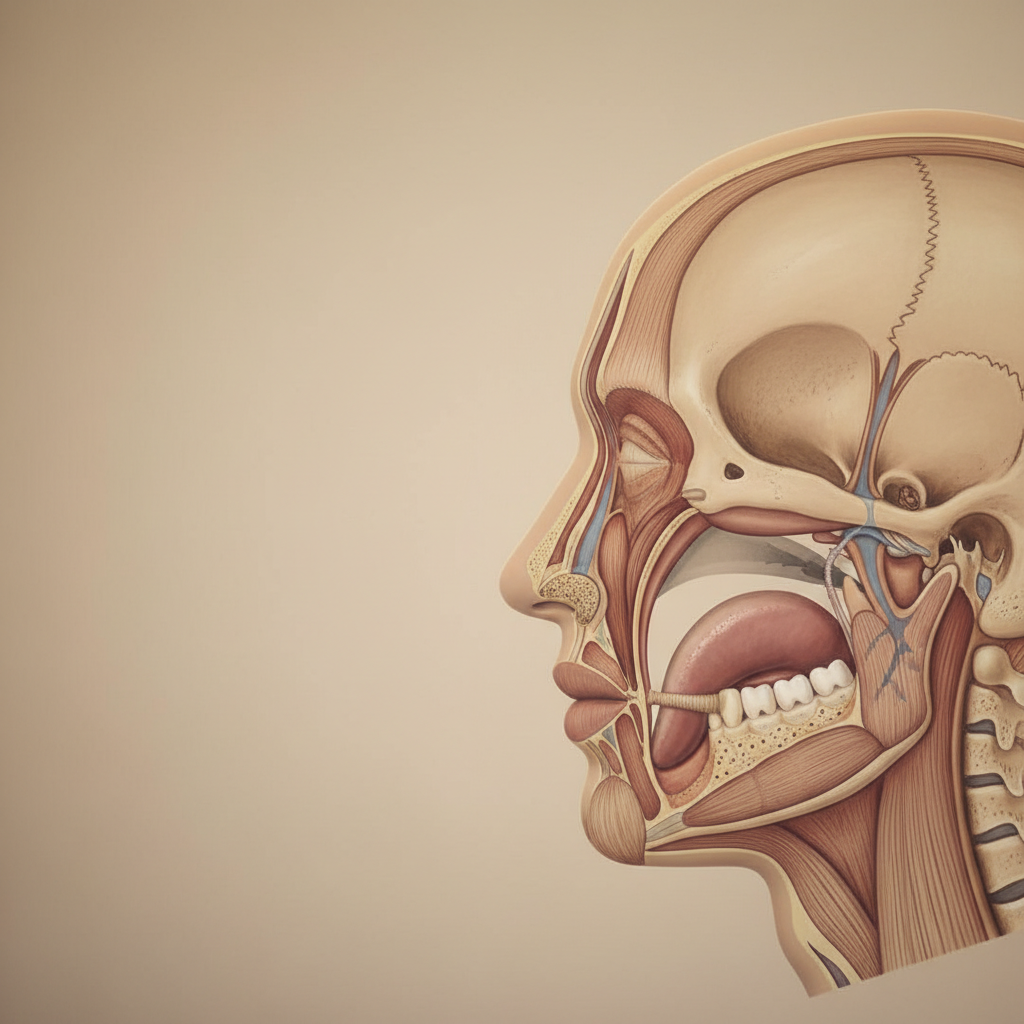
When the lingual frenulum is too restrictive, the tongue cannot lift to the palate and maintain a proper resting posture. In children, this quietly reshapes craniofacial development over years — narrowing the palate, altering jaw alignment, and creating the anatomical conditions for breathing dysfunction. By the time these children reach adulthood, the structural changes are established, and tongue tie causing sleep problems in adults becomes a very real daily reality.
Adults with tongue tie often don't connect their chronic fatigue, snoring, or restless nights to their frenulum. They may have been diagnosed with anxiety, ADHD-like symptoms, or simply told they're "not a good sleeper." Understanding the biomechanical link between tongue posture and airway health is the first step toward real answers.
How Tongue Tie Causes Sleep Problems in Adults
The connection between tongue tie and disrupted sleep comes down to one central mechanism: airway compromise. When the tongue cannot rest on the palate — its natural, optimal position — it defaults to a low posture in the floor of the mouth. During waking hours, this causes issues with speech, chewing, and swallowing. During sleep, the consequences become far more serious.
The Airway Obstruction Pathway
As the body relaxes into sleep, muscle tone decreases throughout the upper airway. For a person with a properly positioned tongue, the tongue stays relatively stable against the palate, keeping the airway open. For someone with tongue tie, the tongue — already resting low — falls further backward toward the throat. This narrows or partially blocks the airway, triggering the cycle of snoring, partial awakening, and reduced oxygen saturation that defines obstructive sleep apnea (OSA).
Studies have shown that restricted tongue mobility independently raises the odds of developing OSA. Research by Yuen and colleagues found a direct association between low tongue mobility scores and higher apnea-hypopnea index (AHI) readings — the clinical measure of sleep apnea severity. This makes tongue tie causing sleep problems in adults not just a quality-of-life issue, but a genuine health risk.
The Mouth Breathing Cycle
Tongue tie also drives mouth breathing, which compounds sleep disruption further. When the tongue sits low and forward motion is limited, nasal breathing becomes more effortful. The body compensates by defaulting to mouth breathing — especially during sleep. Mouth breathing bypasses the nose's natural filtration, humidification, and nitric oxide production, all of which support deep, restorative sleep stages.
Research suggests that habitual mouth breathers experience approximately 25% less REM and deep sleep compared to nasal breathers. These are the sleep stages responsible for memory consolidation, cellular repair, and emotional regulation. Missing them night after night results in the kind of chronic, grinding fatigue that no amount of time in bed resolves.
Yes. Tongue tie restricts the tongue's ability to maintain a proper resting posture on the palate. During sleep, this causes the tongue to fall toward the throat, partially obstructing the airway — the same mechanism that drives obstructive sleep apnea. Multiple clinical studies, including work by Yuen et al., have linked restricted tongue mobility to higher OSA risk and severity scores.
Recognizing the Symptoms: Is Tongue Tie Disrupting Your Sleep?
One of the reasons tongue tie causing sleep problems in adults goes undiagnosed for so long is that its symptoms overlap with many other conditions. Adults often cycle through multiple specialists — pulmonologists, ENTs, neurologists — before anyone examines the frenulum. Here are the key signs to look for:
Sleep-Related Symptoms
- Chronic, loud snoring
- Witnessed apneas (pauses in breathing observed by a partner)
- Waking unrefreshed despite 7–9 hours of sleep
- Frequent nighttime awakenings
- Excessive daytime sleepiness or need for naps
- Morning headaches (often caused by overnight oxygen dips)
- Night sweats and restless sleep
- Gasping or choking sensations during sleep
Waking-Hour Symptoms Linked to Tongue Tie
- Chronic jaw tension, TMJ pain, or neck stiffness
- Speech fatigue — difficulty speaking for extended periods
- Difficulty touching the tongue to the palate
- A tongue that appears heart-shaped or cannot extend past the lower teeth
- Chronic dental crowding or a high, narrow palate
- Brain fog, difficulty concentrating, or mood disturbances
- Mouth breathing, dry mouth, or waking with a sore throat
If several of these symptoms resonate, it's worth having your frenulum evaluated by a provider trained in adult tongue tie assessment. Many adults are surprised to discover the restriction has been there their entire lives. A qualified tongue tie specialist in Lakeland can assess your frenulum function and determine whether it's contributing to your sleep difficulties.
The Long-Term Health Consequences of Untreated Sleep-Related Tongue Tie
When tongue tie causing sleep problems in adults goes unaddressed, the downstream health effects extend well beyond feeling tired. Sleep is the body's primary restoration period. Consistent disruption — whether from full obstructive sleep apnea or the milder hypopneas and arousals caused by partial airway obstruction — has serious systemic consequences.
Research consistently links untreated OSA to a 2–3 times higher risk of hypertension, significantly elevated stroke risk, increased likelihood of cardiac arrhythmias, and impaired glucose metabolism that raises type 2 diabetes risk. The cognitive effects are equally significant: adults with untreated sleep-disordered breathing show accelerated cognitive decline, reduced executive function, and higher rates of depression and anxiety.
What makes tongue tie a particularly insidious driver of these outcomes is that it's structural — it doesn't fluctuate with weight, alcohol intake, or sleeping position the way other OSA risk factors do. It's a constant, 24-hour mechanical disadvantage that only a structural intervention can resolve.
Possibly. While OSA has multiple contributing factors — including weight, anatomy, and sleep position — tongue tie is an underdiagnosed structural contributor that standard sleep studies don't screen for. If you have a restricted lingual frenulum, your tongue's inability to maintain proper posture during sleep may be directly driving or worsening your apnea. A frenulum assessment alongside your sleep apnea workup can determine whether tongue tie is a factor in your case.
What the Research Says About Tongue Tie and Adult Sleep
The science connecting tongue tie causing sleep problems in adults is still maturing, but the evidence is building meaningfully. A landmark area of research examines how post-frenectomy changes in tongue posture affect sleep architecture and apnea severity.
Clinical reports and emerging studies, including work published in the context of Baxter et al.'s research and associated literature, show that adults who undergo frenectomy combined with myofunctional therapy experience measurable improvements in sleep quality — including tongues that now rest on the palate during sleep, reduced airway collapse, and lower AHI scores in follow-up sleep studies.
Yuen and colleagues documented that restricted tongue mobility independently predicted higher OSA severity, lending objective measurement to what clinicians had observed anecdotally. Bussi et al. reported improved sleep outcomes linked to postural improvements following frenulum release.
A registered clinical trial (ISRCTN17260595) is currently investigating whether adult ankyloglossia treatment can directly resolve OSA, building on promising pediatric and adult observational data. The results are anticipated to provide the kind of randomized controlled evidence that will bring tongue tie assessment into mainstream sleep medicine protocols.
It's important to note that the research community includes cautious voices as well. Some reviews have highlighted the need for more rigorous randomized controlled trials before frenectomy can be recommended as a standalone OSA treatment. The emerging consensus is clear: frenectomy is most effective as part of an integrated approach that includes myofunctional therapy, and patient selection matters. Not every case of OSA involves tongue tie — but when it does, addressing the structural restriction produces results that other interventions cannot achieve alone.
Treatment Options: From Frenectomy to Myofunctional Therapy
If assessment confirms that tongue tie is contributing to your sleep problems, treatment involves two complementary components: releasing the structural restriction and retraining the neuromuscular patterns that developed around it.
Step 1: Comprehensive Assessment
Before any procedure, a thorough evaluation should examine frenulum attachment, tongue mobility range, resting posture, swallowing pattern, and how these factors interact with your breathing and sleep symptoms. At Lakeland Tongue Tie, our assessments are designed to connect the structural findings to your specific symptoms — including sleep disruption — so you have a clear picture of what's happening and what to expect from treatment.
Step 2: Laser Frenectomy
The frenectomy — the release of the restrictive frenulum tissue — is the structural foundation of treatment. Modern CO2 laser frenectomy is the preferred method for adult procedures. The laser offers exceptional precision, minimal bleeding, reduced post-operative discomfort compared to traditional scissor techniques, and faster healing. The procedure itself is typically completed in under fifteen minutes in an office setting.
For a detailed comparison of your procedural options, our guide on laser frenectomy versus scissors breaks down the differences in technique, recovery, and outcomes.
Step 3: Myofunctional Therapy
This is where many adults make the mistake of stopping short. A frenectomy releases the restriction, but after years or decades of compensatory muscle patterns, the tongue doesn't automatically know how to rest in the correct position. Myofunctional therapy is a structured program of oral and facial exercises that retrains the tongue to rest on the palate, promotes nasal breathing, and establishes the correct swallowing pattern. Without this step, the full benefits of the frenectomy — including sleep improvements — may not be realized, and the tissue can re-restrict.
How-To: What to Expect From the Adult Tongue Tie Treatment Process
- Initial Consultation: A trained provider evaluates your frenulum, tongue mobility, resting posture, breathing pattern, and sleep symptoms to determine if tongue tie is a contributing factor.
- Pre-Surgical Myofunctional Therapy: Many providers recommend 4–6 weeks of preparatory exercises to begin activating the correct muscle patterns before release, improving post-surgical outcomes.
- Laser Frenectomy Procedure: The CO2 laser release is performed in-office under local anesthesia. Most adults return to normal activities within 24–48 hours.
- Post-Surgical Stretching Protocol: Daily wound-stretching exercises prevent the tissue from reattaching during healing — typically continued for 3–4 weeks.
- Ongoing Myofunctional Therapy: Continued therapy sessions over 3–6 months reinforce new tongue posture, breathing habits, and swallowing patterns.
- Follow-Up Sleep Assessment: For patients with diagnosed OSA or significant sleep symptoms, a follow-up sleep study 3–6 months post-treatment helps quantify improvements in airway function.
For a complete breakdown of the exercises that support recovery and maximize results, our oral motor exercises after frenectomy guide provides step-by-step instruction for each phase of the healing process.
What Patients Experience After Treatment
Clinical aggregates and patient reports from practices specializing in adult tongue tie treatment consistently point to meaningful improvements in sleep following frenectomy plus therapy. Research suggests that 50–70% of adult patients report reduced snoring and improved sleep quality following the combined treatment approach. Many describe the first nights of truly restful sleep in years — waking without headaches, feeling genuinely refreshed, and noticing that their partner reports the snoring has dramatically reduced or stopped.
The timeline varies. Some adults notice sleep improvements within weeks of the procedure as airway dynamics shift with the tongue's new mobility. For others, particularly those with established OSA and significant compensatory patterns, the full benefit emerges over the 3–6 months of concurrent myofunctional therapy as the tongue learns and maintains its correct resting posture consistently through the night.
"For adults who have been told their fatigue is just stress or aging, discovering that tongue tie causing sleep problems is a treatable structural issue — not a life sentence — changes everything."
Frequently Asked Questions About Tongue Tie and Sleep in Adults
Can tongue tie cause sleep apnea in adults?
Yes. Tongue tie restricts the tongue's ability to rest on the palate, causing it to fall backward during sleep and partially obstruct the airway. This is one of the core mechanisms of obstructive sleep apnea. Research has linked restricted tongue mobility to higher OSA severity scores, and clinical studies show that frenectomy combined with myofunctional therapy can reduce apnea-hypopnea index readings and improve sleep quality in affected adults.
How do I know if my snoring is caused by tongue tie?
Key indicators that tongue tie may be contributing to your snoring include: a tongue that cannot comfortably reach the palate, a history of mouth breathing, morning headaches, chronic jaw or neck tension, and snoring that worsens when sleeping on your back. A functional frenulum assessment by a trained provider can determine whether your tongue's restricted mobility is contributing to the airway dynamics that cause snoring.
Is it too late to treat tongue tie as an adult?
It is never too late to treat tongue tie. While early intervention during infancy or childhood prevents the downstream craniofacial and airway changes from developing, adult frenectomy combined with myofunctional therapy can still produce significant improvements in tongue function, breathing patterns, and sleep quality. Adults across a wide age range — from their twenties to their sixties — have reported meaningful sleep improvements following treatment.
Will a frenectomy cure my sleep apnea?
For adults whose OSA is driven primarily by tongue tie and the associated low tongue posture, frenectomy combined with myofunctional therapy can produce substantial improvement — in some cases resolving the apnea entirely, in others significantly reducing its severity. However, OSA is multifactorial, and tongue tie is one of several potential contributors. A comprehensive evaluation — including a sleep study and frenulum assessment — will clarify the role tongue tie plays in your specific situation and set realistic expectations for treatment outcomes.
What does adult tongue tie treatment involve and how long does it take?
Adult tongue tie treatment typically begins with a comprehensive assessment, followed by preparatory myofunctional therapy (4–6 weeks), the laser frenectomy procedure itself (a brief in-office appointment), a post-surgical stretching protocol (3–4 weeks), and ongoing myofunctional therapy (3–6 months). The full treatment arc spans approximately 6–9 months for most adults, with sleep improvements often beginning within weeks of the frenectomy and continuing to develop as therapy progresses.
Why Central Florida Adults Choose Lakeland Tongue Tie
Lakeland Tongue Tie serves adults, adolescents, children, and infants across Central Florida who are experiencing the real, daily impact of oral restrictions. Unlike many providers who focus exclusively on infant tongue tie for breastfeeding support, we take a lifespan approach — recognizing that tongue tie causing sleep problems in adults deserves the same attention, expertise, and integrated care as any other phase of life.
Our approach combines thorough functional assessment, precision CO2 laser frenectomy, and coordination with myofunctional therapists to give our adult patients the best possible foundation for lasting improvement. We understand that by the time most adults find us, they've already tried a lot of other things. We're here to help you connect the structural dots and finally get the sleep your body needs.
Conclusion: Don't Let an Overlooked Frenulum Steal Your Sleep
Tongue tie causing sleep problems in adults is a real, measurable, and treatable condition. A short or tight lingual frenulum that went unaddressed in childhood doesn't simply stop causing harm — it shapes your airway, your breathing patterns, and ultimately your sleep quality for decades. The fatigue, the snoring, the restless nights, and the brain fog you've normalized may have a structural answer you've never been offered.
The evidence is clear that frenectomy combined with myofunctional therapy can meaningfully improve sleep architecture, reduce apnea severity, and restore the kind of deep, restorative rest that makes everything else in life more manageable. You don't have to keep accepting poor sleep as your baseline.
If you're in Central Florida and suspect that tongue tie may be contributing to your sleep problems, we invite you to schedule a comprehensive assessment with Lakeland Tongue Tie. Our team is experienced in evaluating adults, connecting your symptoms to their structural source, and guiding you through a treatment plan designed to produce real, lasting results. Your best sleep may be closer than you think.