Understanding Home Appraisal Process Tampa Bay Guide
June 1, 2026 · 13 min read
TL;DR — The Bottom Line
Understanding the home appraisal process in Tampa Bay is critical for sellers because the appraisal — not the contract price — often determines whether a financed deal closes. Tampa Bay appraisals weigh comparable sales, flood-zone exposure, roof and HVAC age, and permit history more heavily than cosmetic upgrades. Sellers who price against real comps, document improvements, and prepare the home for a focused 30–60 minute inspection consistently see appraisals support the contract price.
For Tampa Bay sellers, understanding home appraisal process Tampa Bay rules and expectations is the difference between a smooth closing and a last-minute renegotiation. After the contract is signed, the buyer's lender orders an independent appraisal to confirm the home is worth what the buyer agreed to pay. If the number comes in low, the deal can stall, the price can drop, or the buyer may walk. This guide breaks down exactly how the process works in the Tampa Bay market, what local factors influence value, and how to prepare your home so the appraiser has every reason to support your price.
Quick Facts
- Who orders it: The buyer's mortgage lender
- Who pays: Typically the buyer, via closing costs
- Typical inspection time: 30 minutes to 1 hour on-site
- Turnaround in Tampa Bay: 3 to 7 days from inspection to report
- Primary valuation method: Sales comparison approach using recent local comps
- Top Tampa Bay value drivers: Square footage, roof age, flood zone, HVAC, school district, permits
Understanding Home Appraisal Process Tampa Bay: How It Actually Works
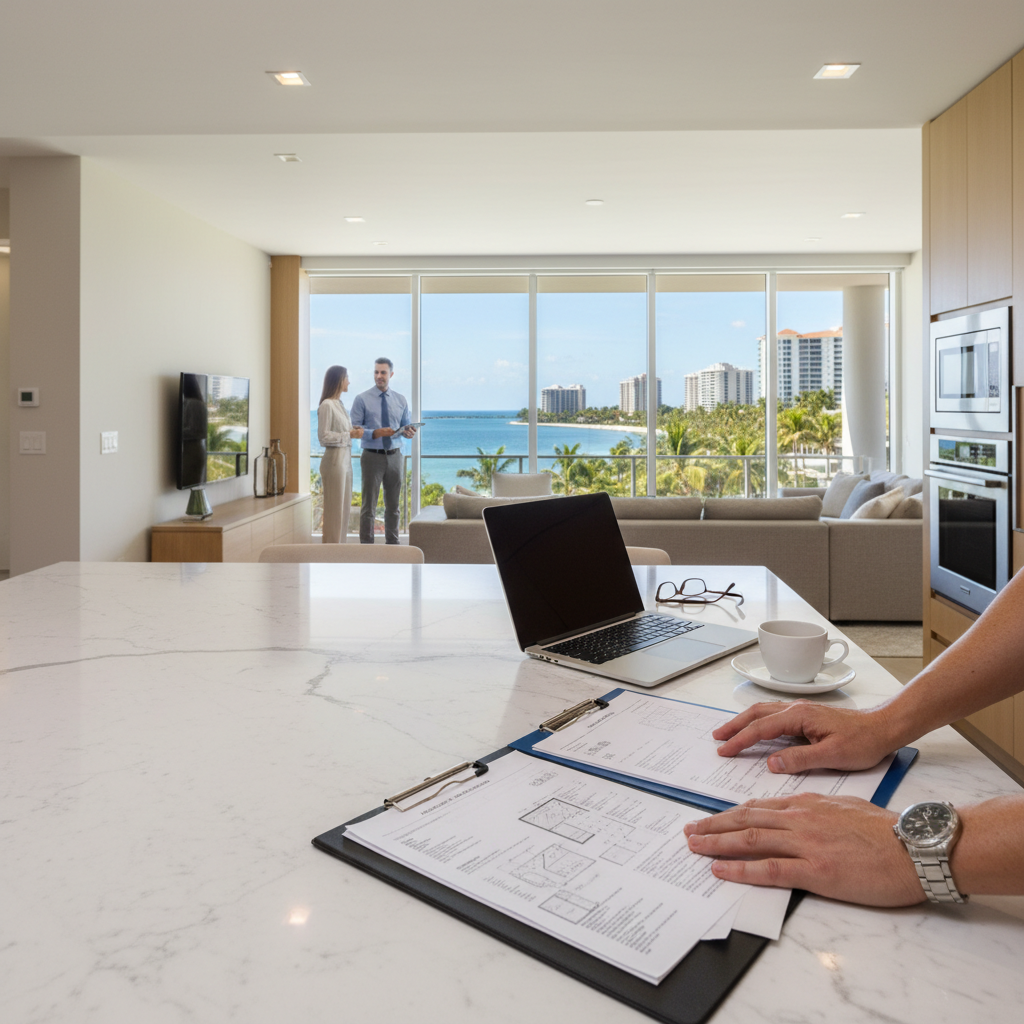
The appraisal is a lender-driven step that begins once the purchase contract is fully executed. The buyer's lender selects a licensed appraiser — usually through an Appraisal Management Company (AMC) — to protect against bias. The appraiser then schedules an on-site visit, typically lasting 30 minutes to one hour, to measure the home, photograph each room, evaluate condition, and note any features or defects.
After the visit, the appraiser pulls recent comparable sales ("comps") from the Multiple Listing Service, ideally within the past 90 days and within a one-mile radius. They make line-item adjustments for differences in square footage, lot size, garage capacity, pool, age, and condition. The final report — usually a Uniform Residential Appraisal Report (Form 1004) — is delivered to the lender within 3 to 7 days in most Tampa Bay transactions.
For sellers, understanding home appraisal process Tampa Bay timelines matters because the appraisal usually happens within the first two weeks of the contract period. A delayed or low appraisal can compress the closing timeline and force quick decisions about renegotiation. Working with an agent who proactively manages appraisal risk — like the team at Hollister Real Estate's seller services — can keep the process predictable.
"In Tampa Bay, the appraisal isn't a formality — it's the moment your list price either gets validated or rewritten. Sellers who prepare comps and documentation in advance almost always come out ahead."
Who Pays for the Appraisal and What Does It Cost?
In a standard financed Tampa Bay transaction, the buyer pays for the appraisal as part of closing costs, typically between $450 and $650 for a single-family home. More complex properties — waterfront, large acreage, or unique architecture — can run $700 to $1,200. Cash buyers may waive the appraisal entirely, and some conventional loans now qualify for appraisal waivers when the lender's automated valuation model has high confidence in the property.
While buyers technically pay, sellers should understand the dynamic: the appraisal exists to protect the lender, not the buyer or seller. The lender will not loan more than the appraised value, which means a low appraisal directly impacts what the seller can collect at closing unless the buyer covers the gap in cash.
Yes. A pre-listing appraisal costs about the same and can help establish a defensible asking price, but the lender will still require its own appraisal once a buyer is under contract. Pre-listing appraisals are most useful for unique or high-end homes where comps are thin.
Tampa Bay Market Factors That Drive Appraised Value
Tampa Bay is not a generic market. Several local conditions weigh heavily on appraised value and can cause two visually similar homes to appraise tens of thousands of dollars apart. Understanding home appraisal process Tampa Bay nuances means knowing which factors the appraiser will scrutinize.
Flood Zones and Insurance Exposure
A home in FEMA Flood Zone AE or VE will typically appraise lower than an identical home in Zone X, because flood insurance premiums affect affordability and buyer demand. Post-storm reassessments and recent FEMA map updates have made this an even bigger factor across Pinellas, Hillsborough, and coastal Pasco counties.
Roof Age and Condition
Florida insurers increasingly refuse to write policies on roofs older than 15 years. Appraisers know this and will note roof condition prominently. A roof under 5 years old can add measurable value; a 20-year-old roof can trigger lender-required repairs or a value reduction.
School District and Neighborhood
School boundaries in Tampa Bay create sharp value lines, especially in neighborhoods feeding Plant High School, Roosevelt Elementary, or top-rated Pinellas magnet programs. Appraisers select comps within the same school zone whenever possible.
Permits and Documented Upgrades
Unpermitted additions are a chronic Tampa Bay issue. If a converted garage or enclosed lanai doesn't appear in county records, the appraiser may not credit the square footage. Pulling permit history before listing is one of the highest-ROI moves a seller can make.
How Comparable Sales (Comps) Determine Your Value
The sales comparison approach is the foundation of nearly every Tampa Bay residential appraisal. The appraiser selects three to six recently sold homes — ideally closed within 90 days, within one mile, and similar in size, age, and style. They then make dollar adjustments for each meaningful difference.
| Adjustment Factor | Typical Impact |
|---|---|
| Square footage difference | $75–$150 per sq ft |
| Garage (1-car difference) | $5,000–$10,000 |
| In-ground pool | $15,000–$30,000 |
| Updated kitchen (full remodel) | $10,000–$25,000 |
| New roof (under 5 years) | $5,000–$15,000 |
| Waterfront / water view | $25,000–$200,000+ |
The danger for sellers is assuming all upgrades translate dollar-for-dollar. A $60,000 kitchen remodel rarely yields $60,000 in appraised value. Appraisers credit market-supported value, not retail cost. This is why understanding home appraisal process Tampa Bay valuation logic is essential when pricing a home that has been improved.
How to Prepare Your Tampa Bay Home for the Appraisal
Preparation is where sellers gain the most leverage. The appraiser only has 30–60 minutes on-site, so everything they can verify quickly works in your favor. Here is a step-by-step playbook drawn from successful Tampa Bay listings managed by Hollister Real Estate's listing prep program.
- Pull a comp report 30 days before listing. Identify the three strongest recent sales and price accordingly.
- Address visible deferred maintenance. Fix leaky faucets, replace cracked outlet covers, touch up chipped paint, and re-caulk tubs.
- Confirm permits. Visit your county property appraiser's website or call the building department to verify all additions are on record.
- Compile a documentation packet. Roof permit and warranty, HVAC service records, kitchen/bath remodel receipts, hurricane impact window invoices, and flood elevation certificates.
- Ensure full access. Unlock the attic, garage, electrical panel, and any utility closets.
- Clean and declutter. Appraisers are human; a clean, well-maintained home signals pride of ownership and condition.
- Be present but not pushy. Greet the appraiser, hand them the documentation packet, and step back. Let them work.
It's optional but often helpful — primarily to provide your documentation packet and answer specific questions about upgrades. Avoid following the appraiser room-to-room or pressuring them about value. Most experienced Tampa Bay agents recommend you (or your agent) be available for 5 minutes at the start, then give the appraiser space.
What Happens If the Appraisal Comes In Low?
Low appraisals are more common in shifting markets, and Tampa Bay's recent move toward a more balanced market has increased the frequency. When the appraised value falls below the contract price, sellers and buyers typically have four options:
- Renegotiate the price down to match the appraised value. Most common outcome.
- Buyer brings cash to cover the gap. The buyer pays the difference between the appraisal and the contract price out of pocket.
- Meet in the middle. Seller drops price slightly; buyer covers a portion in cash.
- Challenge the appraisal (Reconsideration of Value). Submit better comps and documentation to the lender requesting a revised report.
Challenging an appraisal is not guaranteed to succeed, but it works more often than sellers think — particularly when the appraiser used outdated or distant comps, missed permitted square footage, or failed to credit a major recent upgrade. Working with an experienced listing agent who knows how to build a strong reconsideration package is essential. The team at Hollister Real Estate's appraisal support service handles this regularly for Tampa Bay sellers.
"A low appraisal is not a verdict — it's the start of a negotiation. Sellers with strong documentation and recent comps successfully challenge appraisals more often than the industry admits."
Recent Tampa Bay Trends Affecting Appraisals
Several recent shifts are reshaping how Tampa Bay appraisals play out in 2024 and 2025:
Market Rebalancing
Inventory has expanded and days-on-market have lengthened compared to the 2021–2022 peak. Buyers have more negotiating power, and appraisers are seeing more price reductions in their comp sets, which compresses values across the board.
Insurance and Roof Pressure
Florida's insurance crisis means buyers are scrutinizing roof age and wind mitigation features more than ever. Appraisers reflect this in condition ratings. A wind mitigation inspection and 4-point report are now near-mandatory pre-listing items in coastal Tampa Bay.
Flood Zone Reclassifications
Updated FEMA flood maps have moved some properties into higher-risk zones, increasing insurance costs and pressuring values. Sellers in newly reclassified areas should consult flood insurance experts before listing.
Pre-Listing Appraisals on the Rise
More Tampa Bay sellers are commissioning private pre-listing appraisals to set defensible prices, especially for unique or recently renovated homes. While not required, this approach reduces surprise.
Common Mistakes Tampa Bay Sellers Make Before Appraisal
Even experienced sellers stumble. The most common mistakes that cost real money include:
- Overpricing based on Zillow Zestimates rather than verified MLS comps.
- Skipping permit verification on garage conversions, lanais, or additions.
- Failing to document upgrades with receipts and warranties.
- Leaving deferred maintenance visible — water stains, missing screens, broken fence boards.
- Over-explaining or pressuring the appraiser during the visit.
- Hiding the property's flood zone status instead of providing elevation certificates and mitigation info.
Each of these can shave thousands off the appraised value or trigger lender-required repairs that delay closing. A proactive listing strategy — built around understanding home appraisal process Tampa Bay realities — eliminates most of these risks before they happen.
Frequently Asked Questions
How long does the home appraisal process take in Tampa Bay?
The on-site inspection typically takes 30 minutes to one hour. The full report is usually delivered to the lender within 3 to 7 days after the visit, though complex properties or busy market periods can extend this to 10–14 days.
What happens if the appraisal is lower than the offer in Tampa Bay?
The most common outcomes are: the seller lowers the price to match the appraisal, the buyer brings extra cash to cover the gap, the parties meet in the middle, or the seller challenges the appraisal with a Reconsideration of Value request supported by stronger comps.
Do home appraisers in Tampa Bay consider flood zones?
Yes. Flood zone designation is a major factor in Tampa Bay appraisals because it directly affects insurance costs and buyer demand. Homes in higher-risk zones (AE, VE) often appraise lower than comparable Zone X properties, all else equal.
Can I sell my Tampa Bay home for more than the appraised value?
Yes, but only if the buyer pays cash or covers the appraisal gap out of pocket. Lenders will not finance more than the appraised value, so financed buyers must either accept a price reduction or bring additional cash to closing.
Should I make repairs before the appraisal?
Yes — focus on visible deferred maintenance, safety issues, and any items the lender might flag (peeling paint on older homes, missing handrails, roof damage). Cosmetic upgrades rarely return their full cost in appraised value, but condition-related fixes prevent value deductions and lender-required repairs.
Conclusion: Turn Appraisal Risk Into a Competitive Advantage
The appraisal is the single most underappreciated step in a Tampa Bay home sale. Sellers who treat it as paperwork get surprised; sellers who treat it as a strategic checkpoint protect their equity. By understanding home appraisal process Tampa Bay mechanics — from comp selection to flood-zone impact to documentation strategy — you put yourself in position to defend your price, avoid renegotiation, and close on time.
If you're preparing to list in Hillsborough, Pinellas, or Pasco County, the smartest move you can make is to start with an appraisal-aware pricing strategy. Kyle Hollister specializes in helping Tampa Bay sellers price defensively, document thoroughly, and navigate every appraisal scenario — including challenging low valuations. Reach out today to schedule a no-obligation seller consultation and learn how a proactive approach to the appraisal process can protect your bottom line at closing.