Tampa Bay Historic Homes for Sale Architectural Styles
May 31, 2026 · 13 min read
TL;DR — The Bottom Line
Tampa Bay historic homes for sale architectural styles span Craftsman bungalows, Mediterranean Revival, Colonial Revival, and traditional Florida cottages — concentrated in Hyde Park, Ybor City, Davis Islands, St. Petersburg's Old Northeast, and Dunedin's older core. These homes are scarce, centrally located, and command long-term value, but buyers need to budget extra diligence for roofs, wind mitigation, insurance, and preservation review before closing.
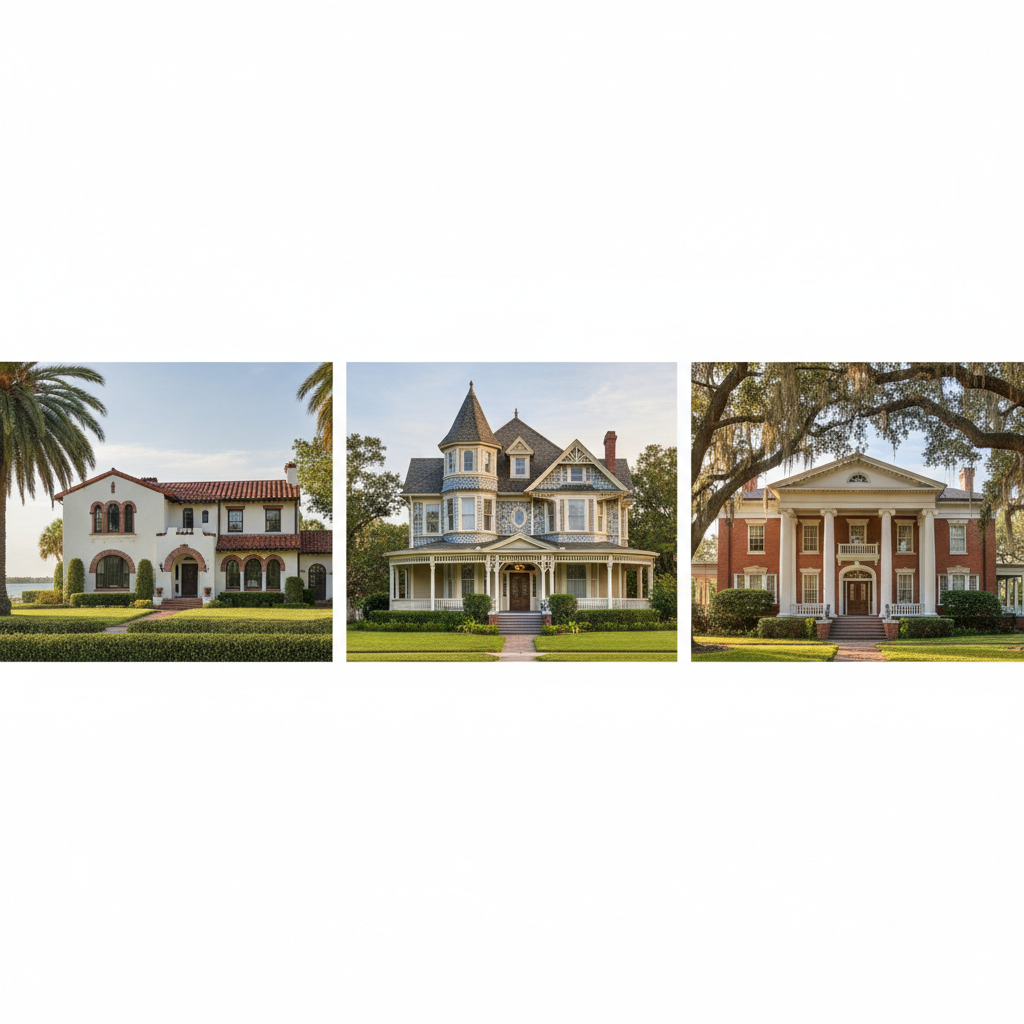
If you've ever driven down Bayshore Boulevard, wandered the brick streets of Ybor City, or strolled past the wood-frame cottages of St. Petersburg's Old Northeast, you've already met some of the most compelling tampa bay historic homes for sale architectural styles in Florida. These neighborhoods aren't just collections of old houses — they're living catalogs of Florida's first century of growth, from cigar-boom craftsmanship to 1920s Mediterranean fantasy to early Colonial Revival statements built when Tampa was still finding its footing as a city.
For homebuyers and sellers, understanding these styles isn't academic. The architectural fingerprint of a property influences everything from its insurance premium to its renovation budget, its resale ceiling, and even whether you can legally swap out the front windows. This guide walks through the dominant historic styles in Tampa Bay, where to find them, what they cost to own, and how to evaluate them as both lifestyle properties and long-term assets.
Quick Facts
- Primary Historic Districts: Hyde Park, Ybor City, Davis Islands, Old Northeast (St. Pete), Dunedin core
- Dominant Era: 1900s–1930s
- Top Architectural Styles: Craftsman/Bungalow, Mediterranean Revival, Colonial Revival, traditional Florida
- Typical Diligence Add-Ons: Wind mitigation, 4-point inspection, termite, flood elevation
- Preservation Rule of Thumb: Exterior changes usually need review; interiors often don't
- Supply Trend: Finite — no new historic homes are being built
Why Tampa Bay Historic Homes for Sale Architectural Styles Matter Now
Tampa Bay's housing market has been one of the most dynamic in the country over the past decade, driven by population growth, job expansion, and a livability story that keeps pulling buyers from the Northeast and Midwest. Inside that broader market, historic homes occupy a unique position: they're scarce, they're centrally located, and they tend to anchor neighborhoods where new construction is either impossible or tightly restricted.
That scarcity is the single most important fact for anyone evaluating tampa bay historic homes for sale architectural styles. You cannot build more 1920s bungalows in Hyde Park. You cannot manufacture another block of brick-paved Ybor streets. When a Mediterranean Revival on Snell Isle or a Craftsman on South Boulevard comes to market, the buyer pool extends far beyond Tampa — it includes relocating executives, second-home buyers, design-minded investors, and preservation enthusiasts.
The result is a market that behaves differently than the rest of Tampa Bay. Historic homes typically hold value better in downturns, appreciate more reliably over long holding periods, and carry a premium for documented, high-quality restoration work. They also come with quirks — older systems, insurance complexity, and review-board oversight — that reward buyers who go in prepared.
Yes, particularly in core districts like Hyde Park and Old Northeast where supply is fixed and demand keeps growing. The caveat: factor in 15–25% more for due diligence, insurance, and capital improvements compared to a similar-sized newer home.
The Four Dominant Tampa Bay Historic Homes for Sale Architectural Styles
Most historic inventory in Tampa Bay falls into four broad architectural families. Each tells a different story about when and why the region grew, and each carries its own ownership profile.
1. Craftsman and Bungalow
The Craftsman bungalow is arguably the signature historic style of Tampa Bay. Built mostly between 1905 and 1935, these homes feature low-pitched gable roofs, deep front porches with tapered columns, exposed rafter tails, built-in cabinetry, and original heart pine floors. They were the workforce housing of their era — modest in footprint, efficient in layout, and beautifully detailed in ways modern tract housing rarely matches.
You'll find concentrations of Craftsman bungalows in Hyde Park, Seminole Heights, Ybor City's residential edges, St. Pete's Old Northeast, and the older streets of Dunedin. Prices vary widely based on size, condition, and exact block, but bungalows under 1,800 square feet remain one of the most accessible entry points into historic Tampa Bay ownership.
2. Mediterranean Revival
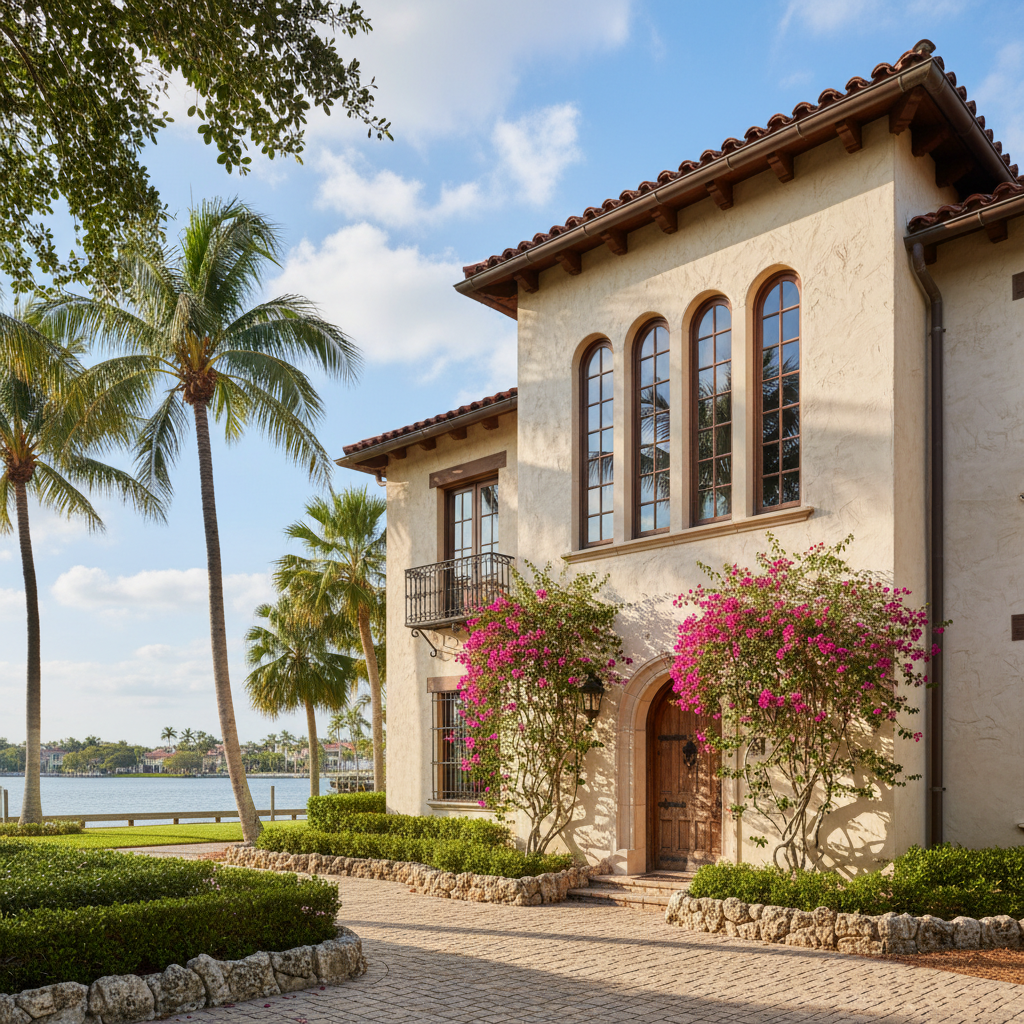
If the bungalow tells the story of Tampa's working-class boom, the Mediterranean Revival tells the story of its 1920s aspirations. Stucco exteriors, barrel-tile roofs, arched windows, wrought-iron balconies, and interior courtyards define the style. Many of these homes were built during the Florida land boom and showcase the era's optimism — Davis Islands, Beach Park, and parts of Snell Isle are full of them.
Mediterranean Revival homes tend to command the highest price points among historic Tampa Bay inventory. They're often larger, frequently waterfront-adjacent, and architecturally distinctive in ways that translate well to luxury marketing.
3. Colonial and Colonial Revival
Less common but architecturally significant, Colonial Revival homes appear scattered through Hyde Park, Old Northeast, and select Tampa pockets. They're recognizable by symmetrical façades, gabled or hipped roofs, formal entryways with classical pediments, multi-pane windows, and traditional interior layouts with center hallways. Many were built between the late 1910s and the 1930s as statements of permanence and East Coast sensibility transplanted into a young Florida city.
4. Traditional and Late-Victorian-Era Florida Homes
The fourth category is a catch-all for the wood-frame, porch-wrapped, often two-story homes that predate or sit alongside the bungalow boom. They feature period-specific trim, taller ceilings, narrower lots, and the kind of front-porch culture that defined Florida living before air conditioning. You'll see them throughout Ybor City, parts of Hyde Park, and the oldest streets in Dunedin.
Where to Find Tampa Bay Historic Homes for Sale Architectural Styles by Neighborhood
Style and neighborhood are deeply intertwined in Tampa Bay. Here's how the major historic districts break down:
Hyde Park (Tampa)
Tampa's most prestigious historic neighborhood, Hyde Park is dense with Craftsman bungalows, Colonial Revivals, and select Mediterranean homes. Tree-lined streets, walkability to Hyde Park Village, and proximity to Bayshore Boulevard make this district one of the most consistently appreciating areas in the entire region.
Ybor City (Tampa)
Ybor's residential edges hold a remarkable concentration of "casitas" — small wood-frame cigar-worker cottages — alongside Craftsman bungalows. The district's National Historic Landmark status means preservation review is significant, but so is the cultural cachet.
Davis Islands (Tampa)
Developed in the 1920s by D.P. Davis as a planned Mediterranean Revival community, Davis Islands offers some of the most architecturally cohesive historic inventory in Florida. Waterfront access, walkability, and proximity to Tampa General Hospital and downtown make it a premium market.
Old Northeast (St. Petersburg)
Densely packed with homes from the 1910s through the 1930s, Old Northeast is St. Pete's crown jewel. You'll find Craftsman bungalows, Mediterranean Revivals, and Colonial Revivals on hexagonal-block sidewalks, all within walking distance of downtown and the waterfront. Learn more about Old Northeast listings and market trends.
Dunedin's Older Core
Dunedin's historic district offers smaller-scale Craftsman and traditional Florida homes near a charming downtown and the Pinellas Trail. Prices are generally more accessible than Hyde Park or Davis Islands, making Dunedin attractive to first-time historic buyers.
Comparing Tampa Bay Historic Homes for Sale Architectural Styles at a Glance
| Style | Era | Key Features | Primary Locations | Typical Buyer Profile |
|---|---|---|---|---|
| Craftsman / Bungalow | 1905–1935 | Low gable roofs, deep porches, exposed woodwork | Hyde Park, Old Northeast, Dunedin, Ybor edges | First-time historic buyers, design lovers |
| Mediterranean Revival | 1920–1935 | Stucco, tile roofs, arches, ironwork | Davis Islands, Snell Isle, Beach Park | Move-up buyers, luxury, waterfront seekers |
| Colonial Revival | 1915–1940 | Symmetry, formal entries, gabled roofs | Hyde Park, Old Northeast | Traditionalists, families |
| Traditional Florida | 1890–1920 | Wood frame, wrap porches, tall ceilings | Ybor, Dunedin, older Hyde Park | Restorers, character-home enthusiasts |
The Real Cost of Owning Tampa Bay Historic Homes for Sale Architectural Styles
Owning a historic home in Tampa Bay involves cost categories that newer-home buyers rarely think about. Going in with realistic expectations is the single biggest predictor of whether a buyer ends up loving — or resenting — their purchase.
Insurance and Wind Mitigation
Florida insurance is challenging for any property, and older homes face additional scrutiny. Carriers will want a 4-point inspection (roof, electrical, plumbing, HVAC) and a wind mitigation report. Homes with newer roofs, hurricane straps, impact windows, and updated electrical service often qualify for meaningful premium reductions.
Renovation and Restoration
Plaster walls, original windows, heart pine floors, and tile roofs are beautiful — and expensive to maintain correctly. Budget for specialized trades who understand historic materials. Cutting corners with modern substitutes often hurts resale value in these neighborhoods.
Preservation Review
In designated historic districts, exterior changes typically require a Certificate of Appropriateness from a local review board. Interior renovations are usually unrestricted unless the property has special landmark status. Understanding these rules before you buy is essential — and a good agent will walk you through the specifics.
How to Buy Tampa Bay Historic Homes for Sale Architectural Styles the Smart Way
Buying a historic home well is a process, not a transaction. Here's a practical sequence that experienced historic-home buyers follow.
- Define your style and neighborhood priorities. Are you drawn to the porch culture of a Craftsman, the drama of a Mediterranean Revival, or the formality of a Colonial Revival? Match the style to your lifestyle.
- Get pre-approved with a lender experienced in older homes. Some loan products handle pre-1940 construction better than others.
- Tour with a historic-savvy agent. Look beyond cosmetics. Ask about roof age, electrical panel type, plumbing material, foundation, and prior permit history.
- Order a thorough inspection — and a 4-point and wind mitigation report. These three documents together give you the real picture.
- Get insurance quotes before removing contingencies. Insurability can make or break a deal on an older home.
- Research preservation rules. Confirm what you can and cannot change before closing.
- Plan your first-year capital budget. Roof, HVAC, electrical, and exterior paint are common early expenditures.
For a deeper walkthrough of this process, see our historic home buying guide, which covers inspection checklists, insurance carrier tips, and renovation budgeting specific to Tampa Bay.
Insurance quoting before contingency removal. Buyers routinely fall in love with a 1920s bungalow only to discover at the eleventh hour that premiums are double what they expected — or that carriers won't write the policy at all without specific upgrades.
Selling Tampa Bay Historic Homes for Sale Architectural Styles for Top Dollar
If you own one of these homes, the marketing playbook is different from a typical resale. Buyers paying a premium for historic character want to see provenance, documentation, and quality.
Document the Story
Original blueprints, prior owner history, restoration records, and period photos all add value. They give listing agents material to tell a story that justifies premium pricing.
Lead With Architecture in Photography
A great historic-home listing leans into architectural detail: porch columns, original tile, leaded glass, fireplace tile work, original hardware. These details are why buyers are paying the premium.
Price With Comparables That Make Sense
A 1925 Mediterranean Revival on Davis Islands should not be priced against a 2010 build down the street. Smart pricing draws comps from similar historic homes — even from outside the immediate neighborhood — to build the right value narrative.
Pre-List Inspections and Insurance Quotes
Providing buyers with current 4-point, wind mitigation, and insurance quotes removes friction and accelerates offers. This is one of the highest-ROI moves a historic-home seller can make.
Sellers who want a customized strategy can request a historic-home valuation to see how their property compares against current market data.
What's Next for Tampa Bay's Historic Districts
Looking ahead, three forces will shape the market for tampa bay historic homes for sale architectural styles over the next decade:
Scarcity will intensify. The supply of historic homes is fixed by definition. As demand from relocating buyers continues, competition for well-located, well-restored properties will likely grow.
Hurricane resilience will become a pricing factor. Buyers and insurers are increasingly rewarding homes that have been hardened — impact windows, reinforced roofs, elevated mechanicals — without compromising historic character. Sellers who invest here will see premiums.
Documentation will matter more. Permits, restoration records, and inspection histories are becoming as important as the home itself. Properties with clean paper trails sell faster and for more.
The buyers who win in this market are the ones who treat a historic home as both a lifestyle choice and a long-term asset — with all the due diligence that implies.
Frequently Asked Questions
What are the most common Tampa Bay historic homes for sale architectural styles?
The four most common styles are Craftsman/Bungalow, Mediterranean Revival, Colonial Revival, and traditional Florida wood-frame homes. Craftsman bungalows are the most numerous, while Mediterranean Revival commands the highest price points.
Which Tampa Bay neighborhoods have the most historic homes?
Hyde Park, Ybor City, and Davis Islands in Tampa, along with Old Northeast in St. Petersburg and Dunedin's older core, hold the largest concentrations of pre-1940 homes in the region.
Are historic homes harder to insure in Florida?
Yes, but not impossible. Carriers require 4-point and wind mitigation inspections, and homes with newer roofs, updated electrical, and hurricane protection qualify for better premiums. Quoting insurance early in the buying process is essential.
Can I renovate a historic home in Tampa Bay?
Generally yes, but in designated historic districts, exterior changes require review-board approval through a Certificate of Appropriateness. Interior renovations are typically unrestricted unless the property has special landmark status.
Do historic homes appreciate well in Tampa Bay?
Historic homes in core central districts have historically performed strongly because supply is fixed and demand keeps growing. Well-maintained, well-documented properties tend to outperform comparable newer homes over long holding periods.
Ready to Explore Tampa Bay's Historic Home Market?
Whether you're drawn to a Craftsman bungalow in Hyde Park, a Mediterranean Revival on Davis Islands, or a restored Colonial in Old Northeast, navigating the historic home market takes specialized expertise. Architectural knowledge, preservation rules, insurance strategy, and renovation budgeting all intersect on these properties — and getting one element wrong can cost tens of thousands of dollars.
Kyle Hollister specializes in helping buyers and sellers navigate Tampa Bay's historic districts with the diligence and market insight these homes deserve. To start a conversation about your next move, reach out today — and let's find or sell the right home, the right way.