Relocating to Tampa Bay Guide for Professionals 2026
May 14, 2026 · 13 min read
TL;DR — The Bottom Line
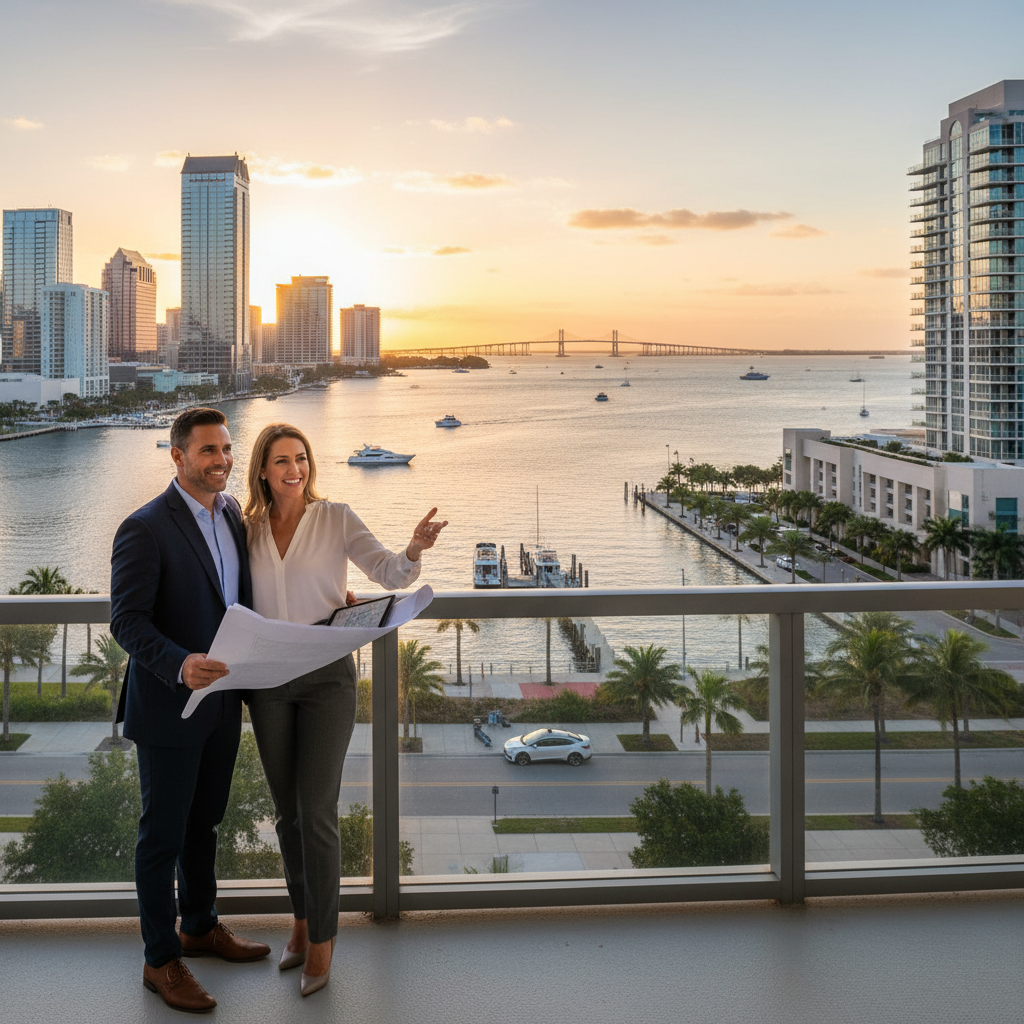
Relocating to Tampa Bay as a professional in 2026 means gaining access to a thriving job market with 3.6% unemployment, zero state income tax, and a coastal lifestyle that rivals far more expensive metros. The real estate market is rebalancing in buyers' favor, with median home prices around $380,000–$411,000 and growing inventory. Plan ahead for rising insurance costs, hurricane season, and competitive neighborhoods — and partner with a local real estate expert to navigate the transition smoothly.
Quick Facts
- Median Home Price: $380,451–$411,000 (single-family, 2025)
- Median Rent: $2,150/month
- Unemployment Rate: 3.6% (May 2025, vs. 4.2% national)
- Average Year-Round Temperature: 73°F
- Metro Population: Over 3.3 million
- State Income Tax: None
If you're considering relocating to Tampa Bay, you're in exceptional company. This sun-soaked metro — spanning Tampa, St. Petersburg, and Clearwater — has emerged as one of the most compelling destinations for career-driven professionals in the entire country. This relocating to Tampa Bay guide for professionals compiles the most current data, expert insights, and actionable steps to help you make a confident, well-informed move in 2026. Whether you're a first-time homebuyer, a seasoned executive transferring to a new role, or a remote worker seeking a higher quality of life, Tampa Bay has something powerful to offer.
Why Professionals Are Choosing Tampa Bay in 2026
The momentum behind relocating to Tampa Bay didn't happen by accident. Over the past several years, this Gulf Coast metro has quietly — and then not so quietly — transformed into a powerhouse for professionals across a wide range of industries. Research suggests Tampa Bay ranked as the #2 best place for jobs in the United States in 2024, driven by a remarkably diverse employment base and a cost-of-living advantage over coastal giants like New York, San Francisco, and Miami.
The local unemployment rate held at just 3.6% as of May 2025, well below the national average of 4.2%. Major employers spanning healthcare, finance, technology, defense, and education anchor the economy. Institutions like Tampa General Hospital, BayCare Health System, HCA West Florida Hospital, Raymond James Financial, Publix, and the University of South Florida collectively employ tens of thousands of professionals. MacDill Air Force Base adds another layer of economic stability, supporting both military and civilian contractor roles.
The tech startup ecosystem — energized by accelerators like Tampa Bay Wave — has attracted millennial professionals seeking innovation-focused careers outside the traditional coastal tech corridors. And yes, the area's booming craft beer scene has become a surprising cultural magnet, reflecting the creative, entrepreneurial spirit that now defines the region.
For anyone serious about relocating to Tampa Bay as a professional, the career opportunity alone makes the conversation worth having. But the lifestyle upside seals the deal.
Yes — relative to cities like Miami, Austin, or Seattle, Tampa Bay offers significantly lower housing costs, no state income tax, and competitive salaries in key industries. However, rising insurance premiums and housing appreciation mean affordability is a moving target, making early financial planning essential for anyone relocating to Tampa Bay as a professional.
Tampa Bay's Cost of Living: What Professionals Need to Budget For
One of the most important aspects of any relocating to Tampa Bay guide for professionals is an honest look at costs. The region's financial advantages are real — but so are some emerging pressures that can catch unprepared relocators off guard.
Florida's zero state income tax is a headline benefit, particularly for high earners. When comparing take-home pay against a state like California or New York, the difference can be substantial — often equivalent to a significant salary raise without any negotiation required. For professionals earning $100,000 or more annually, this single factor can meaningfully improve financial quality of life from day one.
That said, some of those gains can be offset by rising costs in two key areas: homeowners insurance and housing prices. Florida's vulnerability to hurricane season has driven insurance premiums notably higher in recent years, and Tampa Bay is no exception. Flood insurance — separate from standard homeowners coverage — may also be required depending on the property's FEMA flood zone designation. Professionals relocating to Tampa Bay should budget conservatively and consult with a local insurance broker as part of the pre-purchase due diligence process.
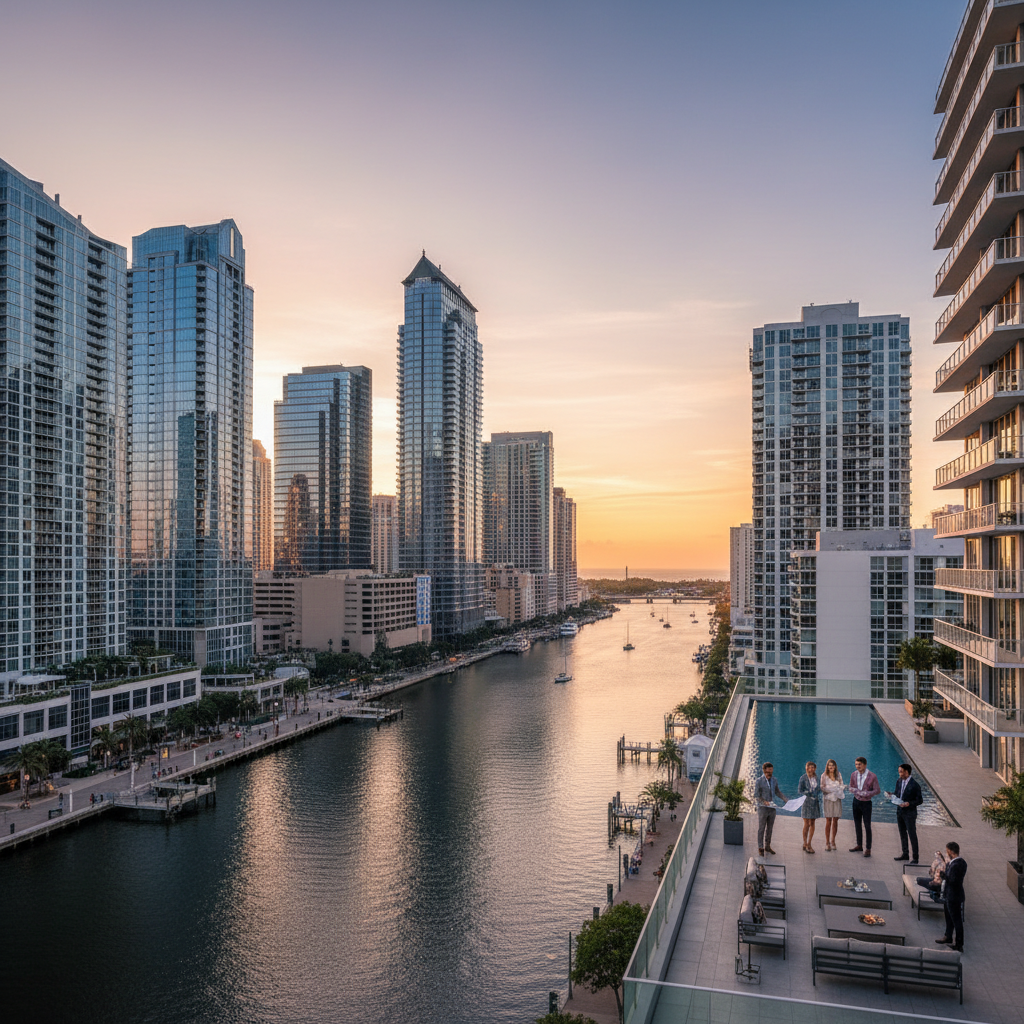
On the housing side, median single-family home prices currently range from approximately $380,451 to $411,000, with downtown Tampa and waterfront properties commanding a premium above that range. Monthly rent averages $2,150, though luxury waterfront apartments with bay views and resort-style amenities can run considerably higher. New construction communities — increasingly popular among relocating professionals — often carry waitlists of 10 or more months, making it critical to begin your search well in advance of your planned move date.
| Expense Category | Estimated Cost | Notes |
|---|---|---|
| Median Home Purchase Price | $380,451–$411,000 | Single-family; waterfront/downtown higher |
| Average Monthly Rent | $2,150 | Luxury waterfront units run higher |
| Homeowners Insurance | Elevated; varies by zone | Flood insurance may be additional |
| State Income Tax | $0 | A key financial advantage for professionals |
| New Construction Wait Time | 10+ months typical | Plan well ahead of your move date |
The Tampa Bay Real Estate Market: What Relocating Professionals Should Know
Understanding the real estate market is central to any successful strategy for relocating to Tampa Bay. The good news for buyers is that the market has materially rebalanced from its frenzied post-pandemic highs. The era of lottery systems for new construction, waived inspections, and 30-offer bidding wars has passed. In its place is a far more measured environment — one that actually favors prepared, well-advised buyers.
As of late 2025, Tampa Bay's housing inventory sits at approximately 5.5 months of supply — a level that economists consider a balanced market. Homes are staying on the market longer, sellers are more willing to make concessions, and price reductions have become more common. Federal Reserve rate cuts initiated in late 2025 are beginning to ease mortgage rate pressure, though rates remain elevated compared to historic lows. Professionals relocating to Tampa Bay with strong credit profiles and pre-approval in hand are well-positioned to negotiate favorable terms.
For professionals specifically, several property types and community styles stand out. Master-planned communities offering amenities like golf courses, walking trails, community pools, and A-rated schools are particularly popular among relocating families. Waterfront properties — ranging from bayfront condos to canal-access single-family homes — remain a premium segment with enduring demand. And for professionals prioritizing flexibility, neighborhoods without HOA restrictions offer creative freedom without monthly dues.
If new construction is on your radar, our New Construction Homes Tampa Bay Communities Guide 2026 provides a detailed breakdown of the region's top builder communities, pricing tiers, and what to expect from the contract-to-close process.
Top Neighborhoods for Relocating Professionals
Neighborhood selection is one of the most personal — and impactful — decisions involved in relocating to Tampa Bay as a professional. The metro's diversity means there's a fit for virtually every lifestyle preference, commute need, and budget range. Here's a snapshot of key areas to consider:
South Tampa
South Tampa blends walkable urban living with upscale residential streets. Hyde Park Village, with its boutique shopping and restaurant scene, and the Bayshore Boulevard waterfront make this one of the most sought-after ZIP codes for professionals. Expect premium pricing but exceptional lifestyle value.
Westchase and New Tampa
Ideal for families and professionals prioritizing top-rated schools, master-planned community amenities, and reasonable commute times to both Tampa's urban core and the tech corridor along the I-75 corridor. Both areas offer a strong mix of new and established homes.
St. Petersburg
St. Pete has undergone a remarkable revitalization over the past decade. Its thriving arts district, beach proximity, and growing tech and creative economy make it a favorite for younger professionals and remote workers. The waterfront is spectacular, and the restaurant scene rivals any city of comparable size.
Clearwater and Dunedin
For professionals who want beach access as part of daily life, the Clearwater-Dunedin corridor delivers. Clearwater Beach consistently ranks among the top beaches in the U.S., and Dunedin's quaint downtown and craft beer culture have earned it a loyal following among relocated professionals.
Start by mapping your workplace location and acceptable commute time, then layer in lifestyle priorities — beach access, nightlife, school ratings, or quiet suburban amenities. Working with a knowledgeable local agent who specializes in professional relocations is the fastest path to identifying the neighborhoods that genuinely fit your lifestyle and budget. Check out our guide on how to choose a real estate agent in Tampa to find the right professional for your search.
A Step-by-Step Relocation Plan for Professionals
The most successful professional relocations to Tampa Bay follow a structured process. Here's a proven framework for relocating to Tampa Bay with confidence:
- Verify Your Financial Picture: Before anything else, confirm your job offer or income structure accounts for Tampa Bay's cost of living — particularly housing and insurance. Calculate your net take-home including the Florida tax advantage and set a realistic home purchase budget.
- Research Neighborhoods Remotely: Use virtual tours, neighborhood data tools, and Google Street View to narrow your list of target areas before visiting in person. Prioritize commute time, school ratings (if applicable), and lifestyle amenities.
- Get Pre-Approved for a Mortgage: In a competitive market, pre-approval signals serious intent to sellers. Work with a lender familiar with Florida-specific programs, including options for first-time buyers.
- Engage a Local Real Estate Expert Early: A Tampa Bay specialist who works with relocating professionals will have insight into off-market inventory, neighborhood nuances, and builder relationships that no online portal can replicate.
- Plan a Dedicated Site Visit: Schedule a dedicated trip to Tampa Bay — ideally 3–5 days — to tour homes, explore neighborhoods at different times of day, and get a feel for daily life in your target areas.
- Factor in Hurricane Preparedness: Review FEMA flood maps for any property you're seriously considering. Understand flood zone designations, insurance requirements, and the construction features (impact windows, roof age, elevation) that affect both safety and premiums.
- Negotiate with Data: In today's rebalanced market, arrive at every offer with comparable sales data and ask for seller concessions where appropriate — closing cost contributions, repair credits, or rate buydowns are all on the table.
- Coordinate Your Move Timeline: Align your closing date with your job start date, giving yourself a buffer week if possible. Research Florida driver's license and vehicle registration requirements, which must be addressed within 30 days of establishing residency.
Lifestyle, Culture, and What Makes Tampa Bay Different
For professionals, relocating to Tampa Bay isn't just a career decision — it's a life upgrade. The region's year-round average temperature of 73°F means outdoor recreation is a genuine part of daily existence, not a seasonal luxury. Kayaking through the mangroves of Tampa Bay, sailing on the Gulf, golfing at world-class courses, or simply walking the 4.5-mile Bayshore Boulevard at sunrise — these aren't vacation activities. They're Tuesday mornings.
Tampa Bay also punches well above its weight culturally. The region supports three major professional sports franchises — the Tampa Bay Buccaneers (NFL), Tampa Bay Lightning (NHL), and Tampa Bay Rays (MLB). The Salvador Dalí Museum in St. Petersburg is internationally recognized. The Straz Center for the Performing Arts hosts Broadway touring productions year-round. And Busch Gardens Tampa Bay provides a world-class theme park experience minutes from suburban neighborhoods.
The food and beverage scene has matured dramatically. Ybor City's historic Latin quarter offers a nightlife experience unlike anything else in Florida. The craft beer movement — with dozens of acclaimed local breweries — has become a genuine cultural institution. And the proximity to both Gulf Coast beaches and world-class fishing makes Tampa Bay a destination that professionals almost never want to leave once they've settled in.
"Tampa Bay offers something rare: a metro where ambitious professionals can build serious careers without sacrificing the outdoor lifestyle and affordability that make life worth living."
Pros, Cons, and the Honest Picture for Relocating Professionals
No relocating to Tampa Bay guide for professionals would be complete without an honest accounting of both sides of the ledger. Tampa Bay is exceptional — but it's not without its challenges.
The Genuine Advantages
- Zero state income tax, compounding meaningfully over a career
- Diverse job market with strong growth in healthcare, finance, and technology
- Coastal lifestyle accessible at a fraction of California or Northeast pricing
- Warm, sunny weather nearly year-round
- A real estate market that is currently more buyer-friendly than it has been in years
- World-class beaches, cultural amenities, and professional sports
The Real Challenges
- Hurricane season (June through November) requires genuine preparedness and insurance planning
- Homeowners and flood insurance costs have risen significantly and must be factored into budgets
- Traffic congestion on major corridors (I-275, I-4, US-19) can make commutes frustrating without strategic neighborhood selection
- Summer heat and humidity are intense — July and August require adjustment for those coming from cooler climates
- New construction waitlists and popular neighborhood inventory can be competitive despite the broader market rebalancing
Understanding these dynamics upfront — rather than discovering them post-move — is exactly why working with a professional who specializes in relocating to Tampa Bay is so valuable. The right guidance transforms potential pitfalls into manageable planning items.
Working With a Tampa Bay Real Estate Professional
The single highest-leverage decision you can make when relocating to Tampa Bay as a professional is choosing the right real estate agent. This is not a commodity transaction. The person guiding your home purchase should have deep, hyperlocal knowledge of Tampa Bay's neighborhoods, builder relationships, market trends, and negotiation dynamics — not just access to the MLS.
Kyle Hollister brings specialized expertise in serving homebuyers and sellers throughout the Tampa Bay area, with a particular focus on relocation clients who need a trusted advisor to navigate the process from a distance. From identifying the right neighborhoods to managing inspections, negotiations, and closing coordination, having a dedicated professional in your corner makes the difference between a stressful transition and a seamless one.
If you're planning to sell a property before or during your move, it's also worth reviewing our detailed breakdown on what to do before listing your home in Tampa Bay — a resource that helps sellers maximize value and minimize time on market in the current environment.
The rebalanced market of 2026 rewards buyers and sellers who come prepared with data, strategy, and the right local representation. Don't navigate this process alone.
Is Tampa Bay a good place to relocate for professionals in 2026?
Yes. Tampa Bay offers a rare combination of strong career opportunities across healthcare, finance, technology, and defense, paired with zero state income tax, affordable coastal living relative to other major metros, and an exceptional outdoor and cultural lifestyle. Research suggests Tampa Bay ranked #2 for best places for jobs in 2024, and the trend continues into 2026 with sustained employment growth and a rebalancing real estate market that favors prepared buyers.
What is the average cost of living when relocating to Tampa Bay as a professional?
Median single-family home prices range from approximately $380,451 to $411,000, with average monthly rents around $2,150. Florida's zero state income tax provides a meaningful financial offset, but professionals should budget for elevated homeowners insurance premiums, potential flood insurance requirements, and general housing cost increases driven by ongoing population growth. A conservative total housing budget should factor in insurance, HOA fees where applicable, and reserve funds for hurricane preparedness.
What are the best neighborhoods in Tampa Bay for relocating professionals?
Top neighborhoods depend on your lifestyle priorities. South Tampa (Hyde Park) offers upscale urban walkability. Westchase and New Tampa are ideal for families prioritizing schools and suburban amenities. St. Petersburg attracts younger professionals and remote workers with its arts scene and waterfront. Clearwater and Dunedin offer direct beach access and a charming community atmosphere. A local real estate specialist can help map your commute, lifestyle preferences, and budget to the right fit.
How do I start the homebuying process when relocating to Tampa Bay from out of state?
Begin with financial preparation — verify your budget, get mortgage pre-approval, and factor in Florida-specific costs like insurance. Engage a Tampa Bay real estate agent who specializes in relocation clients early in the process. Use virtual tours to shortlist neighborhoods before scheduling a dedicated in-person site visit. Plan for new construction waitlists of 10-plus months if that's your preferred path, and ensure your move timeline aligns with your job start date.
Does Tampa Bay have a strong job market for professionals?
Yes. Tampa Bay's unemployment rate was 3.6% as of May 2025, significantly below the national average of 4.2%. The region's top employment sectors include healthcare, finance, technology, defense/military, education, and professional services. Major employers include MacDill Air Force Base, Tampa General Hospital, Raymond James Financial, Publix, BayCare Health System, and the University of South Florida. The tech startup ecosystem is also growing rapidly, anchored by initiatives like Tampa Bay Wave.
Your Next Step: Making Tampa Bay Home
Relocating to Tampa Bay as a professional is one of the most rewarding decisions you can make for your career, your finances, and your quality of life. The data is compelling: a thriving job market, zero state income tax, a rebalancing real estate market with real buyer opportunity, and a lifestyle that most people only dream about on vacation. The relocating to Tampa Bay guide for professionals framework outlined here gives you a clear roadmap — from financial preparation to neighborhood selection to closing day.
But ultimately, the most important step is connecting with someone who knows this market intimately and has guided professionals through this exact transition before. Kyle Hollister specializes in helping homebuyers and sellers across the Tampa Bay area — particularly those relocating from other states — navigate the process with clarity and confidence.
Ready to take the next step? Reach out to Kyle Hollister today to schedule a personalized consultation about your relocation goals. Whether you're six months out or ready to move now, having the right local expert in your corner from the start will make all the difference in your Tampa Bay relocation journey.