Palm Harbor Real Estate Market Trends: 2026 Guide
July 9, 2026 · 13 min read
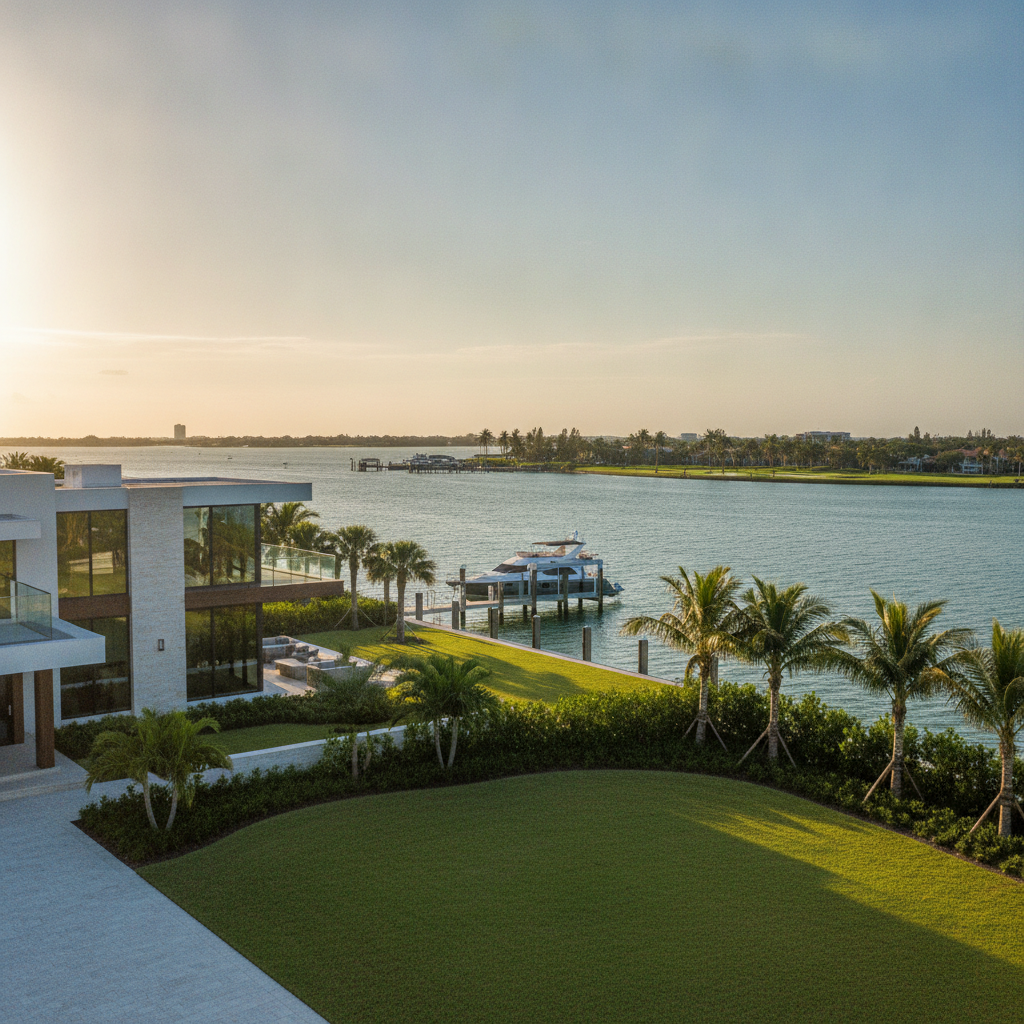
The palm harbor real estate market trends in 2026 tell a clear story: after several years of frenzied appreciation, the Tampa Bay suburb is transitioning from a hot seller's market toward a more balanced landscape. Prices have softened modestly, inventory has expanded, and homes are taking longer to sell — yet underlying demand remains strong thanks to Florida's continued population and job growth. Whether you're a first-time buyer, a longtime homeowner considering a move, or an investor eyeing the Gulf Coast, understanding these shifts is essential to making smart decisions this year.
TL;DR — The Bottom Line
Palm Harbor's 2026 real estate market is normalizing: median sale prices sit around $381K–$420K (down 3–7% YoY), inventory is up roughly 46%, and homes average 49–66 days on market. Well-priced homes still sell in under two weeks, while overpriced listings can linger 90+ days. Buyers have more leverage than they've had in years, but sellers who price precisely and present professionally still command strong results.
What Palm Harbor Real Estate Market Trends Look Like in 2026
If you tracked the palm harbor real estate market trends from 2021 through 2023, you saw a market defined by bidding wars, waived contingencies, and homes selling within 72 hours of listing. That era has ended. The 2026 market is what economists describe as "somewhat competitive" — still healthy, but no longer overheated. Bidding wars have faded, average offers per listing have dropped from 5–10 down to 1–2, and buyers are once again requesting inspections and negotiating repairs.
Critically, this is not a crash. Palm Harbor remains a desirable Pinellas County community with top-rated schools, waterfront access, and proximity to Tampa International Airport. What we're seeing is a healthy recalibration — the kind of market where strategy, pricing precision, and presentation genuinely determine outcomes.
Quick Facts
- Median Listing Price: ~$425,000
- Median Sale Price: $381,000–$420,000 (down 3–4% YoY)
- Zillow Typical Home Value: $392,437 (down 6.9% YoY)
- Price per Sq Ft: $272 (up 0.9% YoY per Redfin)
- Average Days on Market: 49–66 days
- Months of Supply: 3.0–3.8 months
- Sale-to-List Ratio: 97–98%
- Median Rent: ~$2,000/month
The Numbers Behind Palm Harbor Real Estate Market Trends
Data varies slightly by source — Zillow, Redfin, and Realtor.com each pull from different transaction pools — but the directional signal is unified: prices have flattened or dipped, inventory has climbed, and time-to-sell has extended. Here's the most current picture heading into mid-2026.
Prices Are Easing, Not Collapsing
The median listing price in Palm Harbor is holding around $425,000, while actual median sale prices have settled into the $381,000–$420,000 range depending on the data provider. Zillow reports a typical home value of $392,437 as of January 31, 2026 — a 6.9% decline over the trailing 12 months. Redfin, however, shows price per square foot up 0.9% year-over-year to $272, suggesting the price drop is partly driven by which homes are selling (a shift toward smaller or more entry-level properties) rather than a uniform decline across the board.
Inventory Has Expanded Meaningfully
Active listings are up roughly 46% year-over-year according to local reporting, with active-listing counts ranging from about 280 to 794 depending on the timeframe measured. This is the single biggest shift in the palm harbor real estate market trends narrative: buyers finally have choices. That said, months of supply still sits at 3.0–3.8 — below the 5–6 months that would signal a full buyer's market.
Days on Market Have Doubled — But Only for Some
The average home now sits 49 days (Redfin) to 66 days (Realtor.com) on market, compared to 37 days a year ago. But averages hide the real story: correctly priced, professionally staged homes are still going under contract in about 13 days. Overpriced homes, meanwhile, can sit 90+ days and often require multiple price cuts to sell. Pricing precision has never mattered more.
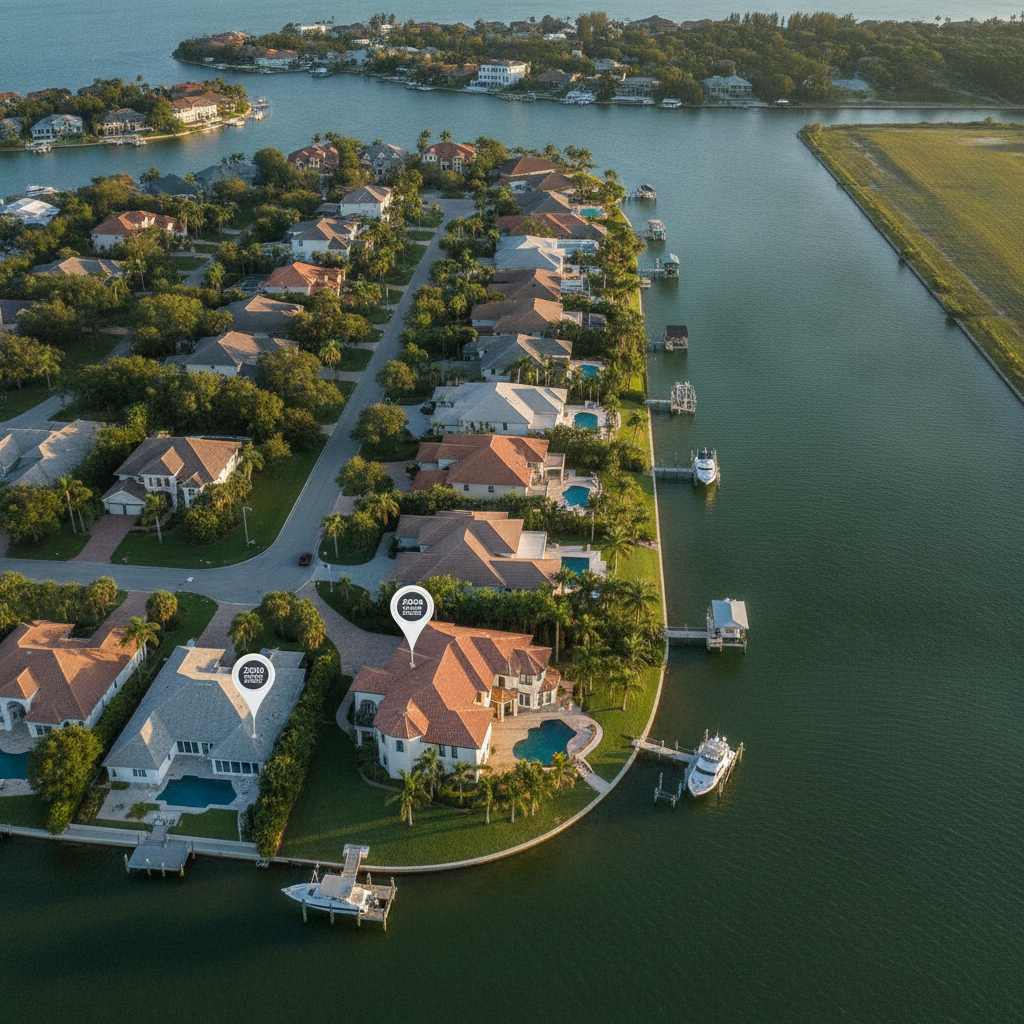
Palm Harbor Real Estate Market Trends by Neighborhood
Palm Harbor isn't a single market — it's a collection of micro-markets, each with its own pricing tier and buyer profile. Understanding these distinctions is critical whether you're setting a list price or a house-hunting budget.
Palm Harbor Proper — $350K to $500K
The established interior neighborhoods form the bulk of Palm Harbor's inventory. These are the classic 3-bed, 2-bath ranch and two-story homes on quarter-acre lots, often built between the 1970s and 1990s. This segment has seen the most price sensitivity in 2026, as it competes directly with nearby Dunedin, Oldsmar, and East Lake alternatives.
Innisbrook Area — $450K to $750K
Homes in and around the Innisbrook Golf Resort community command premium pricing thanks to resort amenities and gated exclusivity. Days on market here tend to run slightly longer given the narrower buyer pool, but sale-to-list ratios remain strong for updated properties.
Ozona & Waterfront — $500K to $1M+
The Ozona coastal village and direct waterfront properties represent the luxury tier. This segment has been the most resilient in the palm harbor real estate market trends data — waterfront supply is inherently limited, and Gulf-access properties continue to attract out-of-state buyers and second-home purchasers. Insurance and elevation certificates are increasingly central to these transactions in 2026.
Yes — for buyers with stable financing and a 3–5 year time horizon, 2026 offers the best negotiation environment in nearly four years. You'll face less competition, get inspection contingencies honored, and often secure a home 2–3% below list. Just be strategic about location, insurance costs, and long-term flood zone considerations.
How Palm Harbor Compares to the Broader Tampa Bay Market
Zooming out helps put local palm harbor real estate market trends in context. Florida's statewide median single-family home price sits around $425,000 as of May 2026, up 2.4% year-over-year. That means Palm Harbor is currently pricing slightly below the state median — a shift from 2022–2023 when it consistently commanded a premium.
Within Tampa Bay specifically:
- South Tampa & Hyde Park: Prices holding stronger, driven by urban demand and limited inventory.
- St. Petersburg: Similar softening pattern to Palm Harbor, with waterfront segments outperforming interior.
- Clearwater: Mixed — beach-adjacent properties strong, inland softening.
- Riverview & Wesley Chapel: New-construction competition pressuring resale pricing.
What this means practically: buyers relocating to Tampa Bay have real choices this year, and cross-submarket comparison is more valuable than ever. Working with an advisor who understands multiple sub-markets — not just one ZIP code — helps you avoid overpaying in one area when a comparable home is available for less nearby.
What's Driving the 2026 Palm Harbor Real Estate Market Trends
Several forces are shaping the current market. Understanding them helps you anticipate what comes next.
Mortgage Rates Have Stabilized
After the volatility of 2022–2024, 30-year fixed mortgage rates have settled into a narrower band in 2026. This stability has allowed buyers to plan again — but the affordability squeeze from higher rates continues to cap how much buyers can offer, which is a key reason prices have softened.
Insurance Costs Remain a Major Factor
Florida homeowners insurance premiums remain elevated, particularly in coastal areas and older homes. For Palm Harbor buyers, insurance can add $3,000–$8,000+ annually to carrying costs, and this directly impacts what buyers can afford. Sellers are increasingly being asked to provide recent insurance quotes as part of the disclosure package.
Population Growth Continues
Tampa Bay continues to attract net in-migration from higher-cost states. This demand floor is why prices are softening modestly rather than collapsing — there are still more people wanting to live here than existing supply can easily absorb.
New Construction Competition
New home communities in Pasco County and eastern Hillsborough offer incentives (rate buydowns, closing cost credits) that pull some buyers away from resale markets like Palm Harbor. Sellers competing with new construction need to emphasize location, mature landscaping, and established schools.
Strategy for Buyers in the 2026 Palm Harbor Market
If you're buying in Palm Harbor this year, the playbook has shifted meaningfully. Here's how to capitalize on current palm harbor real estate market trends.
- Get fully underwritten pre-approval, not just pre-qualified. In a more competitive negotiation environment, strong financing documentation still wins.
- Study days on market before offering. A home that's sat 60+ days signals mispricing or issues — that's leverage.
- Request inspection and repair contingencies. These are honored again in 2026. Don't waive them out of habit.
- Get insurance quotes before going under contract. Especially for waterfront or older homes, insurance can dramatically affect true monthly cost.
- Offer 2–4% below list on stale listings. Sale-to-list ratios of 97–98% mean sellers are accepting these offers.
- Compare across submarkets. A $450K home in Palm Harbor might have a better $425K equivalent in Dunedin or East Lake — worth exploring.
Strategy for Sellers Navigating Palm Harbor Real Estate Market Trends
Sellers in 2026 need a fundamentally different approach than in 2022. The homes that sell fast and near list price share three characteristics: precise pricing, professional presentation, and strategic marketing.
Price It Right the First Time
The single biggest mistake sellers make in this market is anchoring to 2022 comps. A home overpriced by even 5% now can sit 90+ days, accumulate stigma, and ultimately sell for less than it would have with an accurate initial price. Well-priced homes still get multiple offers.
Invest in Presentation
Professional photography, drone footage, virtual tours, and light staging are now table stakes. Buyers have more options, so a mediocre listing photo means they simply scroll past your home.
Prepare Insurance and Disclosure Documents Early
Being able to hand a buyer a current insurance quote, 4-point inspection, and wind mitigation report accelerates offers and reduces post-inspection renegotiation.
If priced correctly and professionally marketed, expect roughly 13–30 days to contract. Homes that are overpriced, dated, or poorly presented can easily take 60–90+ days. The gap between well-executed and average listings has never been wider in Palm Harbor.
What the Rental & Investment Market Looks Like
For investors watching palm harbor real estate market trends, the rental picture is stable but not exploding. Median rents sit around $2,000/month, with month-over-month growth of roughly 1.27% in recent data. That's healthy — outpacing inflation — but far below the 10–15% annual rent surges of 2021–2022.
Cap rates for single-family rentals in Palm Harbor remain compressed compared to inland Florida markets, but the tradeoff is stronger appreciation history and higher-quality tenants. Short-term rental regulations remain restrictive in most of Pinellas County, so buy-and-hold long-term rental strategies dominate.
Working with the Right Advisor Matters More Than Ever
In the frenzied 2021–2022 market, almost any agent could sell a home in a weekend. In 2026, the difference between working with a strategic broker-level advisor and a transactional agent can mean tens of thousands of dollars — in either direction.
The palm harbor real estate market trends now reward advisors who bring: precision pricing analysis grounded in current comparable sales, negotiation skill for a normalized market, cross-submarket knowledge across Tampa Bay, and professional marketing budgets. If you're evaluating agents, ask about their days-on-market averages, their sale-to-list ratios, and how they'd approach your specific neighborhood.
For a personalized market analysis and strategic consultation, connect with Kyle Hollister — a licensed broker with deep expertise across Palm Harbor, Tampa, St. Petersburg, and the broader Tampa Bay region.
Frequently Asked Questions
Are Palm Harbor home prices going down in 2026?
Yes, modestly. Median sale prices are down roughly 3–7% year-over-year depending on the data source, with Zillow reporting a 6.9% decline in typical home value. However, this is a normalization from historic peaks, not a crash — inventory remains below fully balanced levels and well-priced homes still sell quickly.
What is the average price per square foot in Palm Harbor right now?
According to Redfin, the median price per square foot in Palm Harbor is approximately $272, up 0.9% year-over-year. Other regional data sources report ranges of $248–$265 per square foot. Waterfront and Innisbrook-area properties typically command significantly higher price-per-square-foot figures.
How long do homes take to sell in Palm Harbor in 2026?
Averages range from 49 days (Redfin) to 66 days (Realtor.com), roughly double the 37-day average from a year ago. However, correctly priced and professionally presented homes still go under contract in about 13 days, while overpriced homes can sit 90+ days before selling.
Is Palm Harbor a buyer's or seller's market in 2026?
Palm Harbor is currently a transitioning or "balanced-leaning" market. With 3.0–3.8 months of supply, it hasn't reached a full buyer's market (typically 6+ months of supply), but buyers have significantly more negotiating power than in 2021–2023. Sellers can still achieve strong results with proper pricing and presentation.
What neighborhoods in Palm Harbor are holding value best?
Waterfront properties in the Ozona area and homes in the gated Innisbrook golf community have proven most resilient in 2026. Limited waterfront supply and continued out-of-state buyer interest support pricing in these segments, while inland established neighborhoods have seen more price flexibility.
The Bottom Line on 2026 Palm Harbor Real Estate
The 2026 palm harbor real estate market trends reward preparation and strategy over speed. Buyers finally have leverage, inventory, and time to make good decisions. Sellers who price precisely and present professionally still achieve excellent outcomes. And investors continue to find stable, appreciating opportunities in one of Florida's most desirable Gulf Coast communities.
Whether you're planning to buy, sell, or simply understand where your home value stands, the most important step is working with an advisor who understands both the granular Palm Harbor micro-markets and the broader Tampa Bay context. Reach out to Kyle Hollister today for a no-obligation market analysis tailored to your specific neighborhood, timeline, and goals.