Moving to Tampa Bay Guide 2026: Costs, Areas & Tips
July 7, 2026 · 13 min read

TL;DR — The Bottom Line
This moving to Tampa Bay guide for 2026 breaks down what relocating buyers and sellers need to know: median single-family home prices near $411,000, rents around $2,150, roughly 5.5 months of inventory, and a rebalancing market where negotiation is back. Expect strong lifestyle upside — beaches, no state income tax, mixed-use walkability — offset by rising insurance and storm-risk considerations. Work with a local advisor who understands neighborhoods, flood zones, and pricing dynamics.
If Tampa Bay is on your relocation shortlist for 2026, you are joining one of the fastest-growing metros in the country — and one of the most nuanced real estate markets in Florida. This moving to Tampa Bay guide is written specifically for homebuyers, sellers, and long-distance relocators who want a clear, professional walkthrough of costs, neighborhoods, market conditions, storm risk, and the practical steps that make a Tampa Bay move successful.
Whether you are a first-time buyer trading a colder climate for year-round sunshine, a retiree eyeing a coastal community, or an investor evaluating short-term rentals, the goal of this moving to Tampa Bay guide is the same: give you the local intelligence to make confident, informed decisions in a market that has shifted meaningfully over the last 24 months.
Quick Facts
- Regional population: ~3.2 million (2026)
- Median Tampa Bay home price: ~$380,451
- Median single-family sale price (May 2025): ~$411,000
- Median monthly rent: ~$2,150
- Housing inventory: ~5.5 months' supply
- State income tax: 0%
Why People Are Moving to Tampa Bay in 2026
Tampa Bay's growth story is not a fluke. The region has been ranked a Top 5 Best City to Live in Florida by U.S. News & World Report, was named the #1 U.S. metro for millennial migration by Hire A Helper, and repeatedly appears near the top of WalletHub's retirement rankings. The pull factors are unusually well balanced: 361 days of sunshine, world-class Gulf beaches, a diversified economy anchored in healthcare, finance, defense, and logistics, and — critically — no state income tax.
For anyone using this moving to Tampa Bay guide, that demographic mix matters. Millennials (walkable neighborhoods, mixed-use districts), retirees (55+ and gated communities), international buyers (diversification plays), and short-term rental investors are all competing for inventory, which supports long-term price appreciation even in slower quarters.
The other reason 2026 is a strategic year to move is that the market has meaningfully rebalanced. Inventory is up, days on market are longer, and sellers are once again offering concessions like rate buy-downs and closing-cost credits. Buyers who were priced out during the 2021–2022 frenzy finally have room to negotiate.
Cost of Living: What Your Budget Actually Buys
Tampa Bay's overall cost of living runs slightly above the U.S. average, but the composition matters. Housing, groceries, and transportation lean higher; utilities are notably lower than state and national averages; and the absence of state income tax can shift thousands of dollars back into a household budget compared to relocating from New York, California, or Illinois.
Housing Costs
The regional median home price sits at approximately $380,451, with single-family homes closer to $411,000 as of the most recent reporting. City-of-Tampa medians historically run lower (around $306,900 in older snapshots) because that figure blends condos, townhomes, and older bungalows. Rentals average about $2,150 per month regionally — meaningful when running rent-versus-buy math at today's mortgage rates.
Insurance and Taxes
Homeowners insurance is the line item that surprises most newcomers. Premiums have climbed sharply since 2022 due to hurricane exposure, litigation reform, and reinsurance costs. Budget accordingly: a $400,000 home in a non-evacuation zone with a new roof and impact windows will pay dramatically less than an older home in a coastal flood zone. Property tax rates are moderate, and the Florida Homestead Exemption plus Save Our Homes cap protect primary residents from rapid tax escalation.
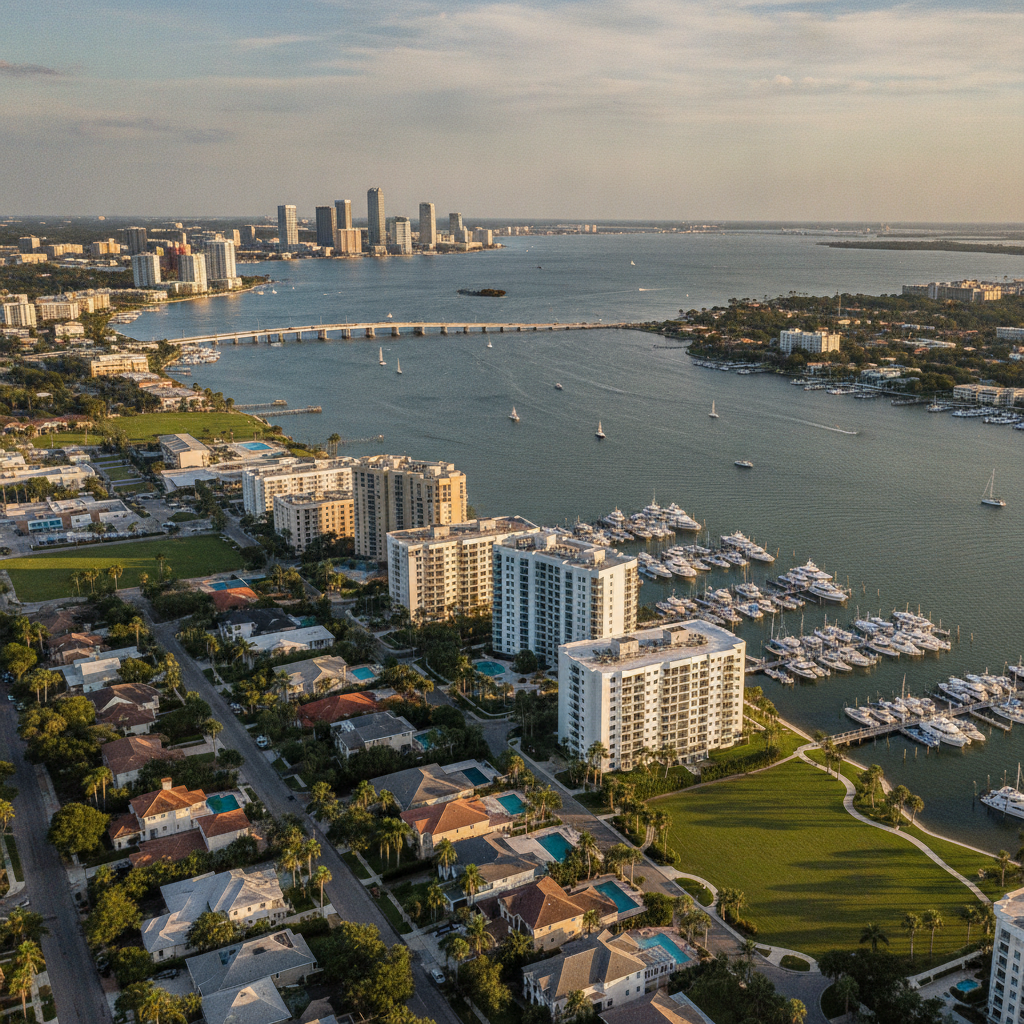
Yes — Tampa Bay generally sits between Orlando (less expensive) and Miami/South Florida (materially more expensive) on housing, while offering comparable beach access and a stronger job base per capita than most Florida metros.
Best Neighborhoods to Consider in This Moving to Tampa Bay Guide
No moving to Tampa Bay guide is complete without a neighborhood framework, because "Tampa Bay" spans dozens of distinct submarkets across Hillsborough, Pinellas, and Pasco counties. Here is how relocators typically sort them:
South Tampa
Includes Hyde Park, Palma Ceia, Bayshore Beautiful, and Westshore. Premium schools, walkable to Bayshore Boulevard, and an easy commute to downtown. Expect $700K–$2M+ for single-family. Best for professionals and families prioritizing schools and lifestyle.
St. Petersburg & Downtown St. Pete
Arts-driven, waterfront, and one of the most walkable urban cores in Florida. Condos in the $400Ks and up; historic bungalows in neighborhoods like Old Northeast command premiums. Popular with millennials and remote workers.
Riverview, Apollo Beach & Fishhawk
Southeast Hillsborough suburbs offering newer construction, master-planned amenities, and better price-per-square-foot. Ideal for families relocating for value.
Palm Harbor, Dunedin & Safety Harbor
North Pinellas communities with charming downtowns, top schools, and quick access to Honeymoon Island and Caladesi. Popular with retirees and remote-work families.
Wesley Chapel & Lutz
North of Tampa in Pasco County — rapid new-construction growth, strong schools, and lower entry prices, though commutes to downtown can exceed 40 minutes at peak.
2026 Market Trends Every Buyer and Seller Should Know
The Tampa Bay market in 2026 is best described as rebalanced but resilient. Elevated interest rates cooled the frenzy, inventory has climbed to roughly 5.5 months (near equilibrium), and homes sit on the market longer. But underlying demand from in-migration, international buyers, and investors keeps well-priced listings moving.
Several trends define the current cycle:
- Negotiation is back. Price reductions, seller credits toward rate buy-downs, and repair concessions are common again.
- Insurance dictates pricing. Homes with 2020+ roofs, impact windows, and elevation certificates outperform comparable listings.
- Condo scrutiny is high. Post-Surfside reforms mean buyers must review reserve studies and structural inspections carefully.
- Investor and international activity remain strong, particularly in St. Pete, Ybor, and beach submarkets suitable for short-term rentals.
Neither — it's a balanced market. With ~5.5 months of inventory, buyers have negotiating leverage they didn't have in 2021–2022, but well-priced, well-prepared listings still sell efficiently.
Storm Risk, Flood Zones & Insurance: The Real Homework
Any honest moving to Tampa Bay guide has to address hurricanes and flooding. The region sits on a shallow bay that amplifies storm surge, and recent seasons have reinforced why underwriting has tightened. This is not a reason to avoid Tampa Bay — millions live here safely — but it is a reason to shop intelligently.
Understand FEMA Flood Zones
Before making an offer, pull the FEMA flood map for the specific parcel. Zones AE and VE typically require flood insurance for financed purchases. Zone X properties are lower-risk and often uninsured for flood — though optional coverage is still smart.
Roof, Windows, and Wind Mitigation
A four-point inspection and wind mitigation report can swing insurance premiums by thousands per year. Homes with hip roofs, secondary water resistance, and impact-rated openings earn the largest credits.
Evacuation Zones vs. Flood Zones
These are different. Evacuation zones (A–E) are county-issued and dictate whether you leave during a storm. Many desirable neighborhoods sit in Evacuation Zone A but outside a FEMA special flood hazard area — meaning insurance is manageable, but you'll evacuate for major hurricanes.
The two most valuable line items in a Tampa Bay home inspection aren't cosmetic — they're the roof age and the wind mitigation report, because they drive both insurability and resale value.
Step-by-Step: How to Execute Your Tampa Bay Move
Use this sequence as the operational playbook inside your moving to Tampa Bay guide:
- Define your submarket shortlist. Narrow to 2–3 neighborhoods based on commute, schools, and lifestyle before house-hunting.
- Get lender pre-approval with a Florida-savvy lender. Local lenders understand insurance escrows, condo warrantability, and FHA/VA quirks specific to Florida.
- Interview a local agent early. A Tampa Bay specialist can pre-screen listings against flood zones, HOA reserves, and roof age.
- Budget insurance before you offer. Get a binder quote on any home you're serious about — before inspection.
- Tour in person when possible. Elevation, drainage, and neighborhood feel don't translate through photos.
- Negotiate concessions strategically. In 2026, rate buy-downs and closing credits often beat price reductions.
- Complete four-point + wind mitigation inspections. Non-negotiable for older homes.
- Plan the physical move. Book movers 6–8 weeks out during peak season (May–September).
- File for Homestead Exemption by March 1 of the year after you close to lock in tax savings.
Selling a Home in Tampa Bay in 2026
Sellers who read this moving to Tampa Bay guide need a different lens. In a rebalanced market, pricing precision and preparation win.
Price to the Current Comps, Not 2022
The single biggest reason listings stall is anchoring to 2022 peak comps. Look at closed sales in the last 60–90 days within your specific submarket.
Invest in the High-Leverage Items
Roof age, HVAC condition, and updated electrical panels drive both buyer confidence and appraisal outcomes. Cosmetic staging matters, but insurability matters more.
Prepare Your Insurance Story
Have your wind mitigation report, four-point inspection, and elevation certificate ready. Sellers who hand these to buyers on day one shorten negotiation cycles.
Consider Concessions Over Price Cuts
A $10,000 credit toward a buyer's rate buy-down often generates more offers than a $15,000 price reduction — and preserves your comp for the neighborhood.
Working With a Local Advisor Like Kyle Hollister
Tampa Bay is a market where boutique, advisory-style representation consistently outperforms transactional volume brokerage. The nuances — flood zones, evacuation planning, HOA reserve health, submarket appreciation patterns, insurance mitigation credits — reward agents who work fewer clients more deeply.
Kyle Hollister operates in exactly that lane: hyper-local knowledge across South Tampa, St. Petersburg, Palm Harbor, Riverview, and surrounding communities, paired with the modern marketing and communication clients expect. For buyers relocating from out of state, that means honest calls about which listings are worth flying in to see. For sellers, it means pricing and preparation that respect the current market, not a legacy narrative.
If you're evaluating a move in the next 6–18 months, the smartest first step is a conversation — not a listing search. Visit hollister-realestate.com to start with a relocation consultation tailored to your timeline and priorities.
Frequently Asked Questions
What is the best area to live in Tampa Bay for families?
South Tampa (for schools and walkability), Palm Harbor and Safety Harbor (for top-rated schools and small-town feel), and Fishhawk or Wesley Chapel (for newer master-planned communities with amenities) are the most consistently recommended family submarkets in Tampa Bay.
How much money do I need to move to Tampa Bay?
For a typical home purchase, budget 3.5%–20% down plus roughly 3%–5% in closing costs, first-year insurance premiums (often $2,500–$7,000+ depending on location and home features), and moving expenses. A realistic minimum for a $400,000 purchase is around $35,000–$50,000 liquid, plus reserves.
Is it worth moving to Tampa Bay in 2026?
For most buyers, yes. The market has rebalanced, inventory is healthier, negotiation is possible again, and long-term fundamentals (in-migration, no state income tax, job growth) remain strong. The key is buying a home with good insurability and in a submarket aligned with your lifestyle.
Do I need flood insurance in Tampa Bay?
If your home is in FEMA flood zones AE or VE and you're financing, yes — it's required. Even in Zone X (lower risk), many local advisors recommend optional flood coverage because Tampa Bay's flat topography can produce flooding outside mapped zones during major storms.
How is the Tampa Bay job market in 2026?
Diversified and growing. Anchor industries include healthcare (Tampa General, AdventHealth, BayCare), finance (Raymond James, USAA), defense (MacDill AFB and contractors), logistics (Port Tampa Bay), and a rapidly expanding tech and remote-work base, particularly in downtown Tampa and St. Petersburg.
Conclusion: Your Next Step
A move to Tampa Bay in 2026 is a genuinely strong decision for most buyers — but it rewards preparation. The market has rebalanced, insurance is the real underwriting question, and neighborhood selection matters more than headline price. Use this moving to Tampa Bay guide as your framework, but pair it with a local advisor who can pressure-test your assumptions against live inventory and current comps.
Ready to take the next step? Connect with Kyle Hollister for a personalized relocation consultation, neighborhood tour plan, or a no-pressure market analysis of the home you already own. Tampa Bay is waiting — let's make your move a smart one.