Cost of Living Tampa Bay vs Miami for Homebuyers 2026
May 28, 2026 · 13 min read
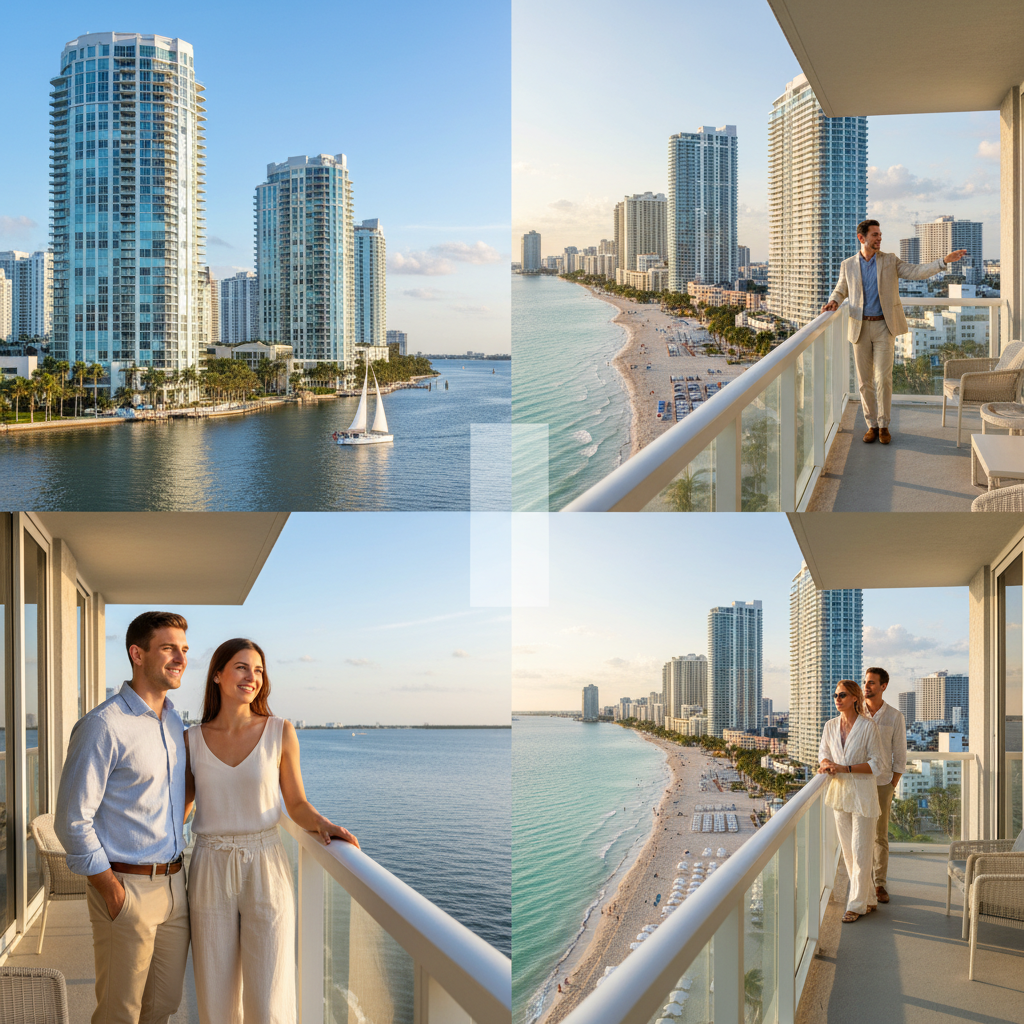
If you're weighing a move within Florida, understanding the cost of living tampa bay vs miami for homebuyers is one of the most important financial exercises you can do before making an offer. The two metros sit on opposite coasts, share the same state tax advantages, and both promise sunshine year-round — but the price tag attached to each lifestyle is dramatically different. For most buyers, Tampa Bay delivers more home, more purchasing power, and a lower monthly carrying cost than Miami, while Miami continues to command a premium driven primarily by housing demand and prestige.
TL;DR — The Bottom Line
Tampa Bay's overall cost of living runs roughly 15% to 23% lower than Miami, with the largest gap in housing. Median sale prices are about $414,000 in Tampa vs. $570,000 in Miami, and Miami rents run 30–35% higher. For most first-time buyers, move-up buyers, and investors comparing the cost of living tampa bay vs miami for homebuyers, Tampa Bay is the more affordable entry point — though Florida insurance and property taxes still need to be factored into either market.
Quick Facts
- Overall cost gap: Tampa is 15.1%–23.5% cheaper than Miami
- Median sale price: $414,000 Tampa vs. $570,000 Miami
- Average listing price: Miami homes list ~61% higher than Tampa
- Rent premium in Miami: 30.2%–34.8% higher than Tampa
- Purchasing power: 34.7% higher in Tampa than Miami (Numbeo)
- Median household income: $66,802 Tampa vs. $54,858 Miami
Why the Cost of Living Tampa Bay vs Miami for Homebuyers Matters Right Now
Florida is no longer the budget destination it was a decade ago. Statewide prices have climbed, insurance has tightened, and both Tampa Bay and Miami have absorbed waves of relocation demand from the Northeast, Midwest, and California. Yet within Florida, the gap between metros has actually widened. When buyers compare the cost of living tampa bay vs miami for homebuyers, they're really comparing two different value propositions: Tampa Bay's affordability and growth story, versus Miami's international, luxury-tilted market.
For a buyer with a fixed budget — say $500,000 — that distinction is everything. In Tampa Bay, $500,000 can land you a single-family home in a desirable suburb with a yard, garage, and quality schools. In Miami, that same budget often buys a smaller condo, frequently with HOA fees that significantly raise the true monthly cost. Understanding this trade-off is the foundation of any smart Florida home purchase.
Housing Costs: The Biggest Driver of the Tampa–Miami Gap
Housing is where the cost of living tampa bay vs miami for homebuyers diverges most sharply. According to recent market data, the median sale price in Miami sits near $570,000, compared with roughly $414,000 in Tampa Bay — a difference of more than $150,000 for an equivalent transaction. When you look at average listing prices, the gap grows further: Miami listings average around $711,131, roughly 61% higher than Tampa's average list price.
Why such a big spread? Miami's housing market is shaped by international capital, limited developable land near the coast, and a deep luxury condo sector that pulls overall pricing upward. Tampa Bay, while growing rapidly, still has more inventory across price tiers, more single-family product, and more suburban expansion room across Hillsborough, Pinellas, and Pasco counties.
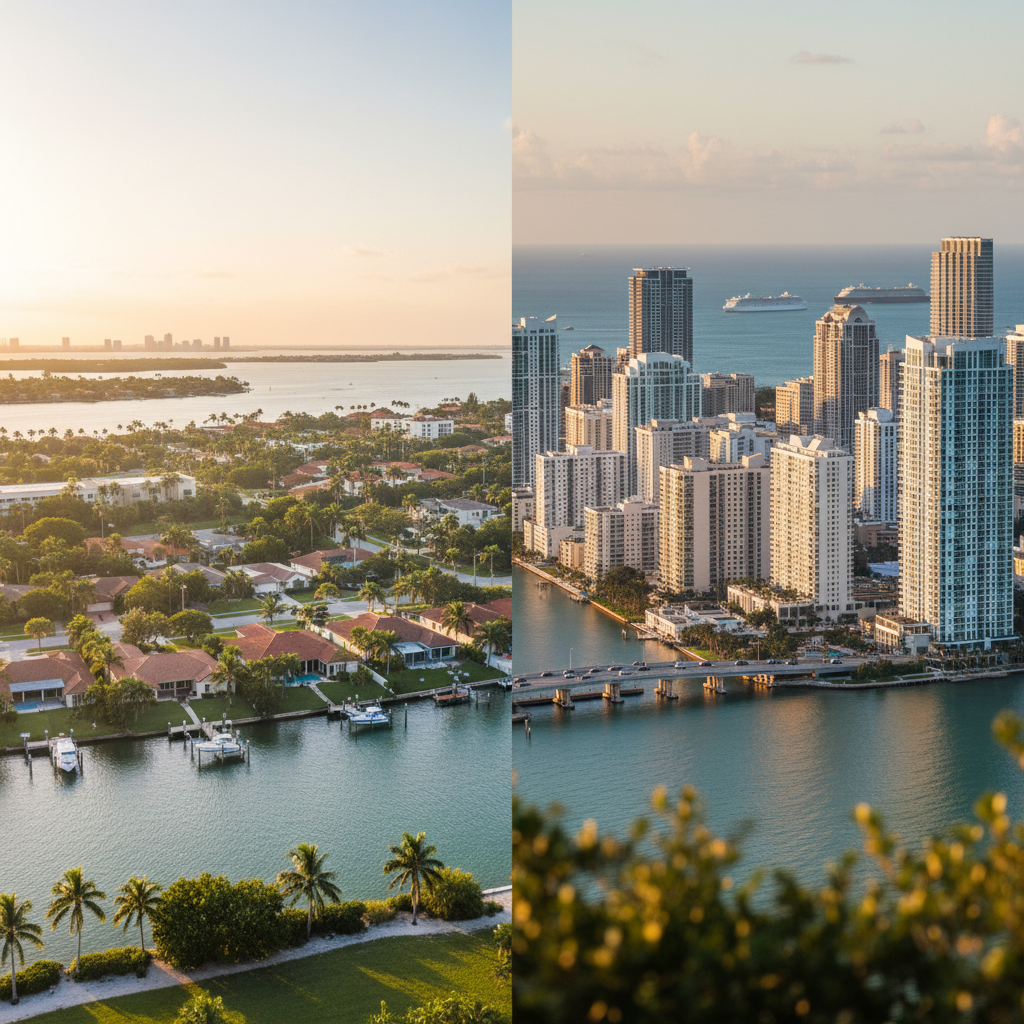
What $500,000 Buys in Each Market
- Tampa Bay: 3-bed, 2-bath single-family home in South Tampa, Seminole Heights, or St. Petersburg suburbs — often with a pool or updated kitchen.
- Miami: 1- to 2-bedroom condo in Brickell, Edgewater, or further inland; HOA fees commonly $600–$1,200/month.
That single comparison reframes the entire cost of living tampa bay vs miami for homebuyers conversation. You can browse current Tampa Bay inventory and price comparisons on the Tampa Bay listings page to see the spread in real time.
No. The gap has actually held steady or widened slightly in 2025–2026 as Miami's luxury market continues attracting international buyers while Tampa Bay maintains a broader range of mid-priced inventory.
Rent Comparison: Why It Still Matters to Buyers
Even if you're buying, rent data is a useful signal. It tells you what landlords can charge — which influences investment math — and it reflects local wage levels and demand. Across the sources, Miami rents run 30% to 35% higher than Tampa Bay rents for comparable units.
For first-time buyers transitioning from renting to owning, that rent gap matters because it influences how much you can save for a down payment. Tampa Bay renters typically have more breathing room each month, which translates into faster down payment accumulation and stronger debt-to-income ratios when applying for a mortgage. If you're early in that journey, the first-time buyer resources page walks through how to move from renter to owner in Tampa Bay specifically.
Beyond Housing: Utilities, Groceries, Transportation
Housing dominates the cost of living tampa bay vs miami for homebuyers calculation, but it's not the only factor. Here's how the other categories shake out:
Utilities
Tampa Bay generally runs slightly cheaper on utilities. Electricity costs are comparable across Florida since both metros rely on similar grid infrastructure, but Miami's older building stock and denser construction can push HVAC costs higher in summer months.
Groceries
Interestingly, some indexes show Tampa Bay groceries running marginally higher than Miami's — largely because Miami has more competitive ethnic grocery chains and bulk options. The difference is small (typically under 5%) and not enough to offset the housing gap.
Transportation
Both cities are car-dependent, but Miami's traffic congestion and parking costs are notably worse. Tampa Bay drivers spend less time commuting on average, and parking is rarely a meaningful monthly expense outside of downtown employment.
Comparison Table
| Category | Tampa Bay | Miami | Tampa Advantage |
|---|---|---|---|
| Median home sale price | $414,000 | $570,000 | ~27% lower |
| Average rent | Baseline | +30–35% | Significant |
| City cost index (vs. U.S.) | -3% | +21% | 24-point gap |
| Median household income | $66,802 | $54,858 | +$11,944 |
| Local purchasing power | Baseline | -34.7% | Substantial |
Purchasing Power: The Hidden Edge for Tampa Bay Buyers
Here's a number that often surprises buyers comparing the cost of living tampa bay vs miami for homebuyers: local purchasing power in Tampa is 34.7% higher than in Miami, according to Numbeo. That means the dollars you earn in Tampa Bay stretch substantially further across everyday categories — groceries, dining, entertainment, services, and yes, housing.
Combine that with Tampa's higher median household income ($66,802 vs. Miami's $54,858), and the affordability story compounds. Tampa Bay residents earn more on average and pay less for most things, which creates a meaningfully different lifestyle even when nominal salaries look similar on paper.
"For most Florida buyers under $700,000, Tampa Bay isn't just the cheaper option — it's the smarter financial decision. You get more square footage, lower carrying costs, and stronger purchasing power on the same paycheck."
What the Cost of Living Tampa Bay vs Miami for Homebuyers Means by Buyer Type
First-Time Buyers
For first-time buyers, Tampa Bay is almost always the more realistic entry point. Lower prices reduce the down payment required, lower monthly payments improve debt-to-income ratios, and the broader inventory of single-family homes gives buyers more options than Miami's condo-dominant entry-level market. FHA, VA, and conventional loans all stretch further in Tampa Bay.
Move-Up Buyers
If you're selling a starter home and looking for more space, Tampa Bay lets you trade up aggressively. The same equity that buys a modest 3-bedroom in Miami often delivers a 4-bedroom with a pool in Tampa Bay's better suburbs. Miami may still appeal for buyers prioritizing waterfront access, international culture, or specific career anchors.
Investors and Second-Home Buyers
Investors typically find Tampa Bay's cash-flow math easier. Lower acquisition costs, healthy rent levels, and strong population growth produce better cap rates than most Miami submarkets. Miami can still work for appreciation plays and luxury short-term rentals, but the entry premium is steep.
For remote workers without a Miami-specific career tie, Tampa Bay almost always wins on financial math. You keep the same income, drop your housing cost 25–30%, and gain purchasing power across daily expenses.
The Insurance and Tax Reality in Both Markets
Any honest discussion of the cost of living tampa bay vs miami for homebuyers has to address Florida's ownership costs beyond the mortgage. Property taxes, homeowners insurance, and flood insurance affect both markets — and they've risen sharply.
Property Taxes
Florida has no state income tax, but property taxes vary by county. Miami-Dade and Hillsborough County rates are broadly similar, though Miami's higher home values produce larger absolute tax bills.
Homeowners Insurance
Both metros face elevated insurance premiums driven by hurricane risk. Coastal properties — in either market — carry higher rates. Miami's older condo stock has additionally been hit with structural assessments and rising HOA premiums following statewide reforms.
Flood Insurance
Flood zones exist in both metros. Tampa Bay's geography includes significant low-lying coastal exposure on the Gulf side, while Miami's barrier islands and coastal neighborhoods carry similar risk. Always check flood zone designation before making an offer.
How to Compare Tampa Bay vs Miami for Your Specific Situation
- Lock down your total budget. Include down payment, closing costs, and 6 months of reserves.
- Calculate the all-in monthly payment in both metros. Mortgage, taxes, insurance, HOA — not just principal and interest.
- Compare cost-of-living indexes for your spending profile. Heavy commuters weigh transportation; families weigh groceries and schools.
- Stress-test for insurance increases. Build in a 10–15% annual insurance hike for the next 3 years.
- Match the metro to your career and lifestyle. Don't optimize for cost if a $30,000 salary bump in Miami offsets the premium.
- Run the numbers with a local expert. A Tampa Bay specialist can model real properties, not generic averages.
To go through this exercise with current Tampa Bay data and live listings, connect with Kyle Hollister directly for a personalized buyer consultation.
Frequently Asked Questions
Is Tampa Bay really cheaper than Miami for homebuyers in 2026?
Yes. Across every major cost-of-living index, Tampa Bay runs 15% to 23% cheaper than Miami overall, with housing showing the largest gap. Median home sale prices in Tampa are about $414,000 versus $570,000 in Miami, and rents are 30–35% lower in Tampa.
How much house can I get in Tampa Bay vs Miami for $500,000?
In Tampa Bay, $500,000 typically buys a 3-bedroom single-family home in a desirable neighborhood, often with a yard or pool. In Miami, the same budget usually buys a 1- to 2-bedroom condo, often with significant HOA fees that raise the effective monthly cost.
Are property taxes and insurance higher in Tampa Bay or Miami?
Property tax rates are broadly similar between Hillsborough and Miami-Dade counties, but Miami's higher home values produce larger absolute tax bills. Homeowners and flood insurance are elevated in both markets due to hurricane exposure, though Miami's aging condo stock has faced additional structural assessment costs.
Does Miami's higher income offset its higher cost of living?
No. Tampa Bay actually has a higher median household income ($66,802) than Miami ($54,858), while housing and overall costs are lower. Local purchasing power in Tampa is reported to be 34.7% higher than Miami, meaning the same paycheck stretches significantly further in Tampa Bay.
Which metro is better for real estate investors?
Tampa Bay generally offers stronger cash-flow math due to lower acquisition costs and healthy rent demand, while Miami tends to favor appreciation plays and luxury short-term rentals. For most cash-flow-focused investors, Tampa Bay's affordability produces better cap rates.
Conclusion: The Smart Buyer's Take on Tampa Bay vs Miami
When you strip away the marketing gloss and run the actual numbers, the cost of living tampa bay vs miami for homebuyers conversation lands consistently in Tampa Bay's favor. Lower home prices, lower rents, higher purchasing power, and a higher median household income create a compounding affordability advantage that's hard to ignore — especially for first-time buyers, move-up buyers, and cash-flow-focused investors.
Miami still wins on prestige, international flavor, and certain career-specific anchors. But for the vast majority of Florida buyers, Tampa Bay delivers more home, more financial flexibility, and a more sustainable monthly payment. The cost of living tampa bay vs miami for homebuyers isn't just a numbers exercise — it's a lifestyle decision with long-term financial consequences.
Ready to see what your budget can actually buy in Tampa Bay? Reach out to Kyle Hollister for a personalized market consultation, real property comparisons, and a buyer strategy built around your specific goals. Tampa Bay's affordability window is still open — but with continued migration into the metro, smart buyers are moving now rather than waiting.