Cold Plunge Water Treatment Options: Home Owner's Guide
June 22, 2026 · 13 min read
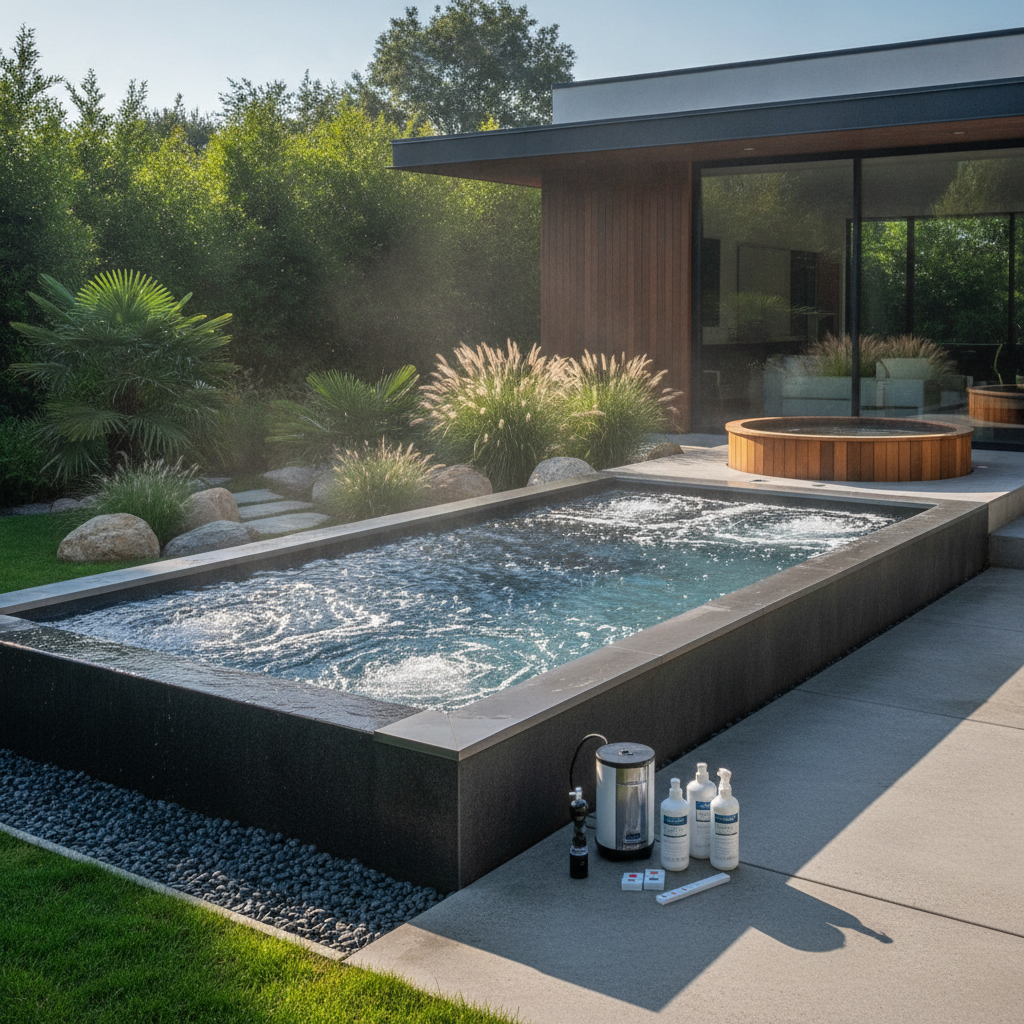
TL;DR — The Bottom Line
The best cold plunge water treatment options for home use combine mechanical filtration (cartridge filter), a primary sanitizer (chlorine or bromine), and a secondary oxidizer like UV-C or ozone. With proper treatment, you can extend water changes from every 2–3 days to every 30–90 days, dramatically reducing maintenance and water waste while keeping your plunge crystal clear and safe.
If you've invested in a home cold plunge — or are about to — water quality will make or break your daily experience. Choosing the right cold plunge water treatment options determines how often you'll need to drain and refill, how clean the water feels on your skin, and whether you'll be fighting biofilm and cloudiness every weekend. The good news: modern treatment systems borrow proven technology from the pool and spa industry, scaled down for the unique demands of 37–55°F water.
This guide walks through every major treatment approach available to homeowners in 2025, compares costs and maintenance burdens, and helps you choose the right combination for your setup — whether you own a standalone tub or use a chiller like HomePlunge to convert your existing bathtub into a cold plunge.
Quick Facts
- Ideal water temperature range: 37–55°F (3–13°C)
- Recommended pH range: 7.2–7.6
- Typical sanitizer levels: 1–3 ppm chlorine or 3–5 ppm bromine
- Drain frequency with treatment: Every 30–90 days
- Drain frequency without treatment: Every 1–3 uses
- Filter replacement interval: 3–6 months for cartridge filters
Why Cold Plunge Water Treatment Options Matter
Cold water doesn't sterilize itself. While bacteria reproduce more slowly at 40°F than at 100°F, they don't stop — and biofilm (the slimy film you feel on tub walls) thrives in untreated water regardless of temperature. Every plunge introduces skin oils, sweat, hair, dead skin cells, and environmental contaminants. Without proper cold plunge water treatment options, you're effectively bathing in an accumulating soup of organic matter.
Beyond hygiene, untreated water damages equipment. Chillers, pumps, and metal fittings corrode faster when pH drifts. Biofilm clogs filters and reduces circulation efficiency. And from a practical standpoint, draining a 100-gallon tub every two days is wasteful, expensive, and time-consuming.
The goal of any treatment system is straightforward: keep the water clear, sanitary, and chemically balanced for as long as possible between full water changes.
The Core Components of Any Treatment System
Whether you're using a $1,800 chiller or a $15,000 luxury tub, effective cold plunge water treatment options rely on four overlapping layers. Understanding each layer helps you decide where to invest.
1. Mechanical Filtration
The first line of defense is a physical filter — almost always a cartridge filter in home cold plunges. The filter traps hair, skin flakes, lint, and visible debris. Most home systems use a 20–50 micron cartridge that should be rinsed weekly and replaced every 3–6 months.
2. Primary Sanitizer
A residual chemical sanitizer kills bacteria and viruses on contact. The two dominant choices are chlorine and bromine, each with distinct trade-offs covered in detail below.
3. Secondary Oxidation
UV-C light or ozone gas attacks organic contaminants the sanitizer can't efficiently handle, dramatically reducing the chemical load required to maintain clear water.
4. Water Balance Chemistry
pH, total alkalinity, and calcium hardness must stay within range for sanitizers to work and equipment to survive. Test strips and small monthly adjustments are non-negotiable.
Comparing the Main Cold Plunge Water Treatment Options
Here's a structured comparison of the six approaches most home owners consider:
| Strategy | Upfront Cost | Ongoing Cost | Maintenance | Best For |
|---|---|---|---|---|
| Raw water + frequent draining | $0 | High (water bill) | Very high | Occasional weekly users |
| Chlorine + cartridge filter | $50–150 | $10–20/month | Moderate | Daily users on a budget |
| Bromine + cartridge filter | $75–175 | $15–30/month | Moderate | Chlorine-sensitive users |
| Chlorine/bromine + UV-C | $300–600 add-on | $15–25/month | Low | Wellness-focused homes |
| Chlorine/bromine + ozone | $400–900 add-on | $10–20/month | Low | Low-maintenance premium setups |
| Hydrogen peroxide / enzyme | $50–200 | $25–50/month | Moderate-high | Chemical-averse users (with caveats) |
Only if you're willing to drain and refill every 1–3 uses. Even solo users introduce enough organic matter that biofilm forms within 48–72 hours, especially in tubs without continuous filtration.
Chlorine vs. Bromine: Which Sanitizer Wins for Cold Plunges?
This is the most common question among new owners exploring cold plunge water treatment options. Both chemicals work, but they behave differently in cold water.
Chlorine
Chlorine is the default sanitizer worldwide for good reason: it's cheap, fast-acting, and well-understood. In a cold plunge, you'll typically maintain a free chlorine level of 1–3 ppm using dichlor granules or a slow-release tablet feeder.
Pros: Inexpensive ($10/month), fast kill rates, easy to test, widely available.
Cons: Some users find the smell off-putting; effectiveness drops sharply above pH 7.8; can dry skin with daily exposure.
Bromine
Bromine remains stable across a wider pH range (7.0–7.8) and produces fewer of the irritating chloramine byproducts associated with that classic "pool smell." Many spa users prefer it for daily-use vessels.
Pros: Gentler on skin and eyes, stable in fluctuating pH, less odor.
Cons: 50–100% more expensive than chlorine; slower initial kill rate; harder to find in some regions.
UV-C and Ozone: The Secondary Oxidizers Worth Considering
If you want the lowest-maintenance setup possible, adding a secondary oxidizer is the single biggest upgrade you can make. Both UV-C and ozone work by destroying contaminants before they consume your primary sanitizer, meaning you use less chlorine or bromine and the water feels noticeably cleaner.
UV-C Sanitation
A UV-C unit installs inline with your circulation pump. Water passes a low-pressure mercury lamp emitting 254nm ultraviolet light, which destroys the DNA of bacteria, viruses, and algae. UV doesn't leave a residual, so it must be paired with chlorine or bromine — but it can reduce required sanitizer levels by 30–50%.
Expect to replace the UV bulb every 9–12 months (~$60–120) and clean the quartz sleeve quarterly.
Ozone Generation
Ozone (O₃) is generated on-demand by a corona discharge or UV ozone generator and injected into the circulation line. It's a far stronger oxidizer than chlorine and breaks down rapidly into oxygen, leaving no residue. The trade-off is more complex hardware and the need to vent off-gas safely above the water line.
For homeowners using a chiller-based system like the HomePlunge H3, integrated filtration combined with an add-on UV unit typically delivers the best balance of clarity and minimal chemical use.
How to Build a Complete Treatment Routine: Step-by-Step
Here's a practical workflow combining the best cold plunge water treatment options into a sustainable weekly routine.
- Fill with clean tap water. If your municipal water is heavily chlorinated, let it sit 24 hours or use a pre-filter to reduce metals and organics.
- Test and balance baseline chemistry. Target pH 7.2–7.6 and total alkalinity 80–120 ppm before adding sanitizer.
- Add your primary sanitizer. Dose chlorine to 2 ppm or bromine to 4 ppm. Use a floating dispenser for slow continuous release.
- Run circulation and filtration daily. A minimum of 2–4 hours of filter runtime per day is essential. Many integrated chillers handle this automatically.
- Test water 2x per week. Use 6-way test strips to monitor sanitizer, pH, alkalinity, and hardness. Adjust as needed.
- Shock weekly. Add a non-chlorine shock (potassium monopersulfate) after heavy use or weekly to oxidize accumulated organics.
- Rinse the filter cartridge weekly. Spray with a hose; deep-clean monthly with filter cleaner.
- Drain and refill every 30–90 days. Frequency depends on bather load and whether you have UV/ozone.
With proper filtration and sanitation, most 1–2 person households drain every 60–90 days. Heavy use (3+ daily plungers) or no secondary oxidation shortens that to 30–45 days. The water test, not the calendar, is the final authority.
Matching Treatment Options to Your Setup
Not every system needs every layer. Here's how to match cold plunge water treatment options to your specific situation:
Standalone Tubs with Built-In Filtration
Most premium standalone tubs ship with integrated cartridge filtration and circulation. Add a sanitizer regimen (chlorine or bromine) and optionally a UV add-on. This is the most common setup.
Bathtub Conversion Systems
If you use a chiller like the HomePlunge Bella to cool your existing bathtub, the chiller handles circulation and basic filtration. Add a small floating bromine dispenser and weekly test strips, and you've matched the treatment performance of standalone tubs at a fraction of the cost and footprint.
Inflatable or Portable Tubs
Budget tubs without circulation pumps are the toughest to keep clean. Either commit to draining frequently or add an external filtration loop. Honestly, for daily use, upgrading to a system with circulation is the smarter long-term play.
Cost Breakdown: What You'll Actually Spend
Here's a realistic annual operating cost for the three most popular cold plunge water treatment options in a 1–2 person household:
- Chlorine + filter only: ~$120–250/year in chemicals, plus $40–80 in replacement cartridges.
- Bromine + filter + UV: ~$200–350/year in chemicals and UV bulb replacement, plus cartridges.
- Bromine + filter + ozone: ~$150–300/year in chemicals, with ozone generator lasting 3–5 years before service.
Compare that to the cost of draining a 100-gallon tub every 2 days: roughly 18,000 gallons per year, plus the electricity cost of cooling fresh water from ~60°F to 40°F repeatedly. Treatment pays for itself within weeks.
"The best cold plunge water treatment options aren't about adding more chemicals — they're about adding the right layers so you can use fewer chemicals and still drain the tub four times a year instead of forty."
Common Mistakes to Avoid
Even owners who research cold plunge water treatment options carefully tend to make the same errors:
- Skipping pH testing. Sanitizer won't work outside the 7.2–7.6 range. This is the #1 cause of cloudy water.
- Over-dosing chlorine. More is not better. High chlorine levels degrade rubber seals and irritate skin.
- Mixing chlorine and bromine carelessly. They can coexist, but never use chlorine tablets in a bromine system without converting properly.
- Ignoring the filter. A clogged cartridge dramatically reduces sanitizer effectiveness because water isn't actually circulating through it.
- Treating cold plunges like swimming pools. The dose-to-volume ratios are very different. Always follow product instructions scaled for small spas.
Frequently Asked Questions
What is the best cold plunge water treatment option for daily home use?
For most homeowners using their plunge daily, a combination of cartridge filtration, bromine sanitizer (3–5 ppm), and an inline UV-C unit offers the best balance of low maintenance, skin comfort, and minimal chemical exposure. This setup typically extends water changes to 60–90 days.
How often should I change the water in my cold plunge?
With proper filtration and sanitation, every 30–90 days is normal. Without treatment, you'll need to drain every 1–3 uses. Test water weekly and drain when you can no longer maintain clear, balanced chemistry.
Can I use a cold plunge without any chemicals?
Yes, but only if you're willing to drain and refill frequently (every 1–3 uses) or use a hydrogen peroxide/enzyme system with rigorous testing. For most daily users, chemical-free is impractical and risks bacterial contamination.
Is bromine or chlorine better for a cold plunge?
Bromine is generally preferred for cold plunges used daily because it's gentler on skin, more stable across pH ranges, and produces less odor. Chlorine is cheaper and effective but can be harsher with frequent exposure.
Do UV-C and ozone systems replace chemical sanitizers?
No. UV-C and ozone are supplemental — they reduce the chemical load by 30–50% but don't provide a lasting residual. You still need chlorine or bromine to sanitize water between users, but at much lower concentrations.
Final Thoughts and Next Steps
The right cold plunge water treatment options transform cold therapy from a high-maintenance hobby into a genuinely convenient daily ritual. Whether you choose a simple chlorine-and-filter setup or invest in a UV/ozone-enhanced system, the principles remain the same: filter mechanically, sanitize chemically, oxidize secondarily, and balance the chemistry weekly.
For homeowners who want premium cold therapy without dedicating a room to a standalone tub, a bathtub-conversion chiller is an elegant solution. Explore the HomePlunge product lineup to see how the Bella and H3 models deliver temperature-controlled cold plunges down to 37°F using your existing bathtub — paired with the treatment strategies above for water that stays clear, safe, and ready to plunge every day.
Start simple, test often, and upgrade your treatment layers as your routine evolves. Your skin, your equipment, and your water bill will thank you.